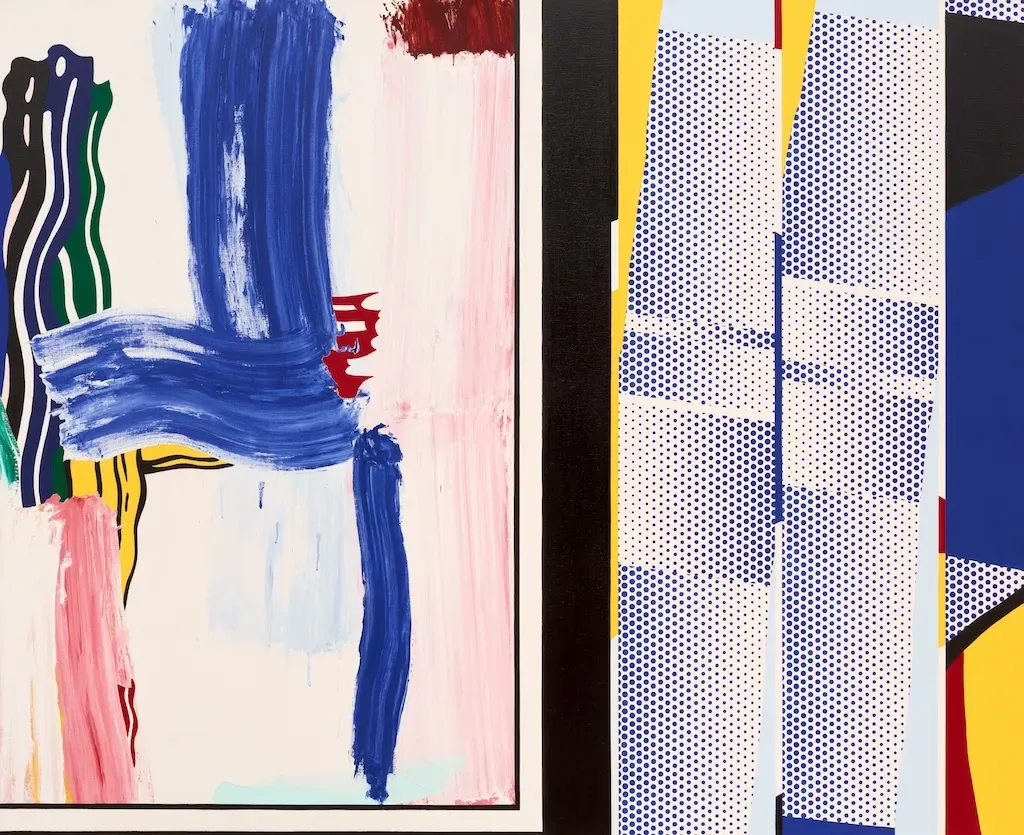

Arnulf Rainer spent seven decades doing something that sounds like destruction but felt like prayer: layering thick, gestural strokes of paint over existing images until the original nearly disappeared. The Austrian artist, who died December 18 at his home in Austria, turned this technique — which he called "Übermalungen," or overpaintings — into a radical act of creation.
Born in Baden in 1929, Rainer began the practice in 1952, initially covering his own work and later that of other artists. "The organic act of creating is perhaps more essential than the completed painting," he once said, and his work proved it. What emerged from beneath those layers of pigment wasn't chaos but something closer to archaeology — a visual record of thinking, erasing, and thinking again.
The Weight of History
Rainer's paintings carried the weight of the postwar moment. His 1951 portfolio "Perspectives of Destruction" catalogued Hiroshima, the Holocaust, and the ruins of war. Rather than document these losses directly, he transformed them into abstract surfaces — black, matte, glossy paint accumulating like sediment. Art historian Helmut Friedel described the result as a "painterly skin in which history is safely stored."
We're a new kind of news feed.
Regular news is designed to drain you. We're a non-profit built to restore you. Every story we publish is scored for impact, progress, and hope.
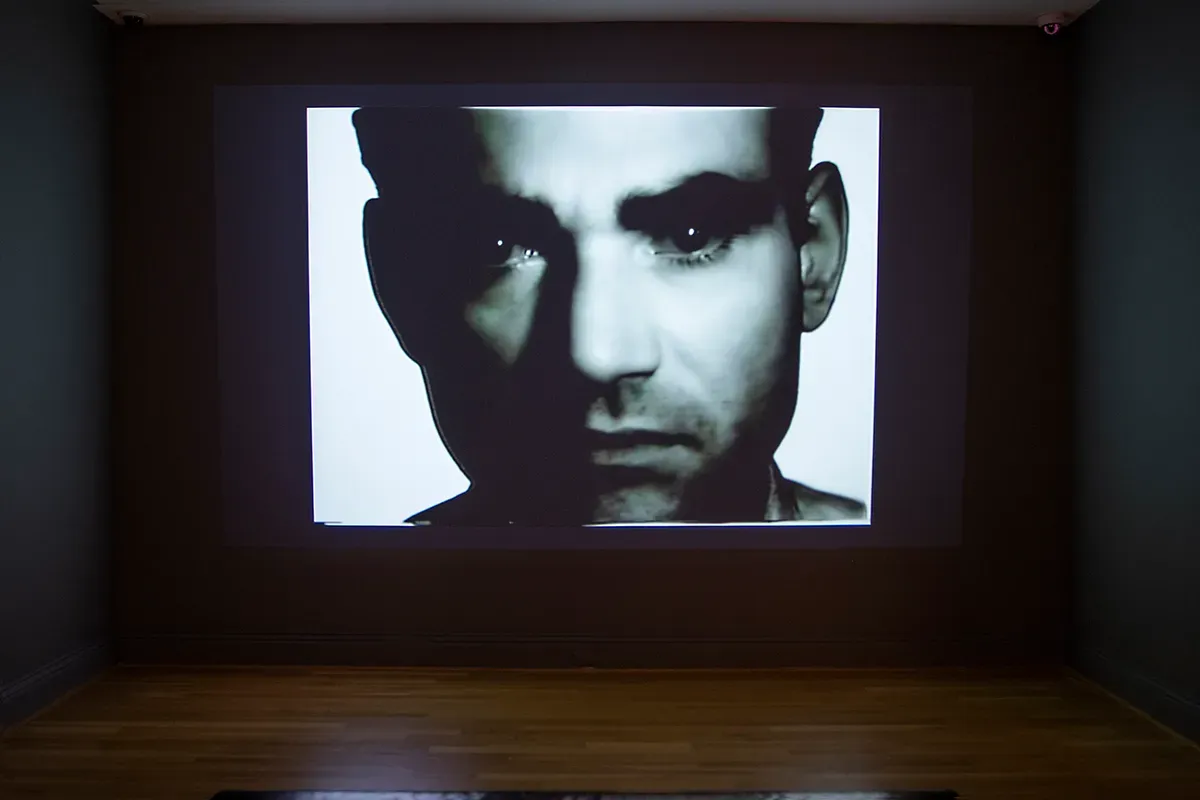
Start Your News DetoxIn the 1950s and '60s, Rainer turned to his own face and body, creating what he called "blind drawings" and "Face Farces" — overpainted photographs of himself where gesture complicated representation. The work wasn't narcissistic; it was an excavation. Each layer of paint asked: who am I beneath the image I project.
Though he wasn't formally part of Vienna's Actionist movement, Rainer's relentless physicality influenced its early practitioners. His work proved that abstraction could be deeply personal, that erasure could be an act of meaning-making.
Recognition and Legacy
By the late 1960s, major institutions caught up. A 1968 survey at Vienna's Museum des 20. Jahrhunderts marked the beginning of wider recognition. Rainer represented Austria at the 1978 Venice Biennale that same year he won the Grand Austrian State Prize. Retrospectives followed at the Guggenheim in New York, Centre Pompidou in Paris, and the Nationalgalerie in Berlin. He taught at Vienna's Academy of Fine Arts from 1981 to 1995, shaping a generation of artists.
In 2024, his hometown opened the Arnulf Rainer Museum and celebrated his 95th birthday with a monographic exhibition. His work now sits in dozens of major collections worldwide — evidence that what looked like destruction, when done with intention and depth, becomes something that endures.