Grand Canyon hikers discover new strength with an AI boost.
Hiking with POTS and Ehlers-Danlos syndrome means my heart rate spikes to 150+ and joints are loose. The Hypershell X Ultra exoskeleton, under 5 lbs with AI assist, could be a game-changer.
Problems get solved every day. Here's how.
Verified positive technology news: breakthroughs in AI, clean energy, space exploration, and startups solving real-world problems for a brighter future.
654 stories
Positive innovation news highlights the inventions, startups, and engineering feats making life measurably better. From AI tools that accelerate drug discovery to renewable energy systems powering entire cities, these stories show human ingenuity at its most impactful.
The best technology stories aren't about hype — they're about results. Every week, researchers publish breakthroughs in clean energy, materials science, and medical devices that rarely make mainstream headlines. Brightcast surfaces these advances so you see the full picture of technological progress.
We verify every story against its original source and score it using our Brightcast Intelligence System. The result is a curated feed of innovation news you can trust — no clickbait, no doom, just real progress worth knowing about.


Hiking with POTS and Ehlers-Danlos syndrome means my heart rate spikes to 150+ and joints are loose. The Hypershell X Ultra exoskeleton, under 5 lbs with AI assist, could be a game-changer.

Imagine a house spanning a 100-foot gorge, bridging two landmasses over 30-ft streams. Wallmakers' Bridge House in Karjat, India, masterfully combines mud, steel, and thatch for a stunning four-bedroom home.

This new bacterial cellulose technique creates strong, multifunctional materials. It could replace plastics.

Your next t-shirt could be made by a robot, not overseas. New machines might bring clothing manufacturing back to the West, shifting production closer to home.

Robots learning lab procedures from humans? Argonne National Lab's AI-powered RoSA project is developing robotic assistants to automate complex scientific experiments, working alongside researchers.
Join 50,000+ readers who receive our daily digest of the most uplifting stories from around the world.

Scientists at Monash University in Australia have developed ultra-thin membranes that enable hydrogen fuel cells to operate at 482 °F (250 °C). This allows membranes to operate without water, removing a major bottleneck to the use of fuel cells and enabling rapid, large-scale deployment of these cle...

Your Google account holds your life: home address, work emails, family photos, chats. Keep it private. Google's Security Checkup tool helps you quickly audit and protect your data.

Focused storytelling drives engagement, sparking meaningful conversations. This Global Voices' "Human Perspectives on AI" post explores AI's impact in global majority countries.

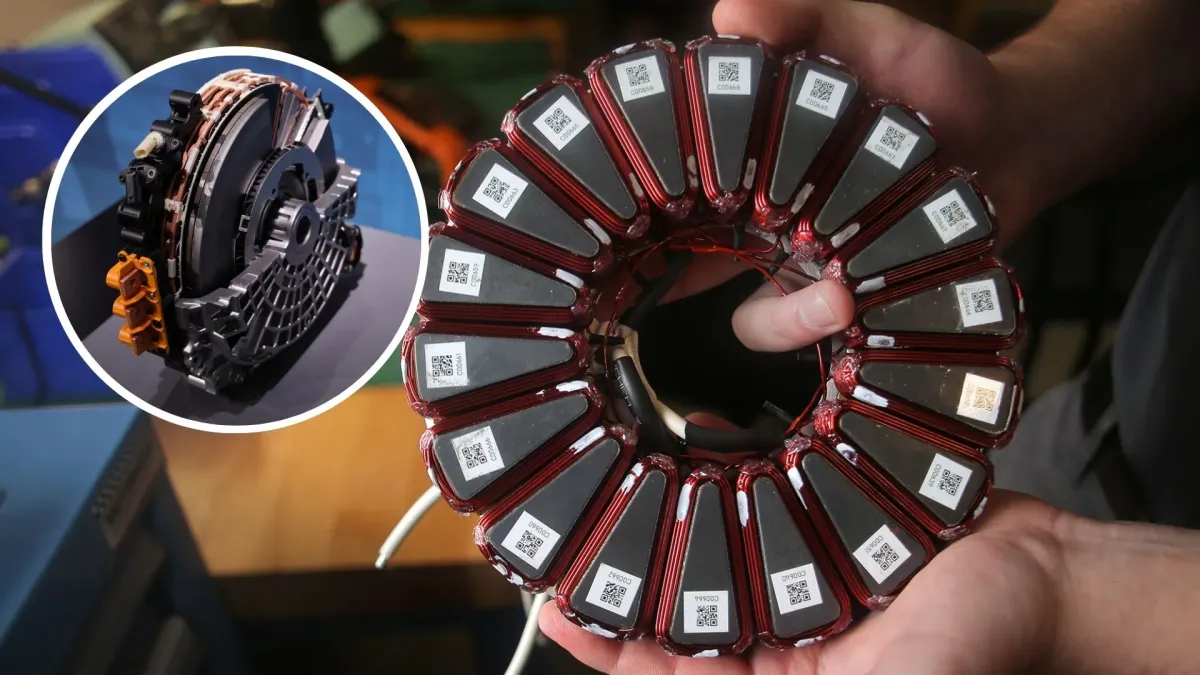
Honda believes electric motorcycles should feel like gas bikes. Is replicating old-school vibes the future of EVs, or a weird measure for weird times?

Orchid breeders guard their hi-tech secrets. Why? It takes a decade to bring a new orchid to market, making their methods incredibly lucrative.
Brightcast is dedicated to restoring faith in humanity by highlighting the progress, solutions, and kindness that often go unnoticed. We believe in a balanced worldview.
Read our full mission →
Zoo Atlanta's four African elephants are loving their new wall! It's packed with treat puzzles and sounds, keeping their intelligent brains stimulated and their days exciting.

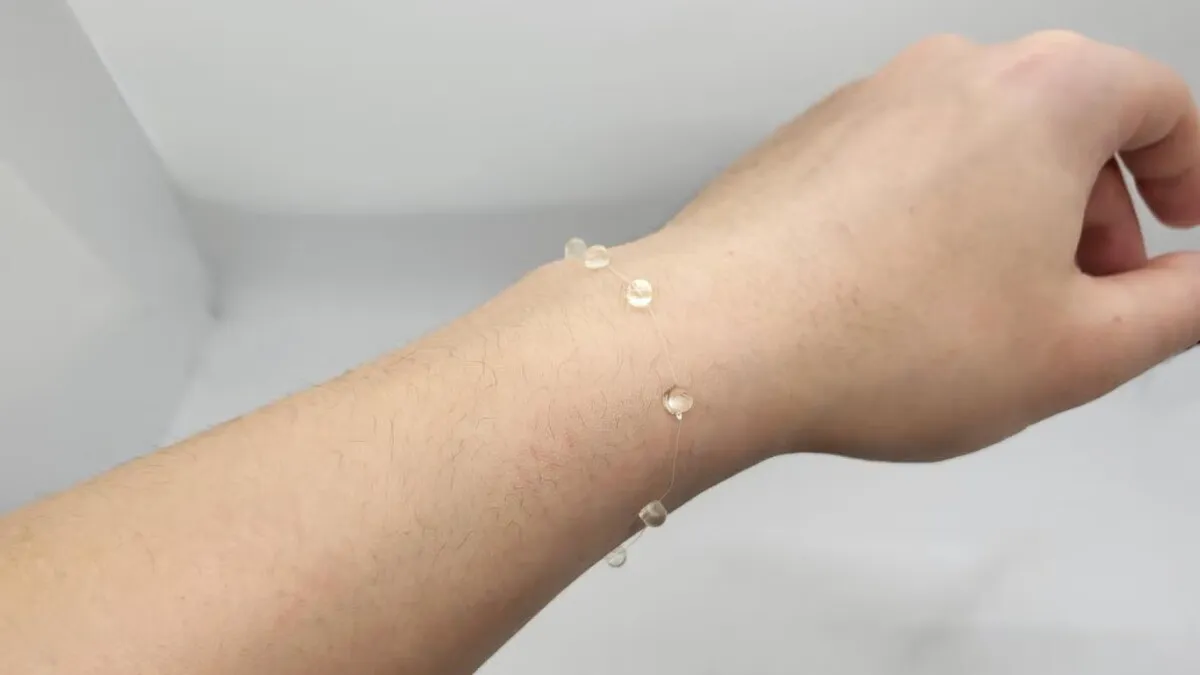
Wireless rings read 100 signs from two languages, even "autocompleting" sentences. This tech echoes William Hoy, MLB's most prominent deaf player, who taught his team ASL to dominate games over a century ago.

Archer Aviation's CEO envisions air taxis as a daily commute reality for 500,000 people in major cities.

Underwater sensors could soon power themselves! Michigan Tech is developing microbial fuel cells that generate electricity from seawater's organic matter, extending submerged missions.

AI's insatiable demand for computing power is pushing data centers to the high seas. One startup just raised $140M to build floating, wave-powered server farms, cooled by seawater and networked by satellite.
Know someone who needs a boost? Share Brightcast with your friends and family.

Figure's humanoid robots just cleaned a bedroom, coordinating tasks like hanging coats and making a bed in under two minutes. Watch two robots organize a minimalist room in their latest video.

Hanoi is tearing down fences at four major parks, including Cầu Giấy and Thống Nhất. This move integrates green spaces directly into city life, making them more accessible and boosting daily usage.
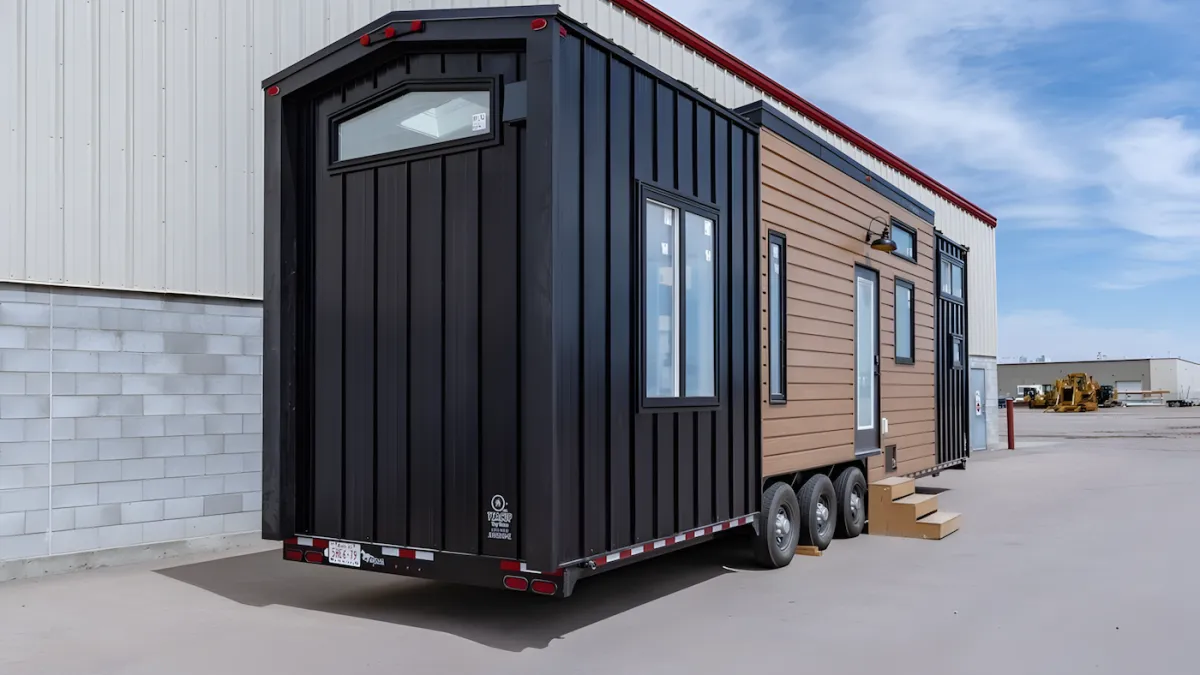
Forget cramped tiny living! This extra-wide, single-floor tiny house offers a spacious interior, two bedrooms, and a generous living area—perfect for couples or small families.

A motorcycle over half a million dollars? Rare. One with a 3.5-liter Ferrari F355 V8 engine? Even rarer.

Tiny memory devices just got better! Researchers created a new tech that improves as it shrinks, promising longer battery life and more energy-efficient devices.
Download the Brightcast app for a better reading experience, daily notifications, and offline access.
Download App
Forget wind and solar! Over a million US homes already host a tiny, furry power source. YouTuber Flamethrower shows how hamsters can turn wheels into miniature turbines, generating clean energy.

Audi's new V16, multi-million-dollar mid-engined supercar is here. But it looks less like a sleek machine and more like a Batmobile cobbled together by a backwoods mechanic from aircraft scraps.

San José slashed translation costs by 80% and boosted public meeting participation. The city clerk credits a new service for these dramatic improvements.

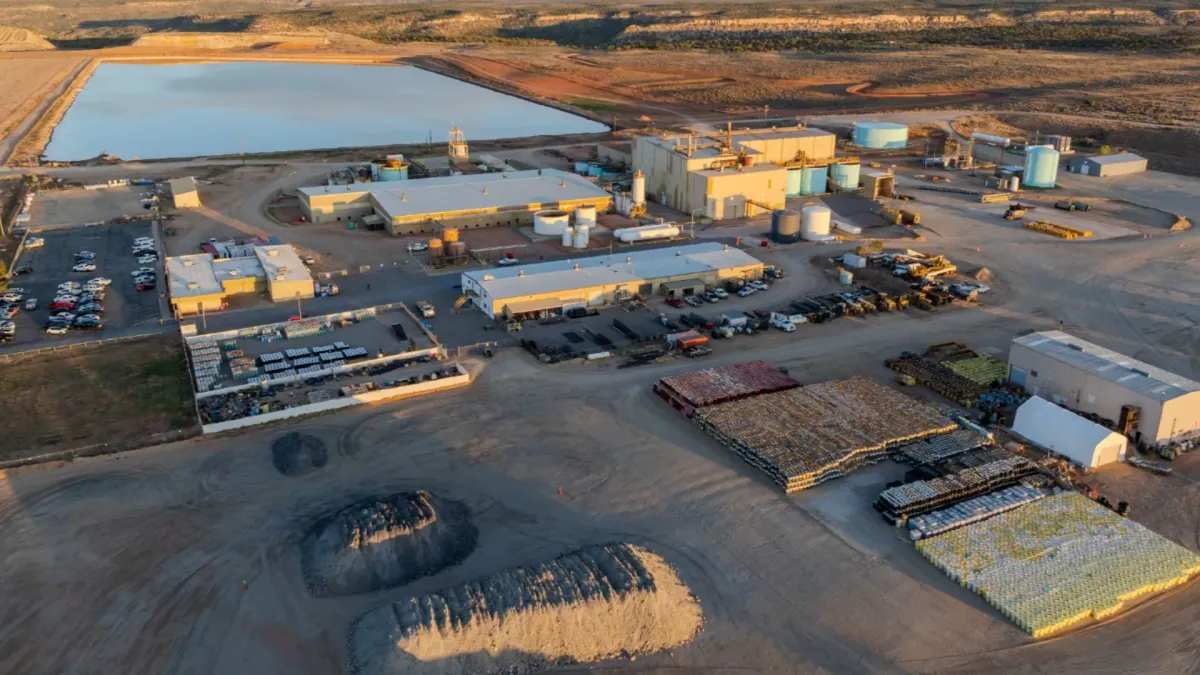
TotalEnergies is building Pangea 5, a new supercomputer, to boost AI and seismic imaging for energy exploration. Launching in 2027, it will multiply their computing power sixfold.

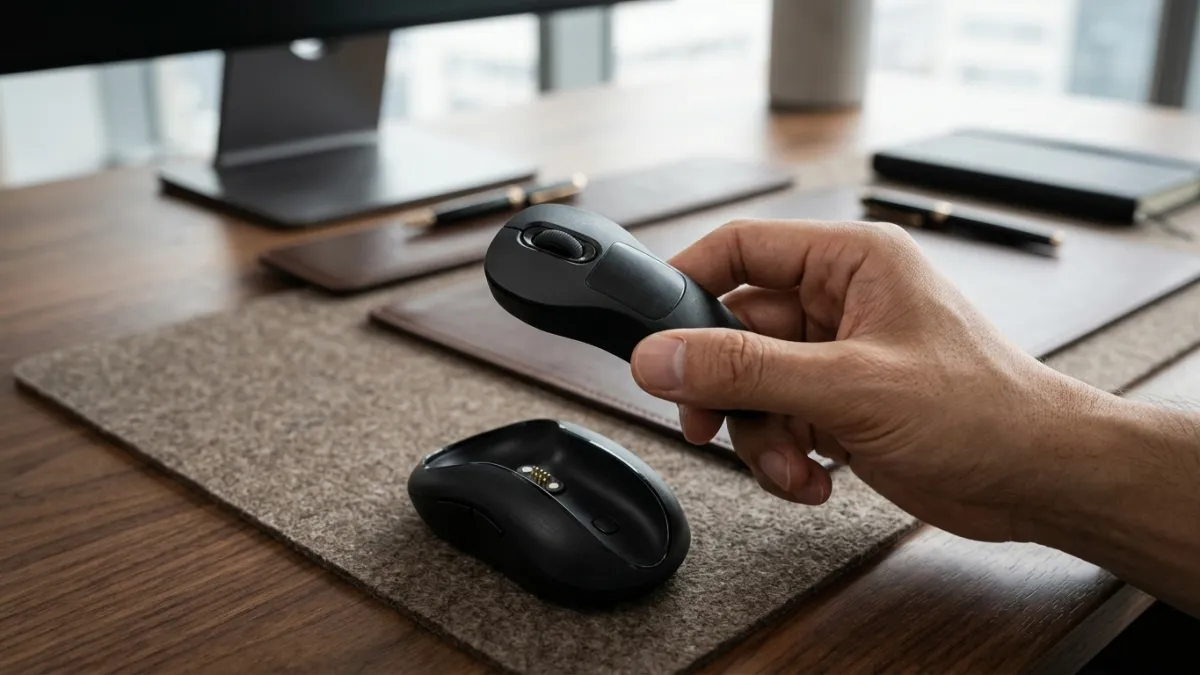
Tired of traditional mice? Engineers have crafted pen, flat, and ring alternatives for years. Now, NextAxis Design introduces Ovo, an egg-shaped mouse, available on Kickstarter.
Join 50,000+ readers who receive our daily digest of the most uplifting stories from around the world.

A humanoid robot named Gabi just became a monk in South Korea, promising to obey humans, save energy, and treat other robots peacefully.

MIT researchers just unveiled a silicon-photonics chip breakthrough. It promises smaller, tougher, more accurate lidar by solving a key weakness: narrow field-of-view from optical antenna interference.

LG's new UltraGear evo GM9 monitor combines a 5K panel with Hyper Mini LED tech. Expect brighter, sharper, and faster high-end visuals for gaming.

MIT Media Lab buzzed on April 15! 200+ gathered for the 25th IDEAS Showcase, celebrating the PKG Center's incubator that's launched hundreds of global social ventures since 2001.

UC San Diego engineers designed a new chip to slash data center energy use. It radically improves power delivery to GPUs, boosting efficiency.
Brightcast is dedicated to restoring faith in humanity by highlighting the progress, solutions, and kindness that often go unnoticed. We believe in a balanced worldview.
Read our full mission →
Dreaming of a tiny house? If you prioritize a stationary, practical home for long-term living over hitting the road, the Samuel might be your perfect fit.

Urban photographers, tired of uneven terrain? Silence Corner's Viperpod is your answer. This hybrid tripod hangs anywhere in seconds for unencumbered solo shooting.

A humanoid robot named Gabi just made history in South Korea! Standing 130cm tall in robes, it became the first non-human to join a Buddhist initiation ceremony at Seoul’s Jogyesa Temple.

Blue Energy and GE Vernova plan a 2.5 GW hybrid nuclear-gas power plant. It promises faster electricity delivery than traditional nuclear, meeting surging AI and manufacturing demand.

Forget C-3PO. Hyper-realistic humanoid robots are here. You can now build a computer model that imitates Luke Skywalker's droid, complete with a voice generator and text input for conversation.
Know someone who needs a boost? Share Brightcast with your friends and family.

Born in 1990s Ericsson labs in Lund, Sweden, Bluetooth launched in 1999, becoming a wireless standard. Named after King Harald Bluetooth, it unites devices just as he united Denmark and Norway.

Poseidon's seen it all, from wooden boats to cruise ships. Now, imagine his shock as electric boats recharge mid-ocean, thanks to a new offshore charging system.

Orbiting Earth, a few centimeters separate mission success from disaster. Spacecraft docking once took months of data crunching; now it takes seconds. Flexcompute, Northrop Grumman, and NVIDIA made it happen.

Titanium driver faces dominated golf for 30+ years. Callaway's new Quantum drivers fuse titanium with carbon fiber using a "military-grade" polymer, creating the Tri-Force Face for enhanced performance.

Waste sorting just got a high-tech upgrade. Humanoid robots are joining the automation revolution, stepping in as waste firms struggle to find staff.
Positive innovation news covers technological breakthroughs, scientific discoveries, and engineering achievements that improve people's lives — from clean energy to AI-assisted healthcare to space exploration milestones.
Technology headlines often focus on risks and disruption. Positive tech news shows the full picture: the inventors, researchers, and startups using technology to solve real problems like climate change, disease, and inequality.