You know that feeling when you finally get around to fixing a leaky faucet, only to discover the entire wall behind it is now a swamp? Historic buildings across the country are facing a similar, albeit much grander, version of that problem.
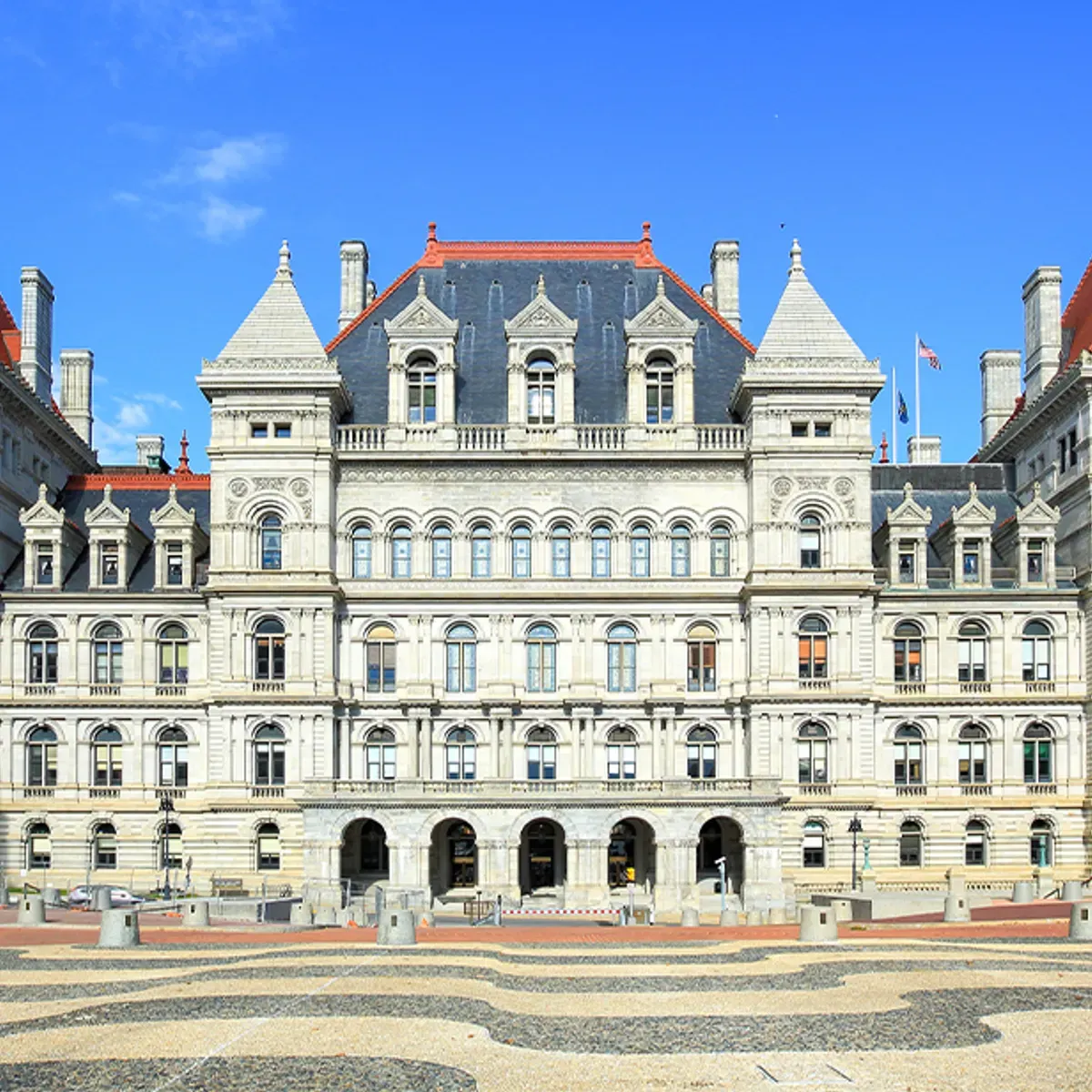
Turns out, those grand old state capitols and courthouses, which we all assume will just… be there… forever, are actually battling the elements with outdated armor. And the elements? They've definitely leveled up. These aren't just cultural treasures; they're massive public investments that are far too expensive to replace. So, the smart money is on making them last.
The challenge is real: old materials, persistent water intrusion, and decades of deferred maintenance are taking their toll. These structures weren't designed for today's environmental extremes, and their original solutions have, shall we say, expired. It's a preservation nightmare wrapped in an infrastructure crisis.
We're a new kind of news feed.
Regular news is designed to drain you. We're a non-profit built to restore you. Every story we publish is scored for impact, progress, and hope.
Start Your News DetoxOften, the first line of defense is, predictably, the exterior — roofs, walls, and foundations. These are the front-line soldiers against the weather, and they need specialized solutions to keep the fort standing. Companies like Siplast are now working with preservation experts to bring these venerable structures into the 21st century.
The Relentless Drip: Water vs. History
Water is the archenemy of old buildings. Unchecked moisture leads to erosion, rust, rot, and structural damage. What starts as a tiny drip can quickly escalate into a full-blown architectural emergency. Managing that moisture on roofs and exteriors is absolutely critical for the long-term survival of these places.
Take Fallingwater, Frank Lloyd Wright's iconic house in rural Pennsylvania. Built in 1937, quite literally over a waterfall, it was a marvel of integration with nature. Which also meant it spent decades battling nature's most persistent force: water.
Its famous terraces, those graceful concrete cantilevers, stone walls, and sometimes less-than-ideal drainage, allowed water to sneak into windows, doors, and interior finishes. In a house designed to be one with its landscape, any waterproofing solution had to be virtually invisible. During a major restoration, the Western Pennsylvania Conservancy called in Architectural Preservation Studio, DPC. They tapped Siplast products to tackle the complex roofing and waterproofing issues. The team deployed advanced membranes and flashing systems, fixing long-standing leaks while adhering to the strictest preservation guidelines. Because you can't just slap a tarp on a national treasure.
Fallingwater perfectly illustrates the modern paradox: historic buildings desperately need modern solutions, but those solutions must respect and blend seamlessly with very specific design and preservation needs.
Keeping the Lights On (Literally) During a Fix
It's not just world-famous landmarks that need this kind of attention. Local governments grapple with similar issues in everyday civic buildings. The kind where people are, you know, trying to work.
In Charlotte, North Carolina, the Mecklenburg County District Attorney's Office — originally the Mecklenburg County Courthouse, built in 1928 — was springing leaks all over the place. But it's still an active civic facility, so construction couldn't halt justice. The old roof was a patchwork quilt of different deck types, ages, and conditions. Siplast teamed up with REI Engineers and Interstate Roofing to devise a hybrid roofing solution that could handle the glorious mishmash. They even used low-VOC materials to minimize disruption for the folks inside. Because nobody wants their day prosecuting cases to be interrupted by the smell of hot tar.
For city facility managers, this is a familiar tale: upgrades often have to happen while the building is still fully operational. Success hinges on precise execution and minimal impact on employees, residents, and public services. Keeping a civic building looking good, running smoothly, and lasting longer is the ultimate public stewardship.
Preservation as Infrastructure: A New Old Idea
These projects offer a clear takeaway for cities and public agencies: preserving old buildings isn't just about culture; it's a fundamental infrastructure decision. These structures are long-term public investments. Protecting them proactively costs a whole lot less than replacing what's lost to neglect. In fact, the most sustainable building is often the one already standing.
This means city leaders need to start viewing building exteriors as critical infrastructure. Prioritize inspections, bake preservation goals into long-term plans, and bring in technical partners early — before the first drop hits the DA's desk.
As communities continue to invest in their historic assets, the future of preservation won't be about choosing between old and new. It'll be about finding the right partners to make both work together. Sometimes, the smartest infrastructure investment isn't a shiny new building. It's the system that allows an irreplaceable one to stand tall for another century.