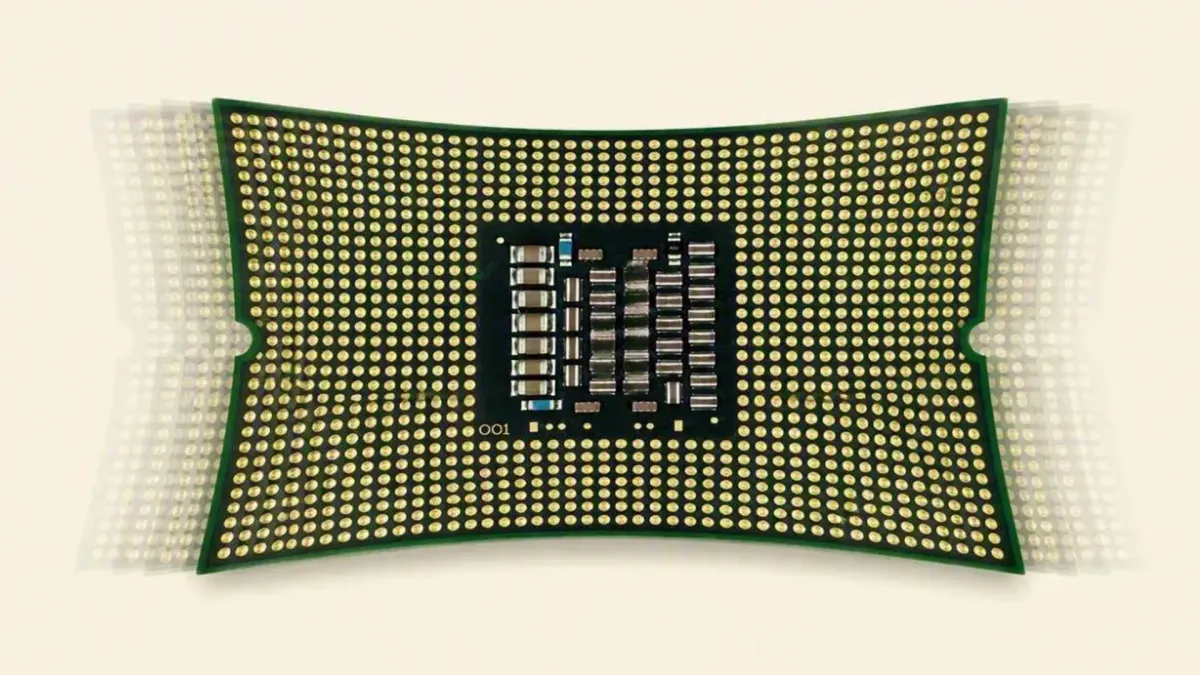
Imagine a computer chip that sips power instead of guzzling it, making your phone last weeks and AI data centers run on a fraction of the energy. That's the holy grail a team of U.S. researchers is chasing, backed by a cool $10.6 million from DARPA. Their secret? Tiny mechanical movements, not just electricity.
Today's chips are basically a gazillion microscopic light switches, flipping on and off with electrical charges to represent ones and zeros. It works, but it's a power hog. Georgia Tech professor Asif Khan and his crew are proposing something wilder: using physical strain to process information.

The Wiggle Room for Data
They call it Mechanically Amplified Ferroic-Actuated (MEFA) Logic. Sounds like something out of a sci-fi movie, but the idea is elegantly simple. Special materials expand or contract ever so slightly when a voltage hits them. This minuscule wiggle is then amplified, nudging a nearby semiconductor channel, which in turn controls current flow and switches logic states. It’s like the chip is doing a microscopic dance to crunch numbers.
We're a new kind of news feed.
Regular news is designed to drain you. We're a non-profit built to restore you. Every story we publish is scored for impact, progress, and hope.
Start Your News DetoxKhan's team isn't just dreaming up futuristic tech; they're also making sure it can actually be built. They're designing MEFA logic to fit seamlessly into existing semiconductor manufacturing, which is a bit like designing a rocket that can still launch from a regular airport. This pragmatic approach is key to slashing energy use without sacrificing the speed and functionality we've all come to expect.
This whole endeavor is part of DARPA's wonderfully named "Fast and Curious" program, which is basically an invitation to rethink computing from the ground up. They're trying to move beyond the CMOS systems that have powered pretty much every electronic device for decades, from your smartwatch to those massive AI servers.
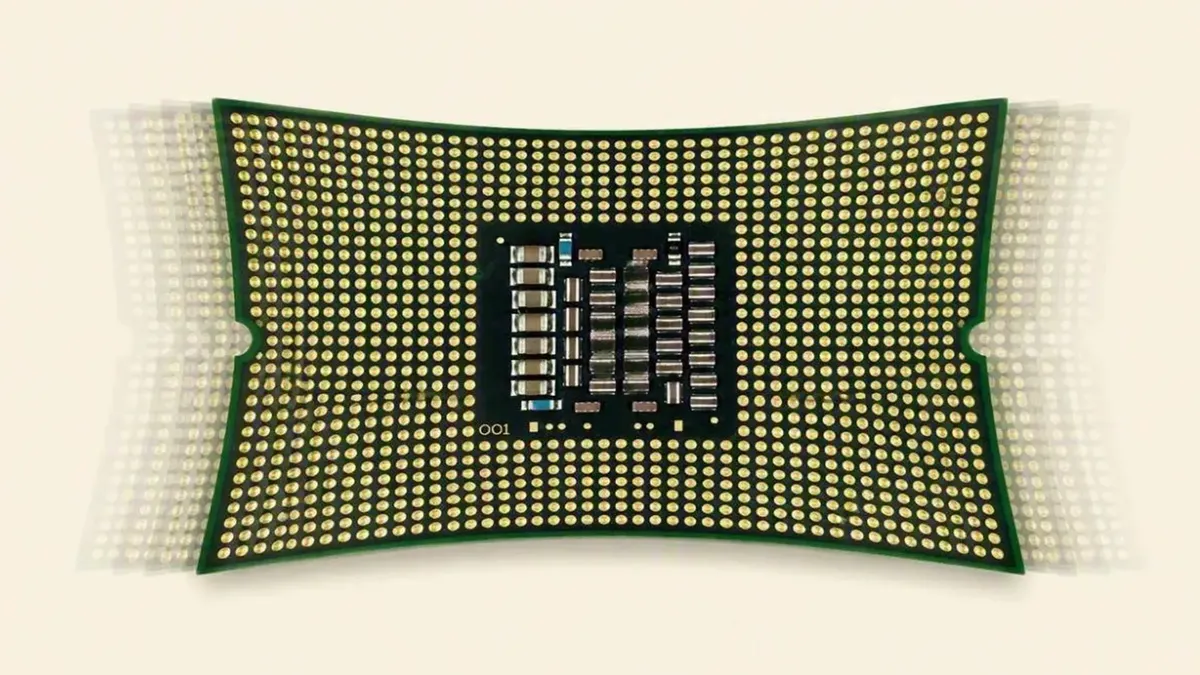
The goal isn't just a marginal improvement. We're talking about chips that could be 100 times more energy efficient. Let that satisfying number sink in. If successful, it means a monumental leap forward, potentially untethering our devices from constant charging and making energy-intensive AI far more sustainable. Researchers from Rice University, USC, and Northrop Grumman are all in on this, taking the concept from single devices to complex circuits. Because apparently, that's where we are now: making computers smarter by teaching them to jiggle.