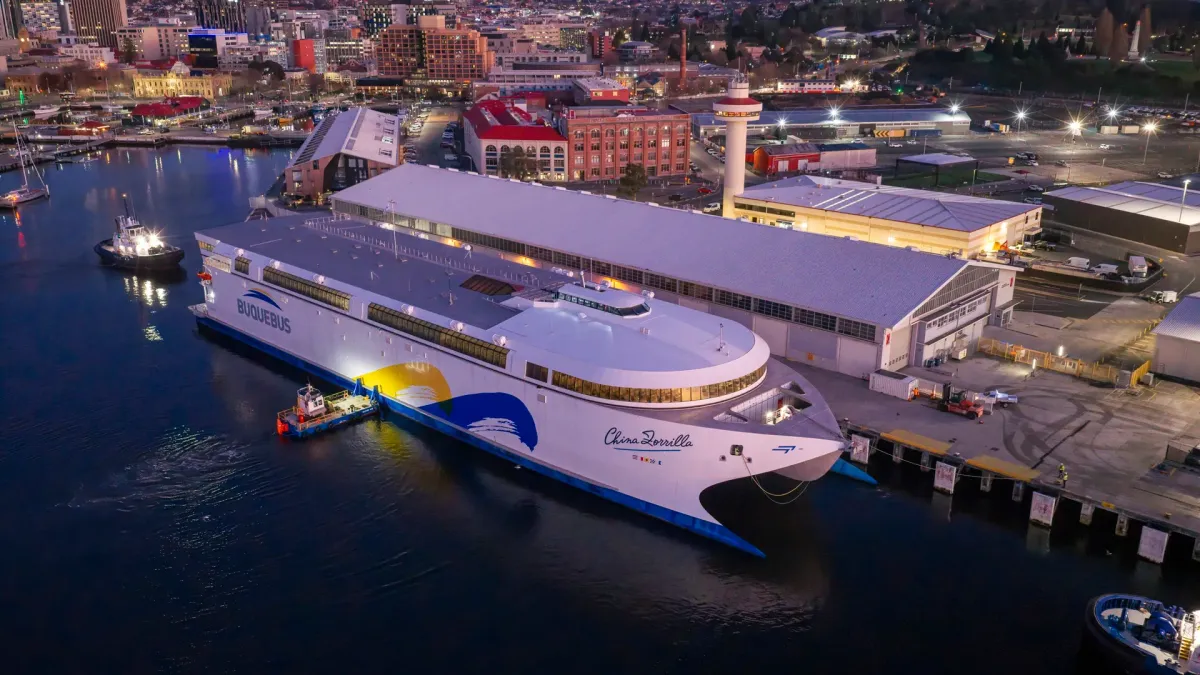
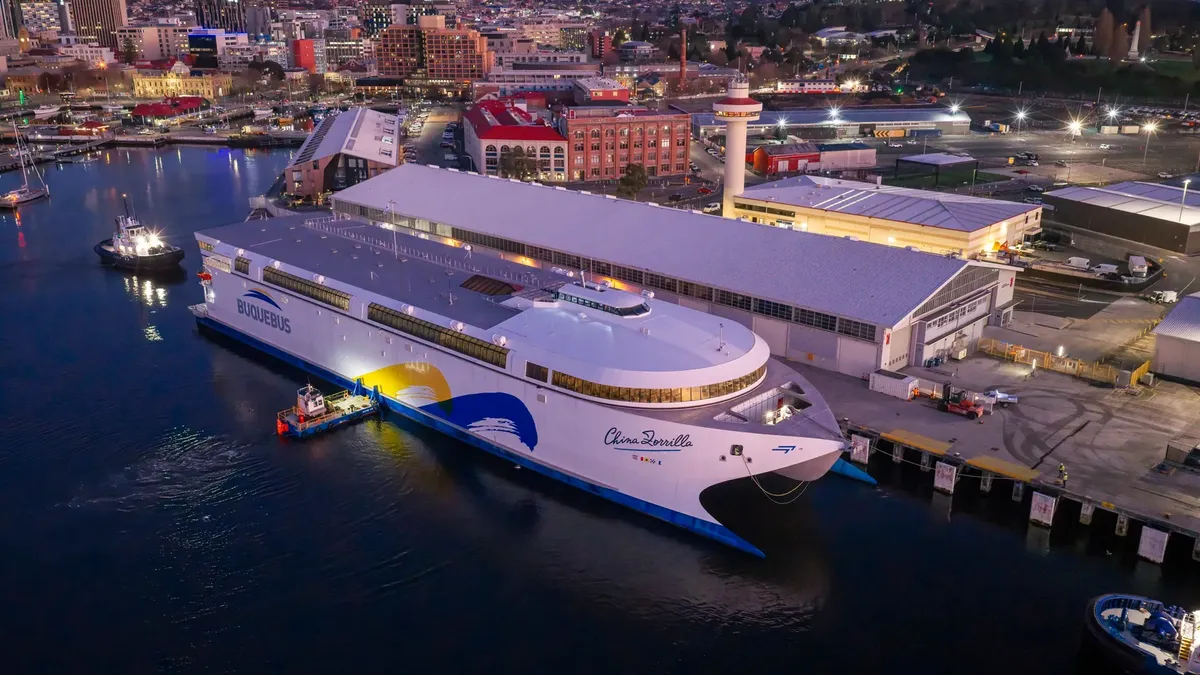
Imagine a ship so big, so utterly packed with batteries, it could power 5,000 homes for a day. Now imagine that ship traveling thousands of miles, not under its own electric steam, but piggybacking on another ship. Because that's how the world's largest electric ferry, a 426-foot behemoth, just arrived in Uruguay after a marathon journey from Tasmania.
This isn't just any ferry; it's Hull 096, built by Australian shipbuilder Incat for South American operator Buquebus. It just completed its epic voyage to Nueva Palmira, Uruguay, arriving on September 11, cradled on the deck of the transport ship MV Black Marlin. Apparently, even the biggest electric vessels sometimes need a ride.
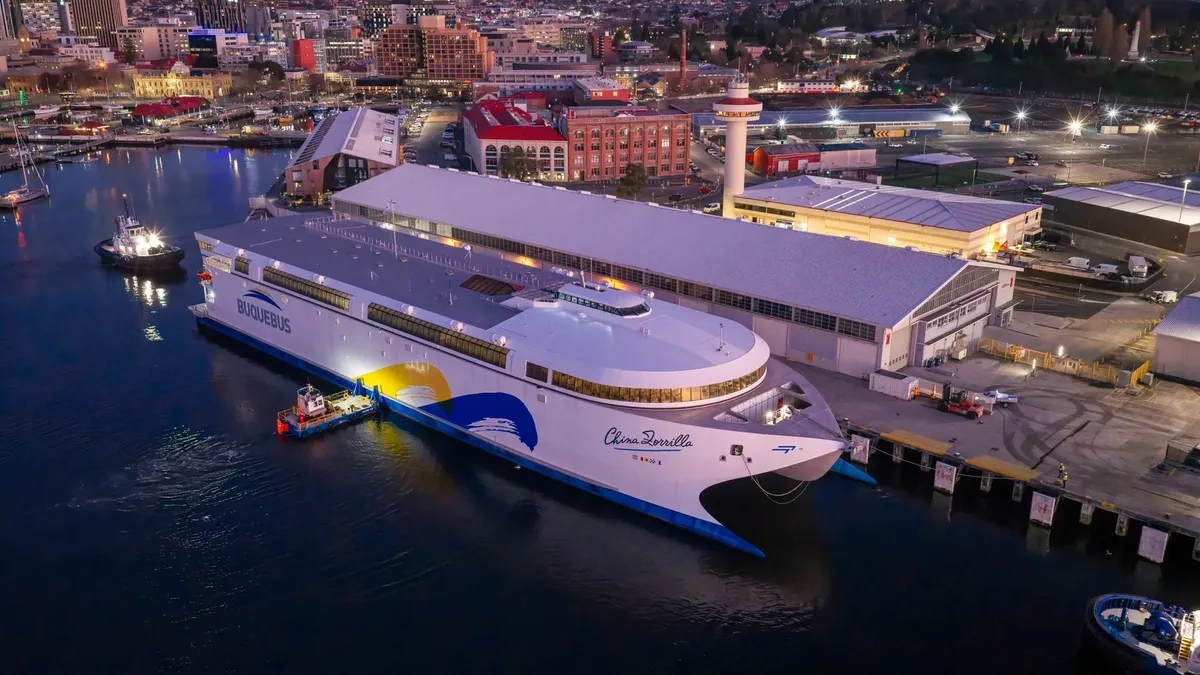
After its grand disembarkation, it'll be towed to Colonia del Sacramento for final testing. Which, if you think about it, is both impressive and slightly terrifying. "Touchdown in Uruguay," Incat officials shared, marking the moment it finally touched South American waters. Let's hope it brought a souvenir.
We're a new kind of news feed.
Regular news is designed to drain you. We're a non-profit built to restore you. Every story we publish is scored for impact, progress, and hope.
Start Your News DetoxA Battery on the Water
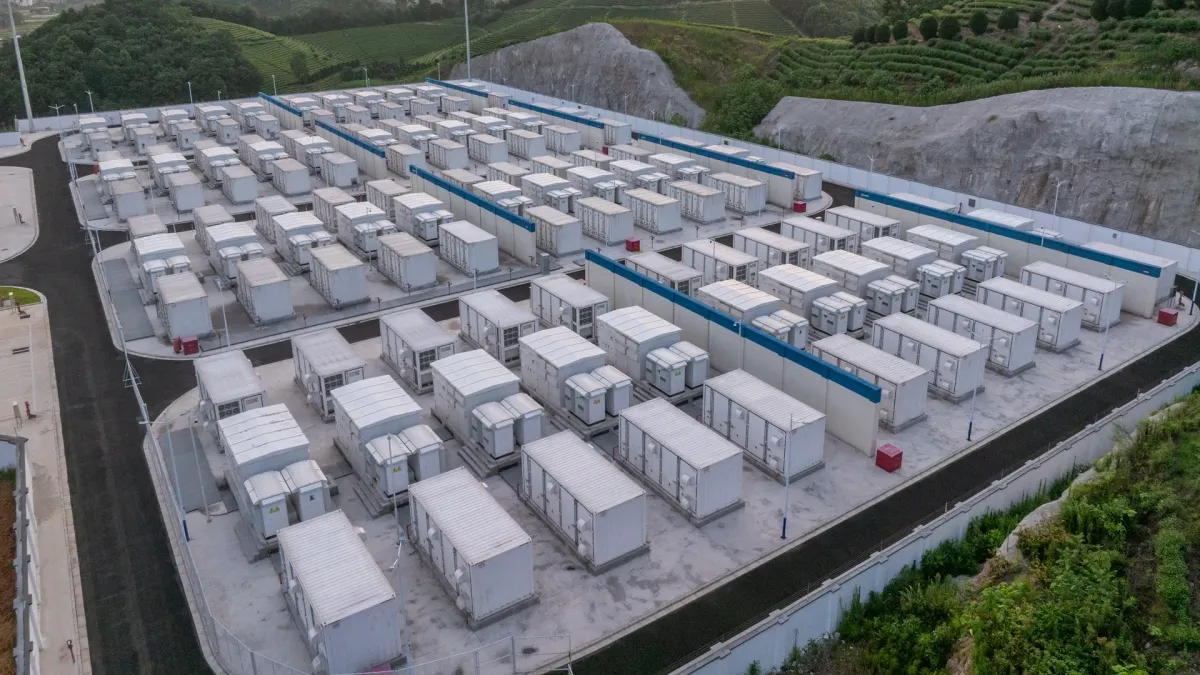
This floating marvel is powered by over 5,000 batteries, boasting a colossal 40 megawatt-hour (MWh) capacity. To put that in perspective, that's four times larger than any previous maritime vessel. This gives it a respectable 90 minutes of pure electric operation, which is plenty for its planned route.
Now christened the China Zorrilla (after a beloved Uruguayan actress, naturally), this aluminum vessel can schlep up to 2,100 passengers and 225 vehicles. The lightweight aluminum helps squeeze every last watt out of that battery system. It even comes with eight electric waterjets, because apparently, traditional propellers are so last century.
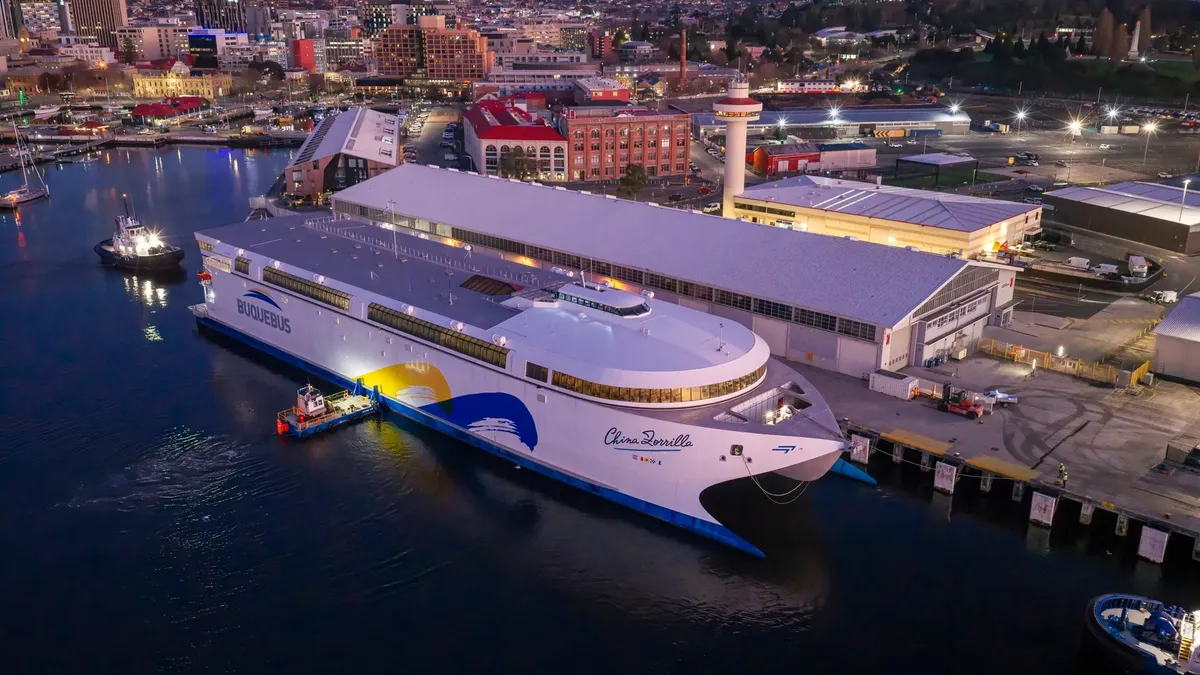
The initial order for this ferry came in 2019, but a little thing called the COVID-19 pandemic hit pause. During that unexpected intermission, the design team decided, "You know what? Let's ditch the diesel entirely." And just like that, a fully electric giant was born. It first hit the water for testing back in May 2025 in Tasmania's River Derwent, probably making local fish wonder what fresh hell had arrived.
Cross-Border Eco-Commute
The China Zorrilla is set to ply the waters of the Rio de la Plata, connecting Colonia del Sacramento, Uruguay, with Buenos Aires, Argentina. That's a 30-nautical-mile journey, taking about an hour. With its 90-minute battery life, it's designed to make three crossings daily, which means no mid-river battery anxiety.
Incat Chairman Robert Clifford gave a shout-out to the "thousands of people" who made this vessel a reality. And they should be proud. After all, designing a ship that travels past New Zealand, across the Pacific, and around Cape Horn (on another ship, of course) is no small feat.
Buquebus is now putting the finishing touches on testing before the China Zorrilla officially begins its passenger service. Meanwhile, Incat is already cooking up three more electric ferries for a Danish operator. Because apparently, once you go electric, you don't go back. And the bigger, the better.