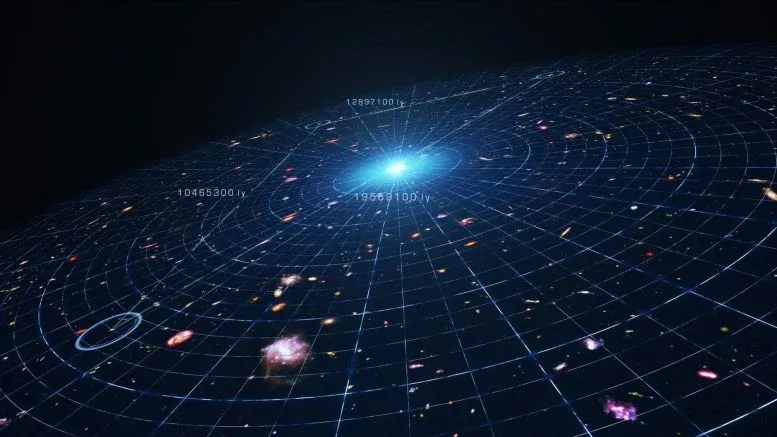
Well, it seems the universe has decided to keep its foot on the gas. While some scientists were briefly holding their breath, new data confirms the universe is still speeding up, so your existential dread can continue. Good to know some things are consistent, even if that consistency is, you know, cosmic acceleration. Luckily, down here on Earth, humanity seems to be picking up its own pace, but in decidedly more constructive ways.
Big Problems, Clever Fixes
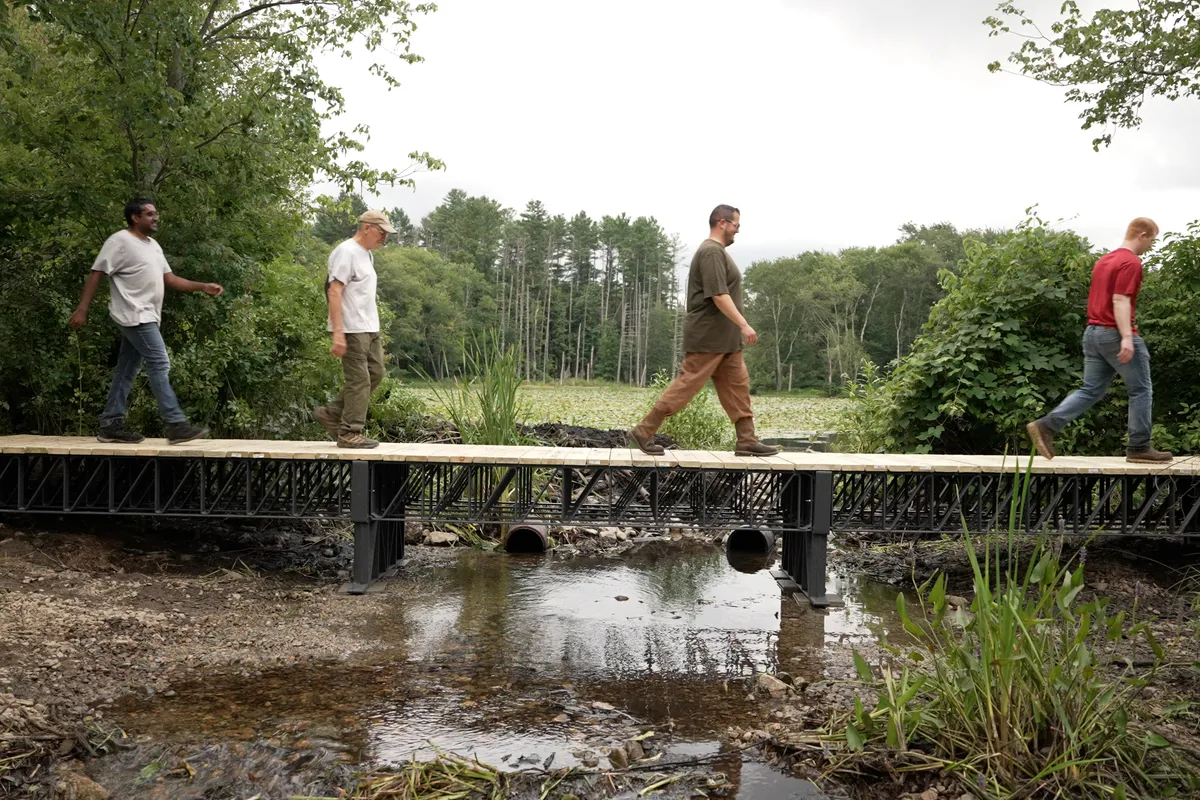
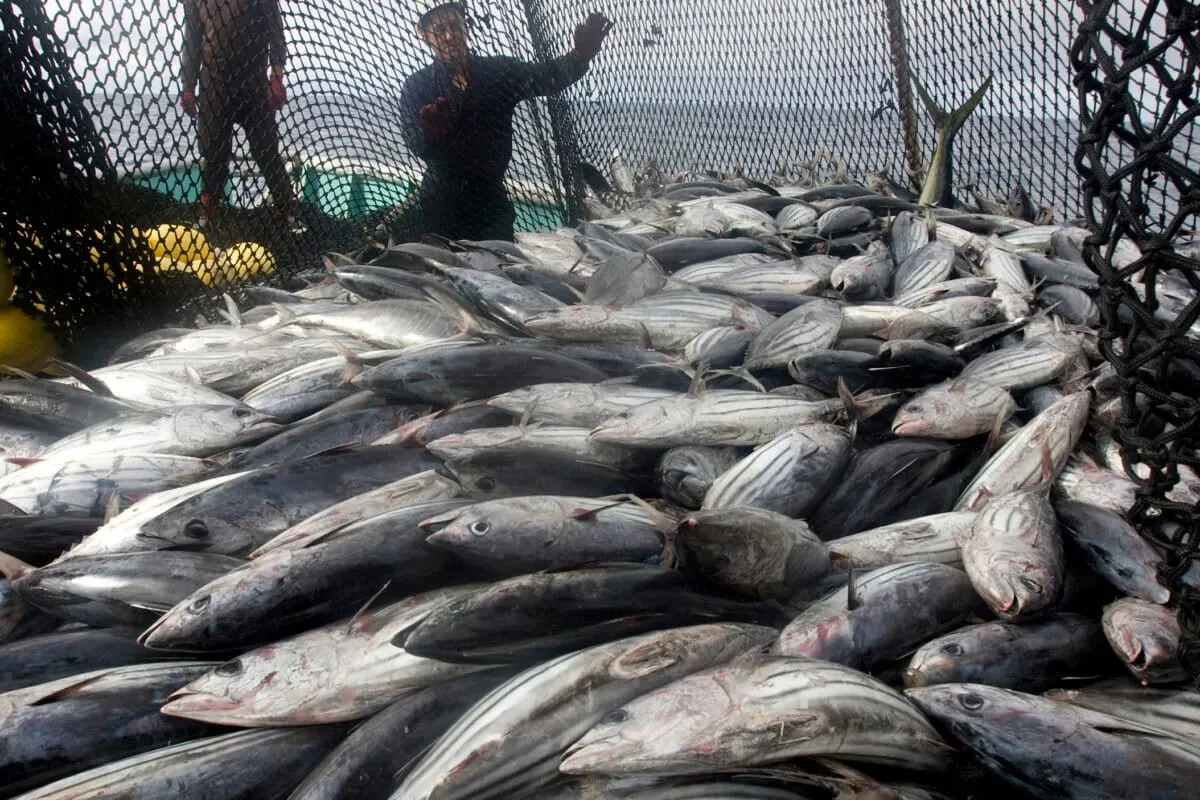
There's nothing quite like a well-aimed solution to a sprawling problem. Take plastic waste, for instance. It's everywhere, and so are people in need of shelter. An MIT spinout, Atlas Building Composites, looked at those two seemingly unrelated issues and decided to tackle them head-on. They're turning plastic trash into homes, one trillion pounds at a time using an AI-powered process. It’s the kind of elegant problem-solving that makes you wonder why we didn't think of it sooner. Meanwhile, the Inter-American Tropical Tuna Commission wrapped up its annual meeting with a rare bit of good news: after a decade, Pacific bluefin tuna finally get a smarter rescue plan. For a species that's been battling decades of overfishing, this agreement to a long-term harvest strategy is more than just a plan; it's a lifeline.
What this means for you: When you hear about seemingly insurmountable global challenges, remember that someone, somewhere, is likely finding an ingenious way to turn trash into homes or save an entire species.
We're a new kind of news feed.
Regular news is designed to drain you. We're a non-profit built to restore you. Every story we publish is scored for impact, progress, and hope.
Start Your News Detox"The world needs more homes. The world also has too much plastic. Perhaps the only thing those two problems have in common is that they’re hard to solve. Atlas Building Composites, a spinout of MIT, is on a mission to address both problems with a single solution." — Read the full story
Global Momentum for Human Rights
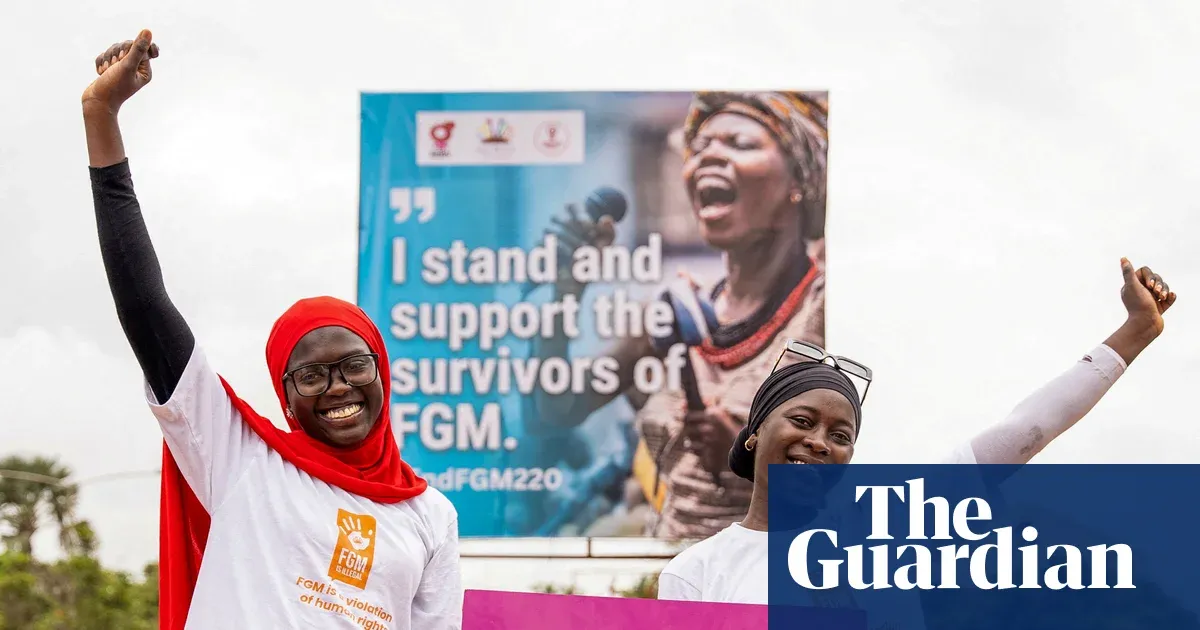
Sometimes, change happens not with a bang, but with a groundswell of focused effort. This week, we saw significant strides in two critical areas for human well-being. First, in the Philippines, the Bangsamoro Autonomous Region in Muslim Mindanao (BARMM) is preparing for its first parliamentary election after decades of fighting. This vote marks the official end of a transition period, signaling a monumental shift towards self-governance and peace in a region long plagued by conflict. In a different vein, but with equally profound implications for human rights, a substantial $15.5 million fund just dropped, aimed at creating "unstoppable momentum" to end female genital mutilation worldwide. This fund is a direct response to the plight of 230 million women and girls globally and represents a serious commitment to supporting frontline activists.
What this means for you: When enough people decide a wrong needs to be righted, resources and political will follow. These aren't just funds or elections; they're tangible steps towards a more just world.
The Unseen World, Suddenly Visible
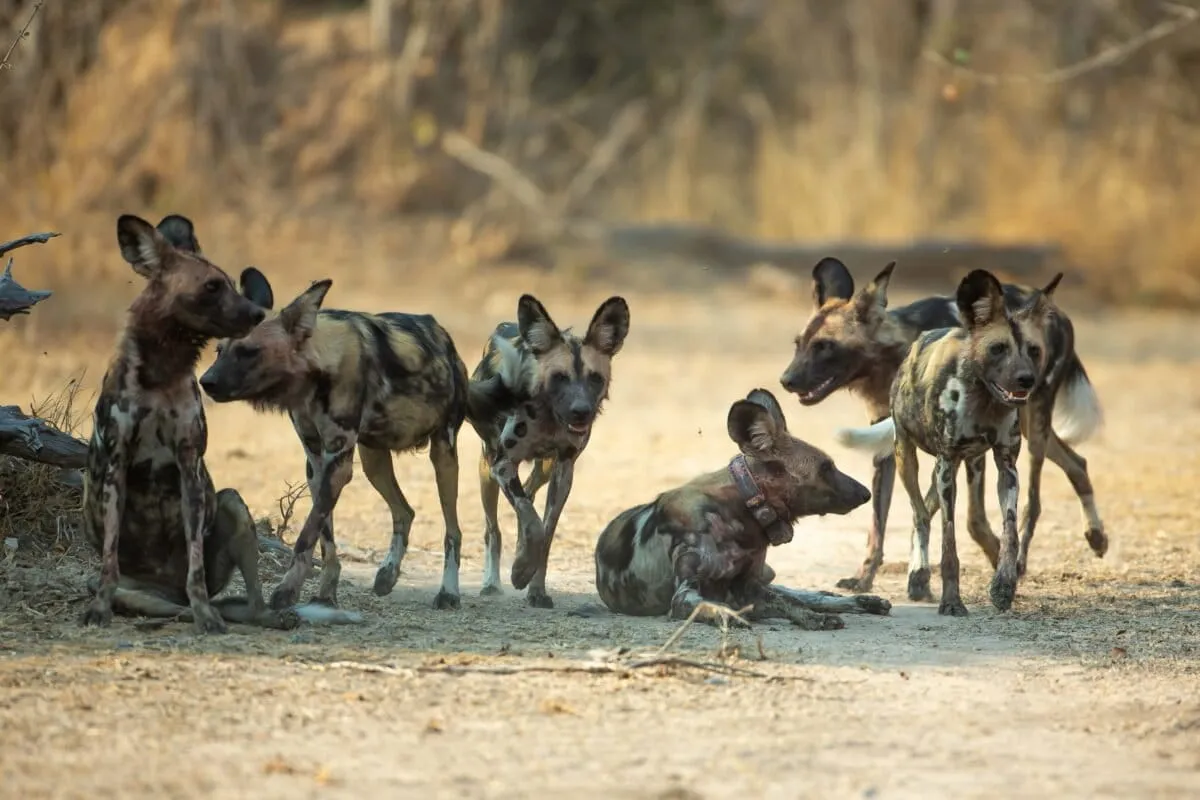
Our understanding of the natural world, from the microscopic to the cosmic, took some delightful turns. In Zambia, three intrepid male African wild dogs embarked on an epic nine-month journey, covering over 4,000 kilometers — about half the distance from Cairo to Cape Town — setting a new African mammal travel record. Their odyssey isn't just a fun fact; it reveals crucial insights into how these endangered animals connect populations across vast landscapes. Meanwhile, in a remote Colombian region, researchers, working with Indigenous communities, discovered over 100 new dragonfly species — and, in the process, found new words for them in nearly forgotten languages. It's a beautiful intersection of biodiversity and cultural preservation. Even the ancient world chimed in, with a fossil ignored for 20 years just rewriting Japan's dino history, proving that sometimes the biggest discoveries are hiding in plain sight.
What this means for you: The world is still full of wonders waiting to be discovered, whether they're setting new records, inspiring new words, or simply patiently waiting in a museum drawer.
Hope stat: 4,000 kilometers — the distance three wild dogs traveled, proving nature's resilience and capacity for epic journeys.
Watch this space: Keep an eye on how that new $15.5 million fund impacts the fight against FGM on the ground; initial results could be transformative.