

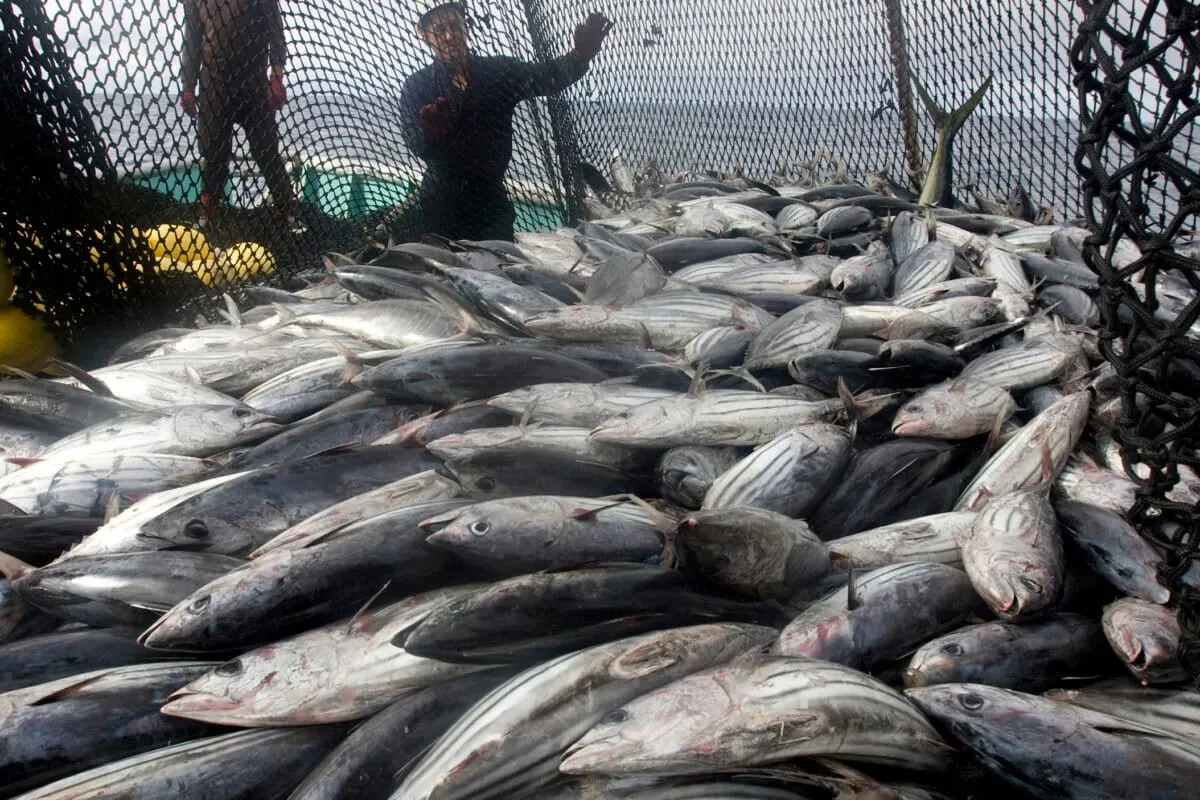
Good news for anyone who enjoys their sushi with a side of sustainability: Pacific bluefin tuna are officially getting a better shot at long-term survival. After a decade of deliberation, an international commission has finally agreed on a new, science-backed strategy to manage these magnificent fish. Because apparently, even tuna need a solid recovery plan.
The Inter-American Tropical Tuna Commission (IATTC) — which sounds like a very serious group, because it is — gave the green light to this new harvest strategy on September 4th. This is a big deal, considering these particular bluefin have only just begun to rebound from the rather aggressive human sport of overfishing.

Dave Gershman, a sharp observer from The Pew Charitable Trusts, called the move "really great progress." Which, in the world of international fisheries management, is practically a party.
We're a new kind of news feed.
Regular news is designed to drain you. We're a non-profit built to restore you. Every story we publish is scored for impact, progress, and hope.
Start Your News DetoxThe Long Haul to Recovery
It took 10 years of research, countless meetings, and probably a few too many cups of coffee for the IATTC to approve this new plan. It's designed to use science-based rules to ensure the tuna not only recover fully but stay protected for the long haul. It also, rather thoughtfully, considers how all that fishing impacts the rest of the ocean's intricate web.
Gershman wisely pointed out that having these kinds of plans ready "when times are good so it’s there when you need it" is just smart. Because inevitably, something will happen, and you don't want to be scrambling to save a species while also trying to figure out how to save a species.
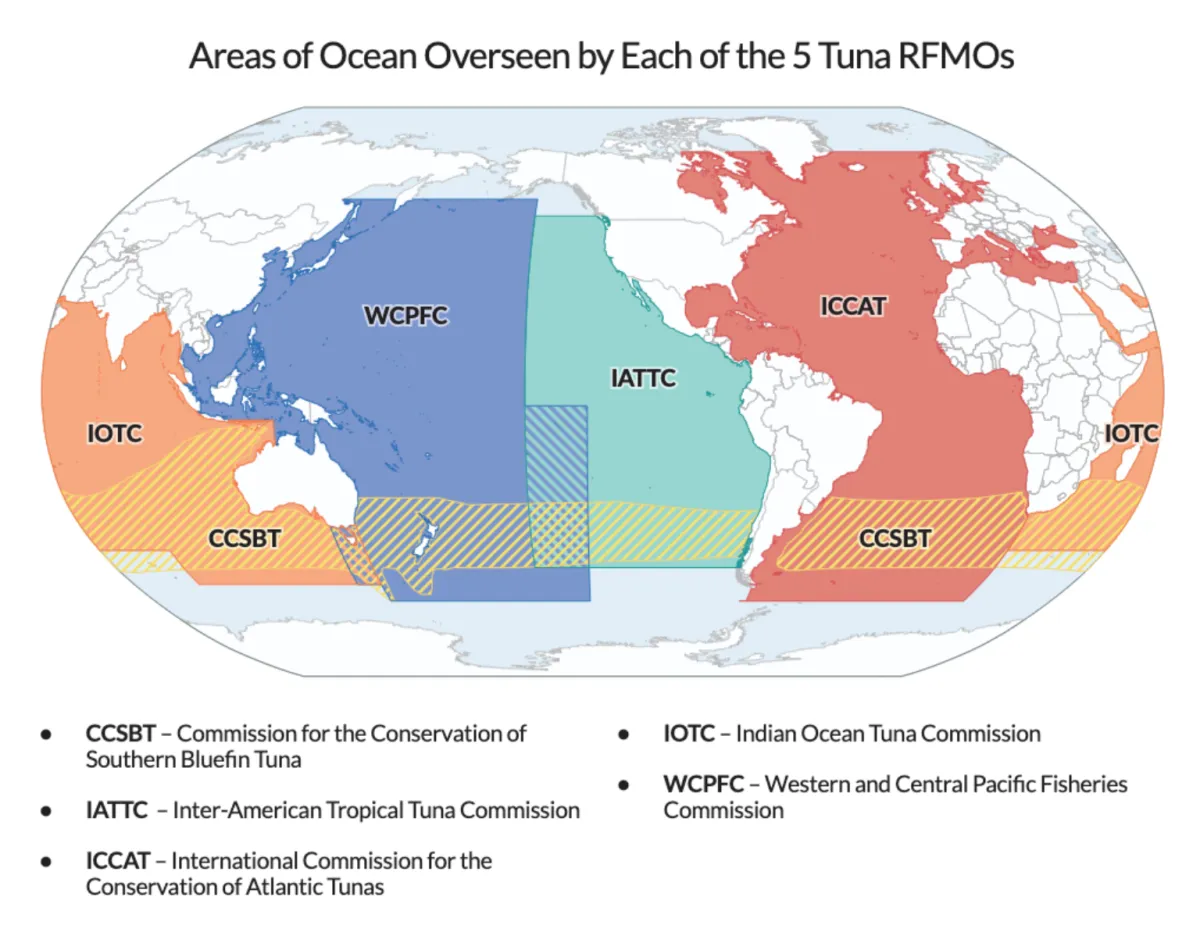
The IATTC's 104th meeting took place in Lisbon, overseeing six tuna stocks and their ecosystems across the Eastern Pacific Ocean, stretching from the chilly waters off Canada all the way down to Chile. Let's just say, that's a lot of ocean, and a lot of tuna. Now, with a bit more foresight, hopefully, there will be a lot more tuna for a lot longer.







