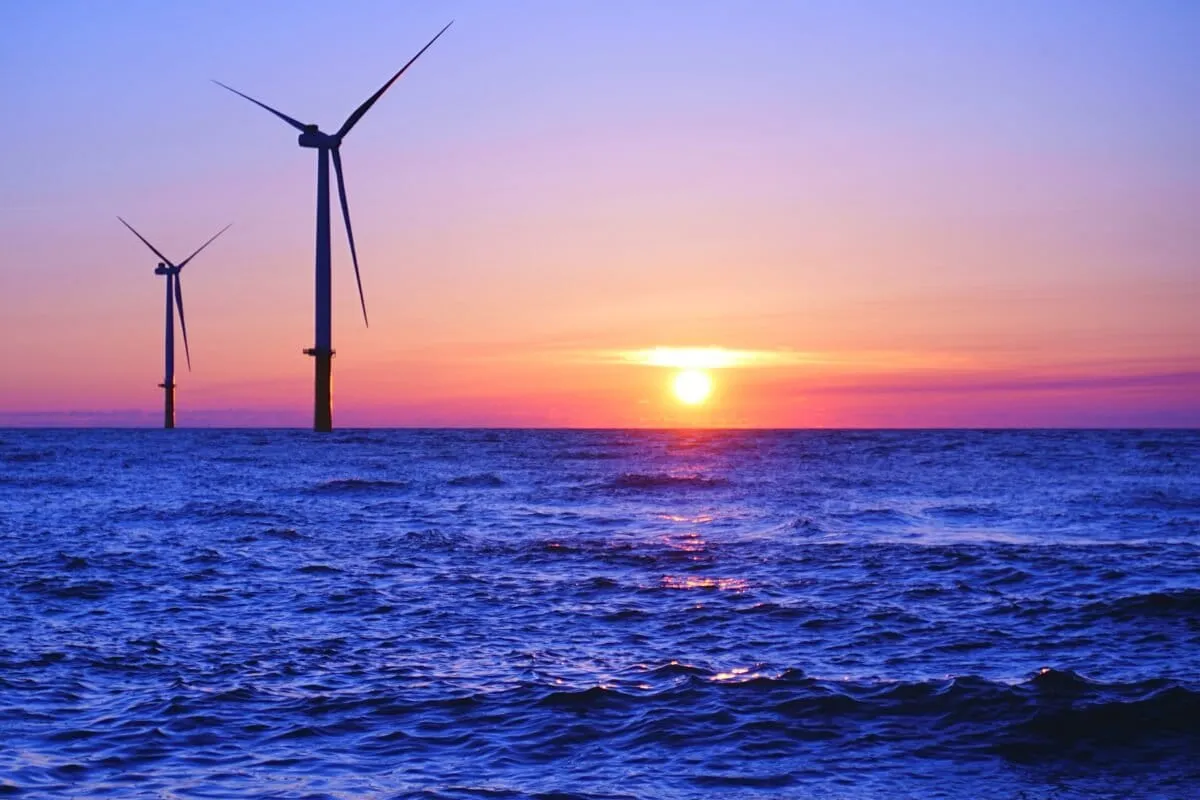
Offshore wind power is gearing up for a serious glow-up in the coming decades. It’s clean, it’s powerful, and it’s about to get everywhere. But just like any big development, experts are saying, "Hold on, let's not accidentally make things worse for the planet while trying to save it."
The goal? Build these colossal wind farms without turning the ocean into a construction zone that scares off wildlife. Think of it as a very large, very important roommate negotiation between humanity and, well, everything else that calls the sea home.

So, how do we get those giant turbines spinning without upsetting the neighbors? Mongabay chatted with the pros, and they've got some surprisingly clever ideas.
We're a new kind of news feed.
Regular news is designed to drain you. We're a non-profit built to restore you. Every story we publish is scored for impact, progress, and hope.
Start Your News DetoxLocation, Location, Location (But for Whales)
First up: don't just plop a wind farm anywhere. This is where "marine spatial planning" comes in, which sounds like something out of a sci-fi movie but is actually just smart real estate for the ocean. Marjolein Kelder from The Rich North Sea (a very aptly named nonprofit in the Netherlands) put it plainly: "Don’t put wind farms in your ecologically most valuable areas or in bird migration corridors."
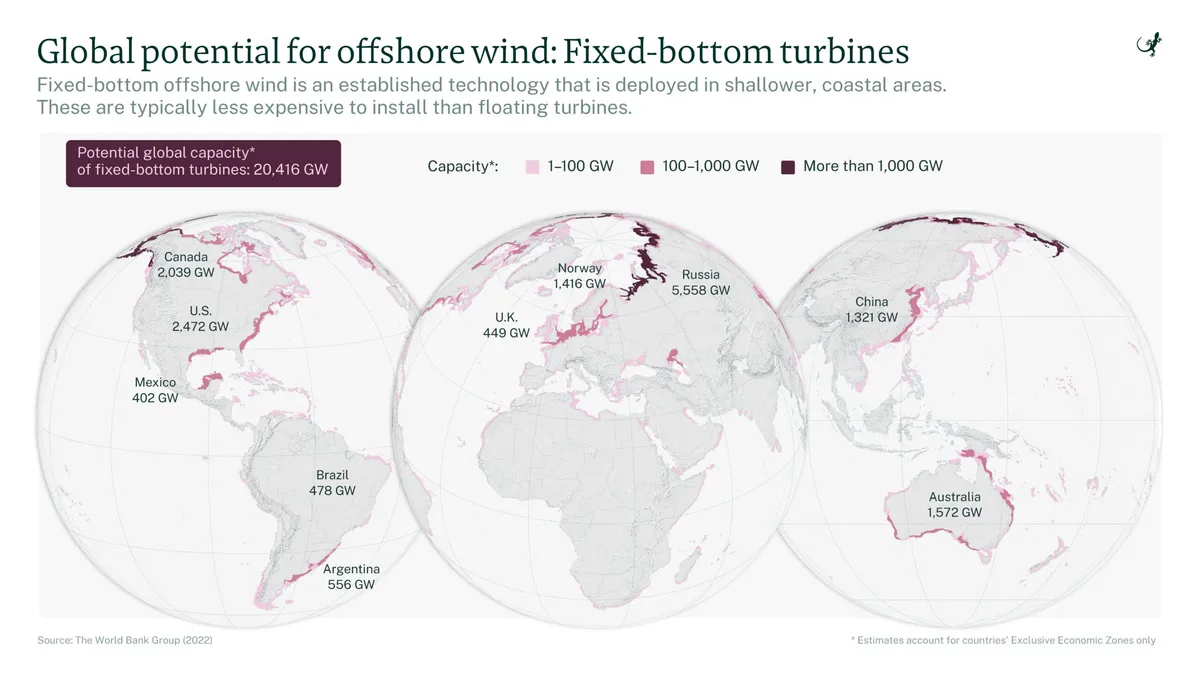
Because apparently, even birds have preferred flight paths that don't involve dodging giant spinning blades. Good planning means avoiding the marine equivalents of national parks and major highways, which also helps prevent turf wars with fishing boats and shipping lanes. Maps are being drawn up right now, highlighting all the sensitive areas for our feathered and flappy friends.
Turning Turbines into Tiny Ocean Condos
Here’s a plot twist: studies are actually showing that some wind farms can become unexpected sanctuaries for certain ocean critters. Who knew a massive industrial structure could double as a five-star resort for fish?
The next logical step? Design these things intentionally to be aquatic Airbnb hosts. We're talking artificial reefs bolted onto the foundations, or special "water replenishment holes" in the turbine bases that allow currents to flow through, creating perfect little hideaways and feeding grounds. Because if you’re going to build it, you might as well make it a nice place to live.