

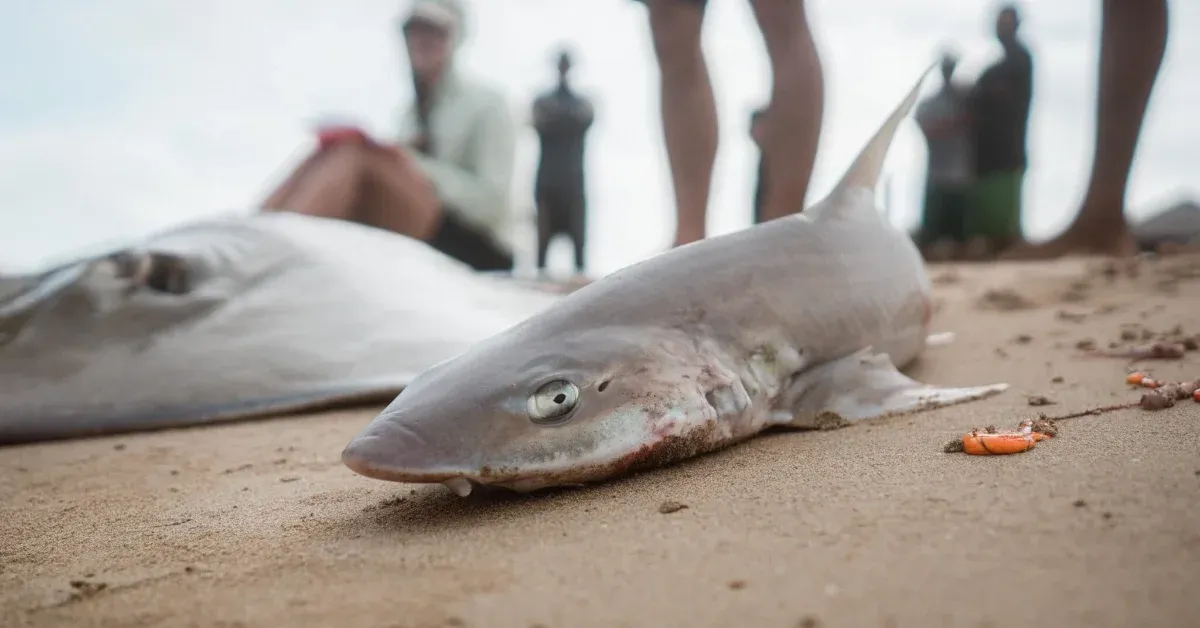
In La Guajira, Colombia, Indigenous Wayuu fishers are working with marine biologists to protect shark populations. This area is at South America's northernmost tip.
A 2021 law banned shark and ray fishing in Colombia. However, shark meat is still a key food source in this remote region, where food is often scarce.
Proyecto Puyuii, a Colombian shark conservation group, is partnering with Wayuu fishers. They are recording shark species in La Guajira's waters, which haven't been studied much. The project also promotes sustainable fishing methods. These include using nets with larger holes, safely releasing sharks, and avoiding longlines.
We're a new kind of news feed.
Regular news is designed to drain you. We're a non-profit built to restore you. Every story we publish is scored for impact, progress, and hope.
Start Your News DetoxSome fishers believe they need financial help to stop shark fishing. Sustainable tourism is seen as a possible new way to make money.
From Hunter to Protector
Wilfrido Arends, 46, is a fisher from the Wayuu community of Punta Gallinas. He is leading shark research and conservation there. Shark meat is a traditional part of the diet for the about 50 families in Punta Gallinas.
Arends and other Wayuu fishers are working with Proyecto Puyuii researchers. They are documenting the different shark species in La Guajira's waters.
Diego Cardeñosa, a marine biologist with Proyecto Puyuii, says there is almost no data on these sharks. He has been teaching Wayuu fishers how to record the sharks they catch.
The 2021 law banned shark and ray fishing. A 2024 update allowed for accidentally catching 15 species. Despite the ban, shark meat is still an important protein source for Wayuu communities. This area is one of the most food-insecure in Colombia.
Commercial poaching is the biggest threat to sharks in Colombia. However, biologists say that even traditional hunting can harm shark numbers, especially endangered species. This happened before with turtles, which were overconsumed.
Proyecto Puyuii wants to offer fishers other ways to earn money. They also aim to reduce pressure on local shark populations through science and sustainable fishing.
The project accepts shark consumption as a traditional practice for survival. But they do not encourage targeted shark fishing, which often uses longlines in deeper waters. A more sustainable approach would limit consumption to sharks caught by accident. It would also include safely releasing young sharks.
Felipe González, who co-founded Proyecto Puyuii with Arends, asks, "How do we make these sharks worth more alive than dead?"
Arends started fishing at age nine, like many Wayuu boys. He remembers a time when shark meat and fins were traded for money, fuel, or other goods with buyers in Venezuela.
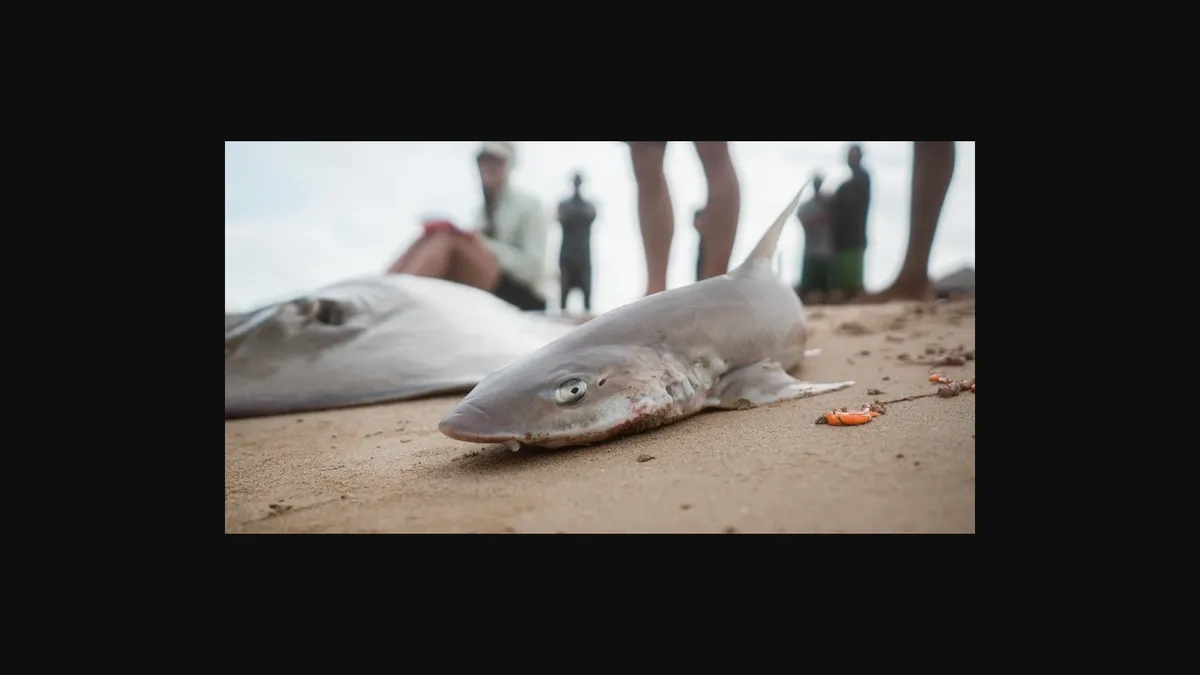
Fishers in Punta Gallinas used special longlines for sharks and fine-mesh nets, which caught many sharks by accident. Arends says this trade ended in Punta Gallinas over ten years ago, before the 2021 ban.
Other Wayuu communities still sell shark fins for about 50,000 Colombian pesos (about $15) per kilo.
In Punta Gallinas, shark meat is still eaten, especially in a traditional dish called salpicón. Oil from sharks is used for cooking, and the liver for cough medicine. Any extra meat is sold to local hotels and restaurants.
Arends says, "It’s an important protein source, the first source we have here to feed ourselves and our children is shark."
Despite this, Arends is committed to shark conservation. He stopped using longlines, which target sharks, many years ago. Now he mostly uses nets.
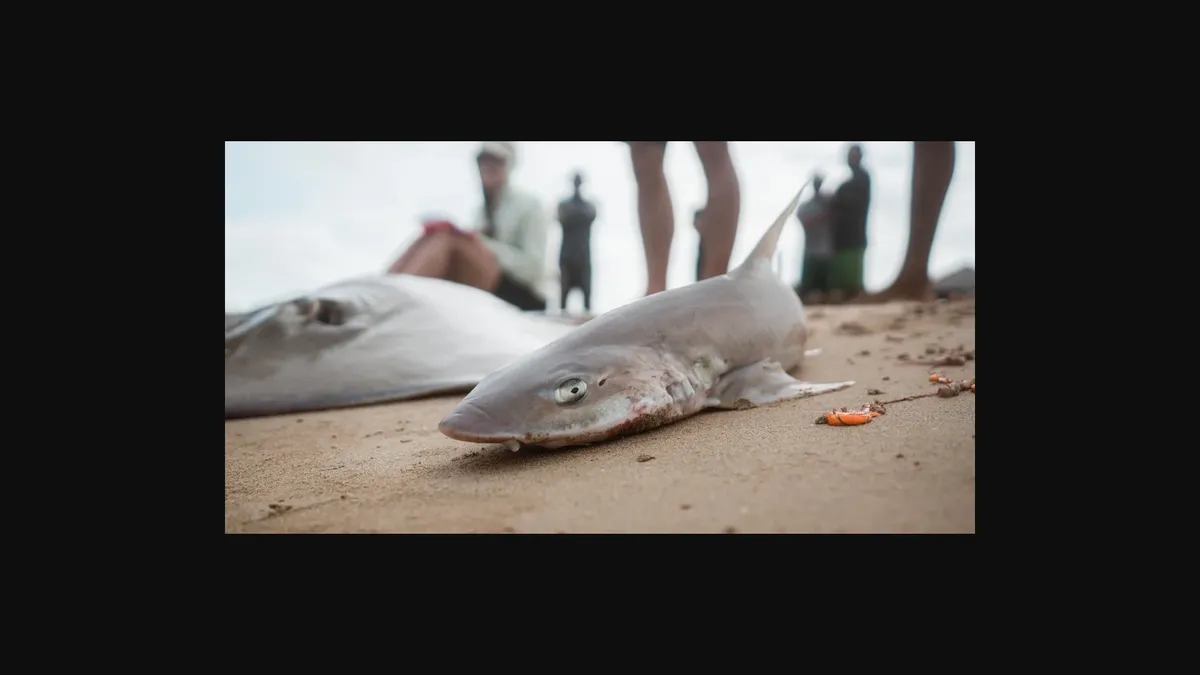
Since the early 2000s, Arends has worked on mangrove and sea turtle conservation. Locals say sea turtles have disappeared due to overconsumption. Arends doesn't want the same to happen to sharks.
He and other fishers in Punta Gallinas now use nets with large holes to avoid catching young sharks. They also place nets away from the open sea, where sharks are common, to catch other fish. If a shark is caught by accident and is alive, it is released.
Locals say these practices are now common in Punta Gallinas. Arends estimates that about 17 of the 20 boats in the community no longer fish directly for sharks.
Arends says, "You feel like your programming has been changed — from hunter to protector."
A Wealth of Shark Species
Biologists believe the waters around Punta Gallinas have many different shark species, though they are not well-studied.
Camilo Garcia, a marine biology professor, says there is a high concentration of ray and shark species in La Guajira. His research identified 90 species, but he believes more study is needed to ensure sustainable fishing.
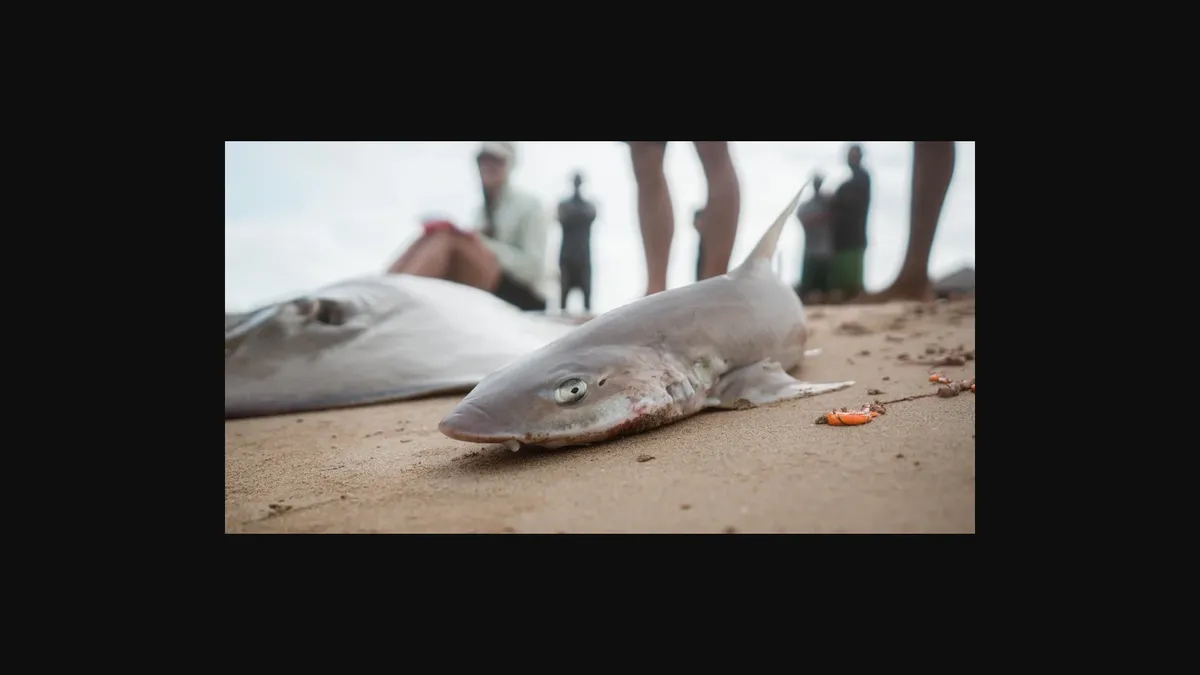
Wayuu fishers in Punta Gallinas have reported species like tiger sharks, silky sharks, endangered blacknose sharks, and critically endangered smalleye hammerheads (Sphyrna tudes).
Cardeñosa believes Proyecto Puyuii's efforts to document shark species are vital. This data can lead to better conservation, like fishing limits and protected areas.
Fishers measure every shark they catch and give fin samples to Arends. Cardeñosa says this will provide a clearer picture of the shark populations and help determine if current fishing is sustainable.
Finding New Ways to Live
Moving away from shark fishing is hard for some communities due to food and water shortages in La Guajira. Many Wayuu fishers feel the 2021 law is unfair to communities that rely on sharks for food.
Luzmila Arends, Wilfrido's sister, lost about 247 of her 300 goats due to a failed rainy season. Goats are another common food source. One in three children in the region suffers from chronic malnutrition.
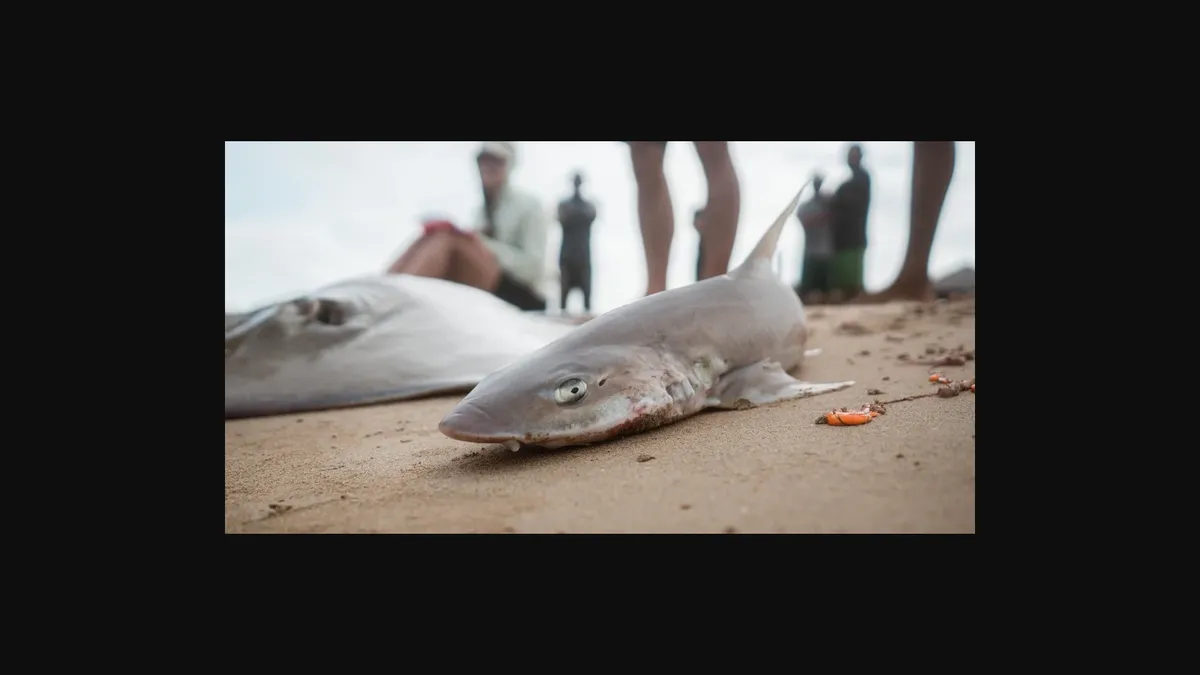
Juan Manuel Uriana, leader of the fishers' association in Bahía Hondita, says many people there rely on shark meat to survive. He believes people need compensation to stop fishing for sharks.
Proyecto Puyuii hopes sustainable tourism can offer new opportunities. The project is linked to a Wayuu-run hotel and kite surfing school near the Taroa sand dunes, a popular tourist spot.
González says the goal is for tourist money to stay in the community.
Alexi López, Wilfrido Arends' uncle, was once a prolific shark fisher. Now, he earns most of his living driving cars and boats for tourists. He finds it easier than fishing.
Luzmila Arends runs a guesthouse where visitors can go on boat trips with fishers. She hopes economic alternatives will help the community move away from relying on shark meat. She notes that change takes time.
Releasing the Young
Even among those who fish for sharks, there's a growing desire to protect them. Uriana says people are open to conservation.
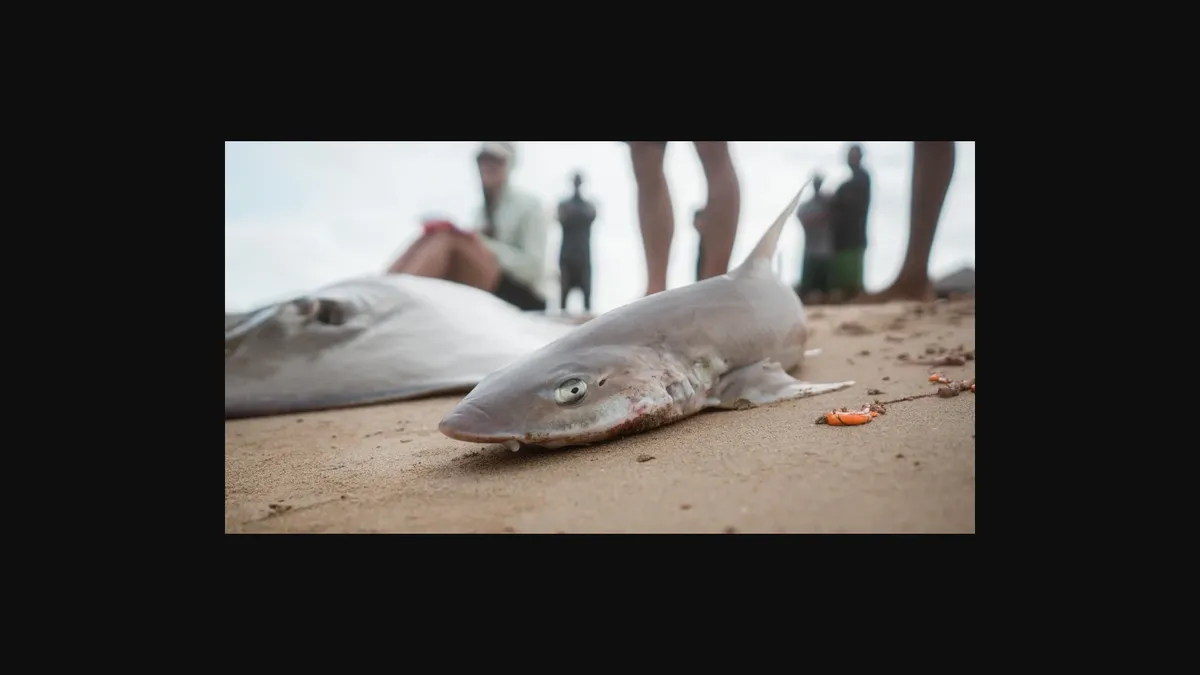
In May 2026, fishers in Bahía Hondita caught a pregnant female tiger shark. Uriana stopped a boy from taking the pups, saying, "Better we release them."
Protecting young sharks is crucial for sustainable fishing. Garcia notes that catching sharks before they reproduce directly harms the population.
Uriana used safe release techniques learned from Proyecto Puyuii. He released 43 living tiger shark pups into the ocean. He says they started releasing them with the children, who are already learning to fish.
Wilfrido Arends' 22-year-old son, nicknamed "Caraquitas," helps him fish. Arends says, "Everything we’ve tried to do is to leave something for our children." His granddaughter and one son want to be marine biologists. Arends dreams of starting a shark research center.
He concludes, "Our ancestors have left this to us. We want to leave something better for those who come next."







