For the first time in its history, the Democratic Republic of Congo is handing the reins of a protected area to a local organization. This isn't just a symbolic gesture; it's a monumental shift in how conservation gets done in a country rich in biodiversity, and, let's be honest, often rich in outside intervention.
The organization making history is Strong Roots, a Congolese NGO that will now co-manage the Itombwe Nature Reserve (RNI) in the South Kivu province. Think of it as a decade-long public-private partnership, with the Congolese Wildlife Authority (ICCN) still keeping an eye on things, but with a local team firmly in the driver's seat.
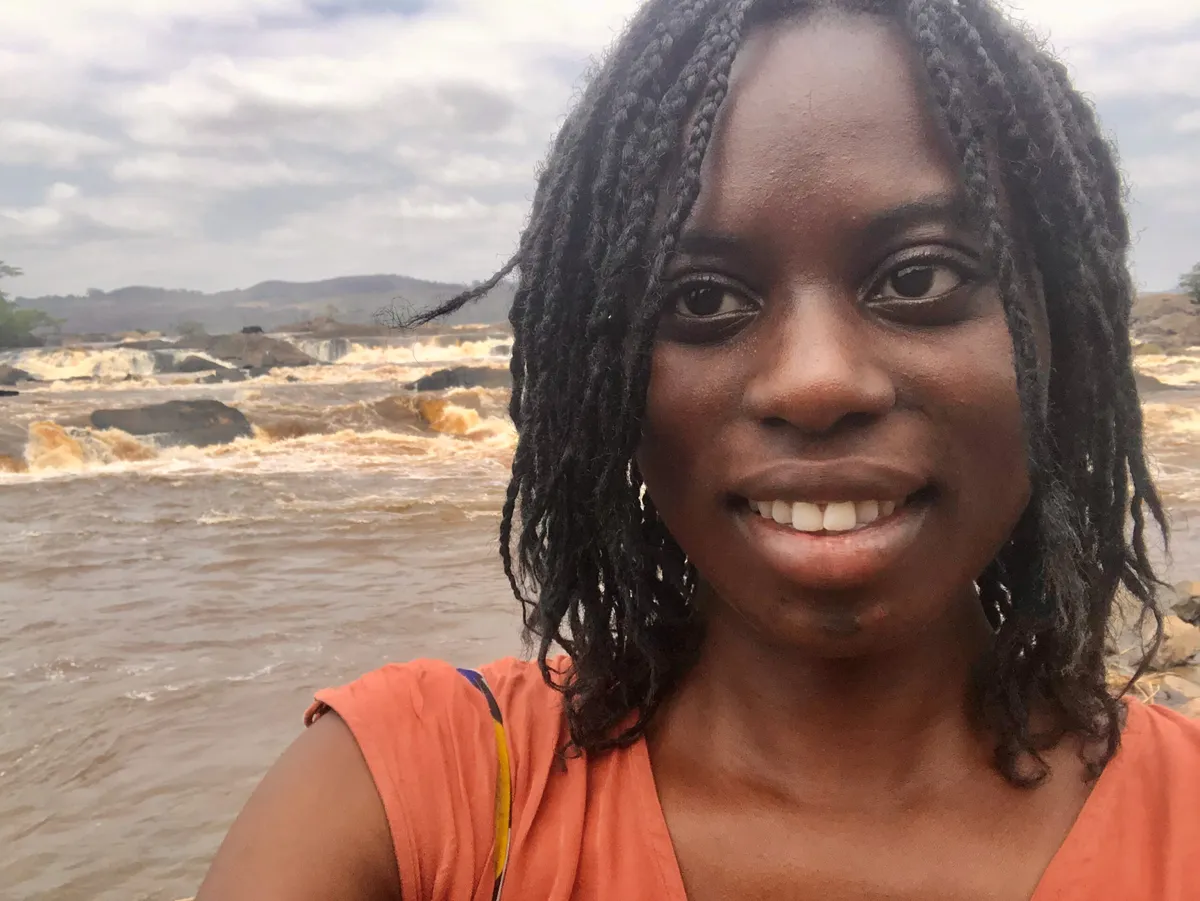
Dominique Bikaba, the founder of Strong Roots, told Mongabay that taking on this role is an honor. Which, given the sheer scale and importance of Itombwe, is probably a bit of an understatement. The reserve is a critical habitat, and Strong Roots has been doing the groundwork for this moment for years.
We're a new kind of news feed.
Regular news is designed to drain you. We're a non-profit built to restore you. Every story we publish is scored for impact, progress, and hope.
Start Your News DetoxThe Secret Sauce? Community First.
So, why Strong Roots? Bikaba credits their long-standing work in a massive biodiversity corridor. For a decade, they've been securing land for both communities and wildlife, creating a sprawling 1-million-hectare (2.5-million-acre) link between Kahuzi-Biega National Park and the Itombwe Nature Reserve.
They’ve already locked down 23 community forest concessions within this corridor, covering almost 600,000 hectares (1.5 million acres). That's a lot of land, and a lot of local buy-in. Bikaba points out that Itombwe itself has seven chiefdoms, and Strong Roots is already embedded with four of them. That's not just understanding the challenges; it's living them.
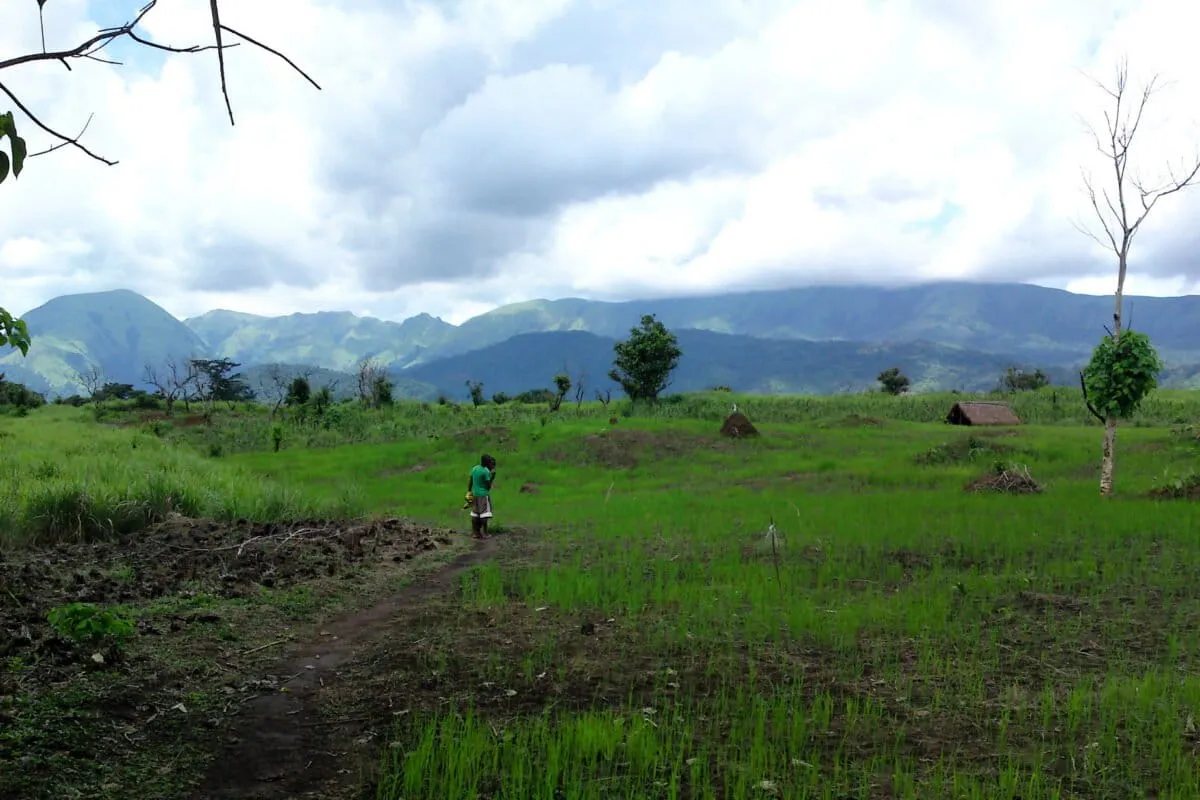
It gets even more personal: Bikaba himself is from an Indigenous community displaced for another protected area. That kind of lived experience tends to sharpen one's focus on making sure conservation efforts actually work for the people who call these places home. It’s a bold move, and one that suggests the future of conservation might look a lot more like collaboration, and a lot less like top-down mandates.