Since 2017, drones have helped forest teams patrol Kaziranga's large and challenging terrain.
A New Eye in the Sky
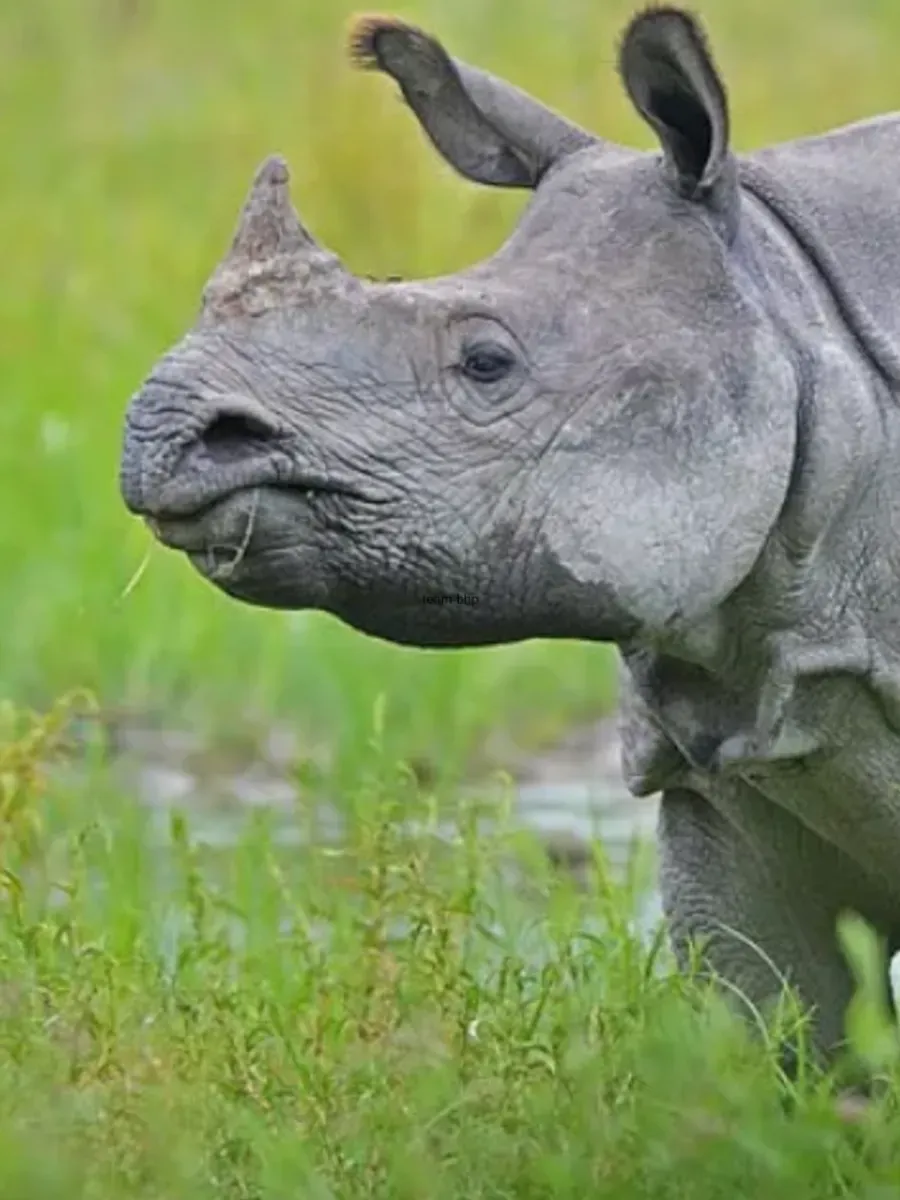
Kaziranga National Park is home to over 2,600 one-horned rhinos. Protecting them in dense forests is difficult. Drones now offer rangers a view from above these areas.
From 2000 to 2021, poachers killed more than 190 rhinos in Kaziranga. The worst years were 2013 and 2014, with 27 rhinos poached each year.
We're a new kind of news feed.
Regular news is designed to drain you. We're a non-profit built to restore you. Every story we publish is scored for impact, progress, and hope.
Start Your News DetoxThe Experiment
Drone use started as a test project around 2013. It showed good results in the areas it covered. By 2017, the Central Government approved drones for regular monitoring in Kaziranga.
How Drones Help
Modern drones can fly for up to 60 minutes. They stream live video and use thermal imaging to spot activity, even when it's dark.

Drones can also map grasslands, plants, and tree cover. This helps officials understand how the habitat is changing. Thermal sensors can detect unusual heat or smoke. This allows teams to spot forest fires before they are visible from the ground.
Rhinos, elephants, and wild boars sometimes wander into villages near Kaziranga. Drone tracking helps teams warn communities and act before problems get worse.
Technology for Wildlife
Drones do not replace rangers, their knowledge of the field, or habitat protection efforts. However, they help teams see more and react quicker.