Asia is a continent of staggering natural beauty, home to everything from snow leopards to orangutans, with a mind-boggling array of ecosystems and cultures. It's also a place where conservationists often feel like they're playing whack-a-mole with a dozen mallets at once.
Rapid development, sprawling infrastructure, a heavy reliance on natural resources, dense populations, and the ever-present shadow of illegal wildlife trade all conspire to make protecting nature a Herculean task. And for too long, the solutions floated have often drifted in from the West, a one-size-fits-all approach that, let's be honest, rarely fits anything perfectly.

Time for Asia to Lead
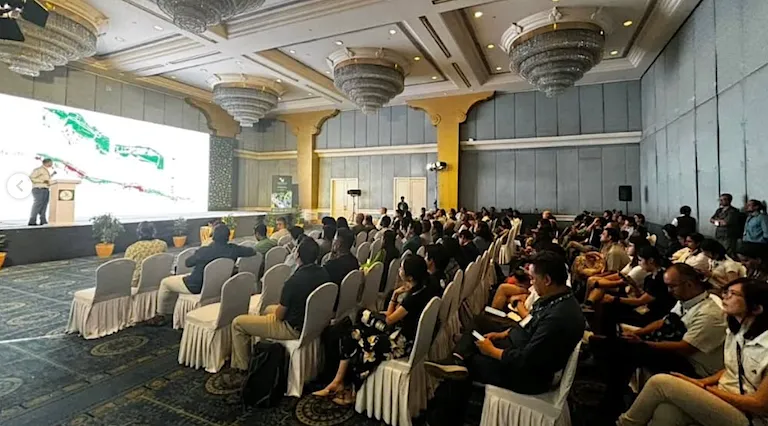
But that's changing. In early June, nearly 500 conservationists, a vast majority from Asian nations, converged in Kathmandu, Nepal. Their mission at the 6th Conservation Asia Congress? To flip the script. To say, politely but firmly, "Thanks for the input, but we've got this."
We're a new kind of news feed.
Regular news is designed to drain you. We're a non-profit built to restore you. Every story we publish is scored for impact, progress, and hope.
Start Your News DetoxOrganized by the Society for Conservation Biology (SCB) Asia region, alongside SCB Nepal and the Burhan Community Regeneration and Conservation Foundation (BCRCF), the congress tackled a crucial theme: "Harmonizing Biodiversity and Human Well-being in Asia." Which, if you think about it, is a pretty neat way of saying, "How do we save the planet without making life impossible for the people living on it?"
Experts rubbed shoulders with fresh-faced researchers and vital community leaders. They traded notes, debated strategies, and hammered out a vision for conservation that's not just evidence-based, but also deeply rooted in local communities and, crucially, led by Asian voices. Because who better to solve Asia's unique challenges than the people who live and breathe them every day? It's a pragmatic shift, and one that feels long overdue.