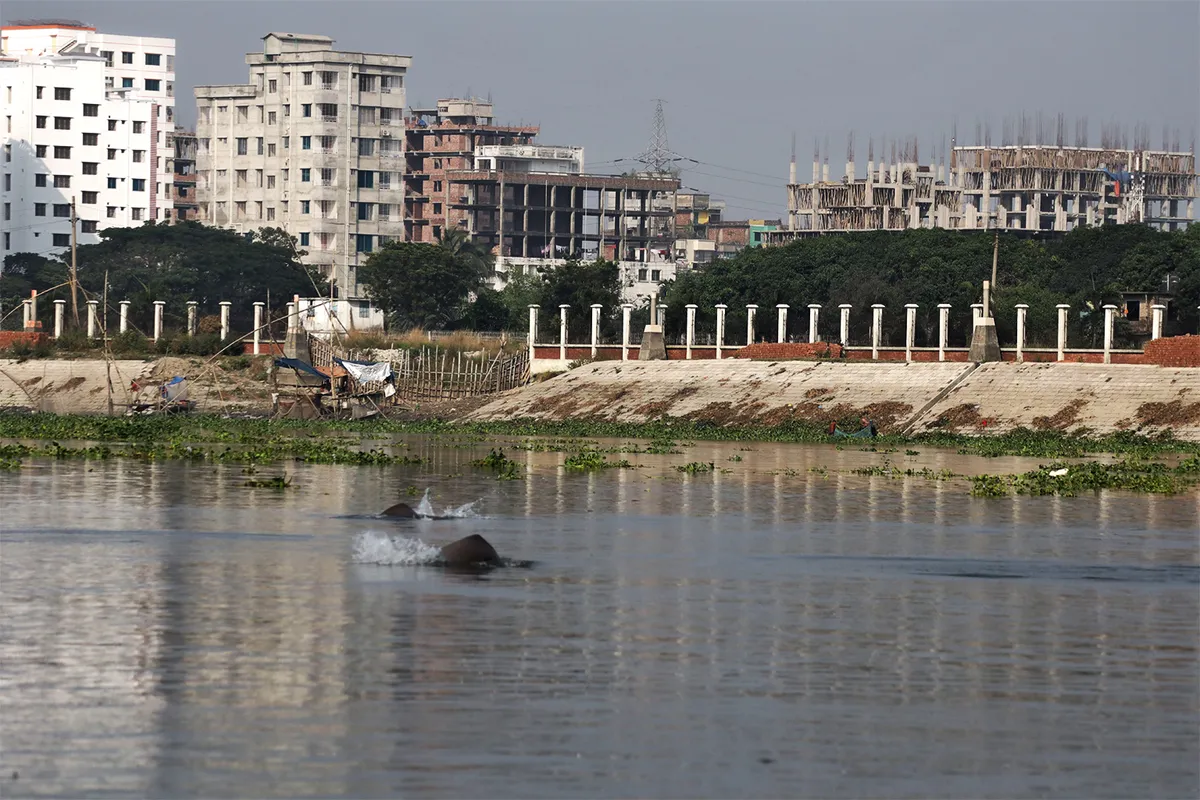
The Buriganga River in Bangladesh isn't just polluted; it's a poster child for environmental catastrophe. We're talking industrial waste, tannery chemicals, raw sewage, and enough trash to make a landfill blush. Fish, predictably, have mostly checked out. So, imagine the surprise when researchers found an entire pod of endangered Ganges river dolphins just... living there.
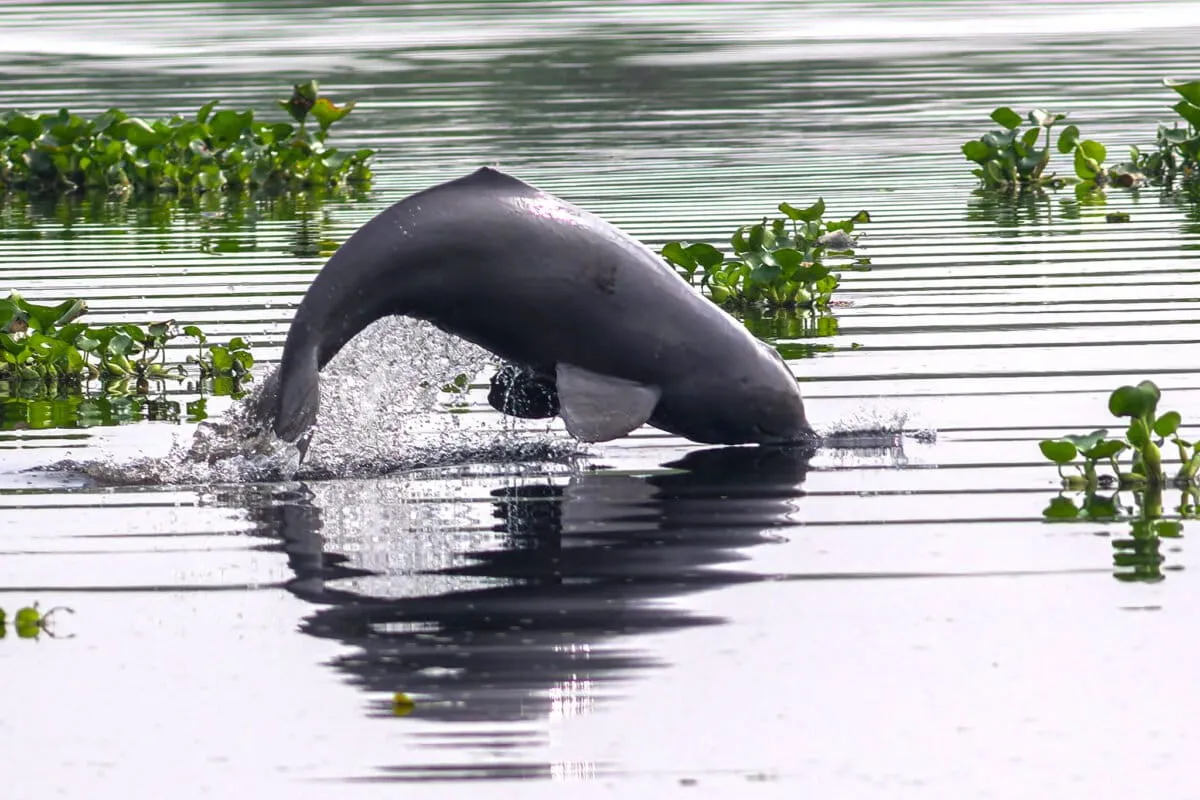
Yep, about 20 of these magnificent creatures (Platanista gangetica, if you're feeling fancy) are not just surviving but seemingly thriving in a river that, by all accounts, should be a biological desert. A recent study, published in the Journal of Asia-Pacific Biodiversity, confirmed their improbable residency.

Researchers spent a year, from September 2023 to August 2024, meticulously surveying a 27-kilometer (16.7-mile) stretch of this aquatic disaster zone. Their conclusion? Dolphins. In the toxic soup. Which, if you think about it, is both impressive and slightly terrifying.
We're a new kind of news feed.
Regular news is designed to drain you. We're a non-profit built to restore you. Every story we publish is scored for impact, progress, and hope.
Start Your News DetoxMd. Aminur Rahman, one of the scientists, put it mildly when he told Mongabay that finding dolphins where native fish can't survive was "amazing." The river's original inhabitants have largely vanished, replaced by invasive suckermouth catfish – because apparently, even in a poisoned river, life finds a way to be slightly weirder.
The dolphins made appearances in 10 out of the 12 months, with peak sightings in December and throughout the winter. They usually rolled in crews of about four. The only times they were no-shows? October 2023 and the late summer months of July and August 2024. Perhaps they were just on a much-needed, less-toxic vacation.
It's a testament to nature's stubborn resilience, or perhaps just a very clear sign that these dolphins have developed an extremely high tolerance for... well, everything. Either way, it's a story that makes you want to both cheer and immediately invest in better water treatment.