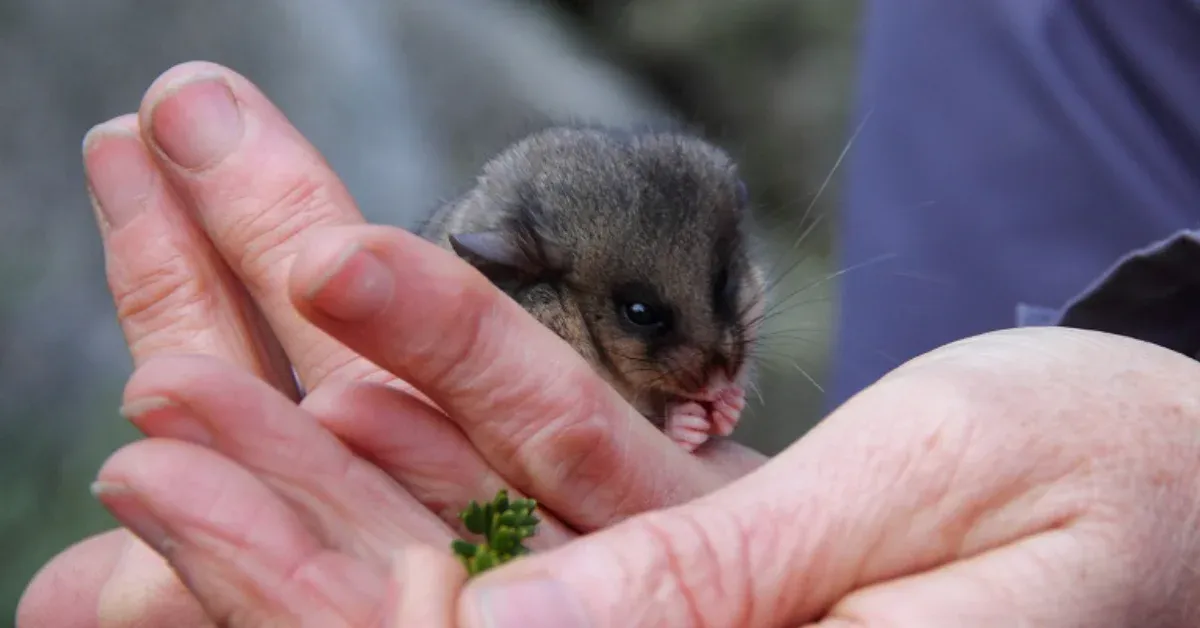
The mountain pygmy-possum, also known as the burramy, helps Australian environments. It spreads seeds from mountain plum-pines across rocky alpine areas. This tiny marsupial is only about four inches long. Its tail is even longer than its body.
People thought the burramy was extinct until it was found again in 1966. This happened at Mount Hotham in Australia's Victorian Alps. Since then, scientists have worked on a plan to help the species recover.
Building a "Tunnel of Love"
Scientists focused on a group of about 150 mountain pygmy-possums at Little Mount Higginbotham. A big problem was the Great Alpine Road, which cut through their home. This 210-mile road made it hard for the possums to move around.
We're a new kind of news feed.
Regular news is designed to drain you. We're a non-profit built to restore you. Every story we publish is scored for impact, progress, and hope.
Start Your News DetoxJerry Alexander, from the Department of Environment, Land, Water, and Planning, said the road blocked possums from crossing. This was especially a problem during mating season. Female possums usually live in higher areas with rocks. Males live further down the slope. The road made it almost impossible for them to meet safely.
To fix this, scientists built a "tunnel of love" under the road. This tunnel helps male possums reach females. Alexander explained that this increases breeding chances. It also helps restore their habitat and control predators. These efforts give the endangered species a better chance to survive.
Over two summers, researchers saw 30 possums use the tunnel. They often used it in springtime, after waking from hibernation. Scientists noted that the possums can cross the nearly 50-foot tunnel in just 15 seconds. This is sometimes too fast for cameras to catch them.
Protecting a Hibernating Marsupial
Fewer than 2,000 mountain pygmy-possums are thought to be left in the wild. Besides natural ways to save them, captive breeding programs are also very important.
In March, Zoos Victoria’s Healesville Sanctuary welcomed 12 baby possums. This was part of their breeding program. Mountain pygmy-possums are Australia's only true hibernating marsupial. They spend over five months under the snow each year.
At Healesville Sanctuary, zookeepers use special thermal cameras to check on the possums while they hibernate.
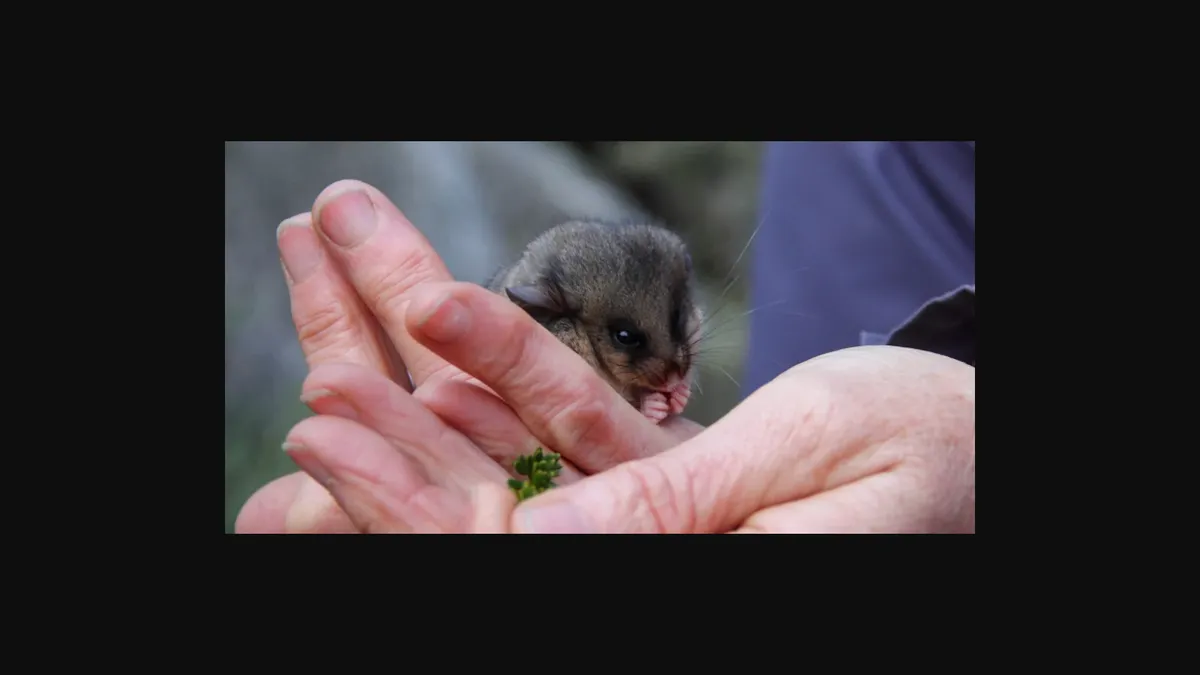
Amie Hindson, a Threatened Species Keeper, said that during hibernation, possums can lower their body temperature to two degrees Celsius. They curl into a ball, tucking their head into their chest. Females sometimes tuck their noses into their pouch.
Before hibernating, these small marsupials almost double their weight to about 2 ounces. Then, they lose nearly half that weight over winter.
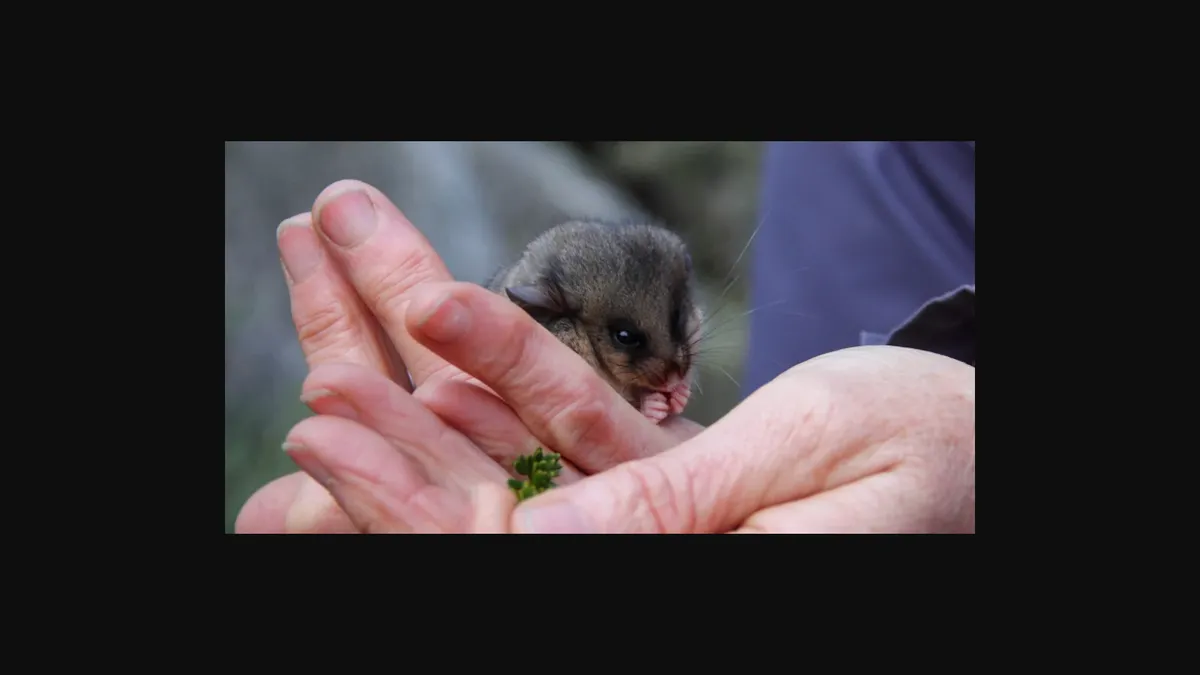
Hindson explained that they do weekly weight checks and record activity levels and food intake. She found it interesting to see the difference between an awake and a hibernating possum on the thermal camera. She added that any extra monitoring that doesn't disturb the nocturnal species is important for their well-being.