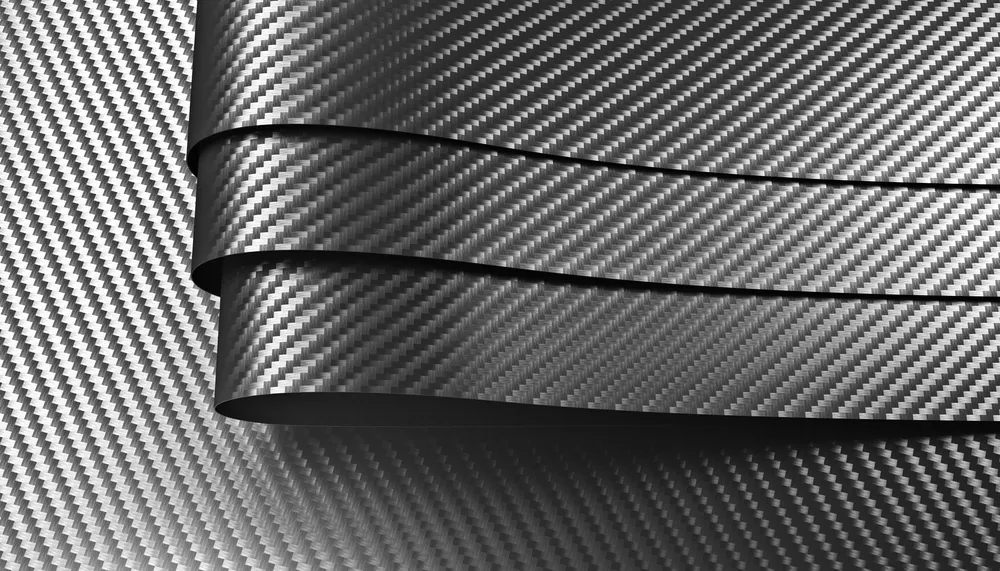
Paper mills and timber companies usually just toss out lignin, that woody bit left over after processing. Or, you know, burn it for energy. But a Finnish startup called Elementic looked at this byproduct and thought, "What if we could turn trash into a carbon-locking treasure?"
And just like that, MO6 was born. It's a wall-surfacing tile that's 90% carbon by chemistry — essentially a solid block of atmospheric CO2. Elementic claims each kilogram of MO6 stores about 2.4 kilograms of carbon dioxide. That's roughly double what wood can manage. The real kicker? Unlike wood, MO6 doesn't decay. The company says this carbon could stay locked away for thousands of years. Let that sink in.
How You Bake a Carbon-Negative Wall Tile
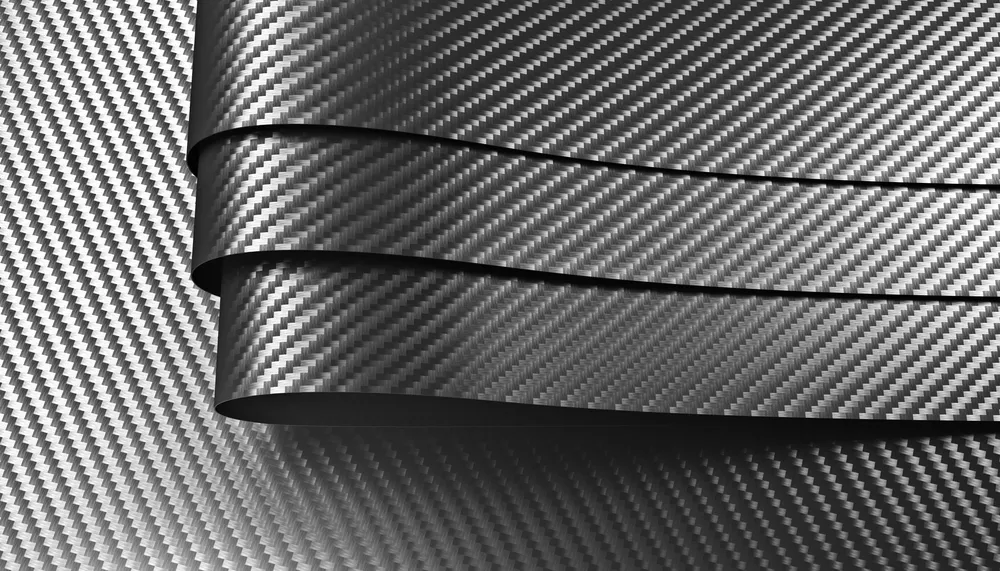
Elementic's exact recipe is a patented secret, naturally. But the general idea involves taking lignin and processing it in a bioreactor to strip out impurities, especially oxygen. Imagine a very high-tech, environmentally conscious baking show.
We're a new kind of news feed.
Regular news is designed to drain you. We're a non-profit built to restore you. Every story we publish is scored for impact, progress, and hope.
Start Your News DetoxJohanna Normiala, MO6's general manager, put it rather succinctly: "We take the lignin, we create a kind of dough that we bake like a cake, and in the end we get a hard, resistant, durable material but which is lightweight." So, basically, they're making a carbon cake that becomes a fire-resistant, durable, lightweight, off-black wall tile. Its thermal and acoustic properties are already comparable to wood, with promises of improvement.
Now, "carbon negative" isn't just a fancy buzzword. It means the material removes more carbon dioxide from the atmosphere than it produces throughout its entire lifecycle, from factory floor to eventual disposal. Most building materials are carbon positive, emitting more than they store. Timber is an exception, but even wood eventually decays or burns, releasing its stored carbon back into the atmosphere. MO6, however, is designed not to decay and to be recyclable, theoretically keeping that carbon out of circulation for millennia.

From Science Project to Spa Design
MO6 didn't just quietly debut in a lab. It launched its first collection, MO6 Eternal, at a design trade fair in Helsinki, positioning itself as a premium interior design brand. This move is rather clever. A product sold solely on its eco-credentials often appeals to a niche market. But a product that's a gorgeous design choice that also stores carbon? That opens doors to architects, hotel developers, and interior designers who might not otherwise prioritize sustainable materials. It’s like getting your cake and eating it too, but the cake is a wall tile.
MO6 is already making its way into projects, including a spa currently under construction in Paris. Normiala notes a focus on hotels and restaurants. Currently, it's pitched for dry indoor spaces, available in various finishes and coatings. But Elementic has bigger plans: bricks are next on the development list. That would transform MO6 from a chic interior finish into a structural material, massively expanding its potential in the construction world.
Of course, the patented, secretive process does raise an interesting question for the sustainability crowd: as green materials become increasingly valuable, how much knowledge gets locked behind intellectual property rather than being openly shared for the greater good? For now, Elementic has a product, a growing list of projects, and a rather compelling claim that could reshape how we build, one carbon-negative wall at a time.