The world, as it turns out, has two rather pressing problems: not enough homes and entirely too much plastic. An MIT spinout called Atlas Building Composites decided to tackle both with an AI-powered robotic system that transforms your discarded yogurt cups into, say, a house foundation.
Because apparently that's where we are now. And it's actually pretty brilliant.
Atlas emerged from MIT HAUS, a research project focused on sustainable architecture. Their party trick? They recycle plastic without water, then use large-scale 3D printing to churn out everything from home foundations and decks to the structural guts of walls, floors, and roofs.
A.J. Perez, Atlas chair and co-founder, put it rather bluntly: "Our mission is to convert waste plastic pollution into durable composites to build 1 billion homes." Which, for those keeping score, would require about a trillion pounds of plastic. Let that satisfying number sink in.
We're a new kind of news feed.
Regular news is designed to drain you. We're a non-profit built to restore you. Every story we publish is scored for impact, progress, and hope.
Start Your News DetoxTraditional building methods involve a whole lot of tree-chopping and earth-mining. Atlas aims to sidestep all that, instead turning plastic that would otherwise be heading for our oceans and landfills into something genuinely useful. They've already seen their plastic-fantastic parts used in barns, sheds, decks, and even docks.
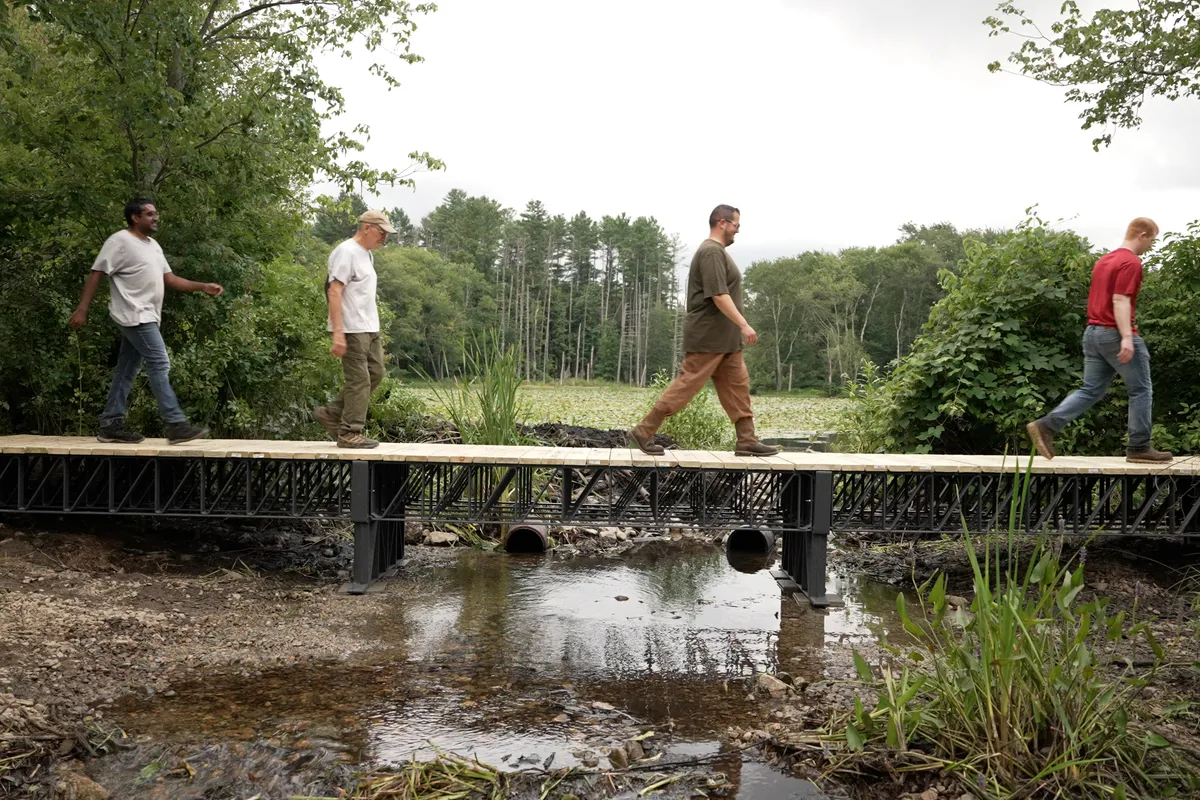
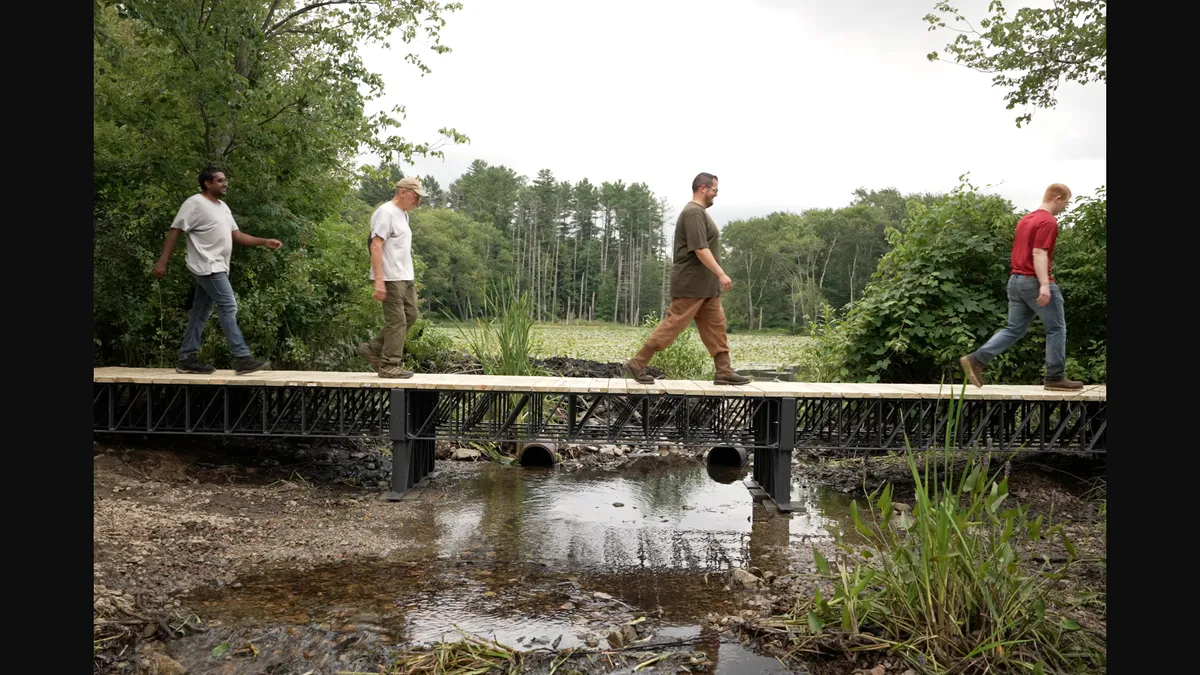
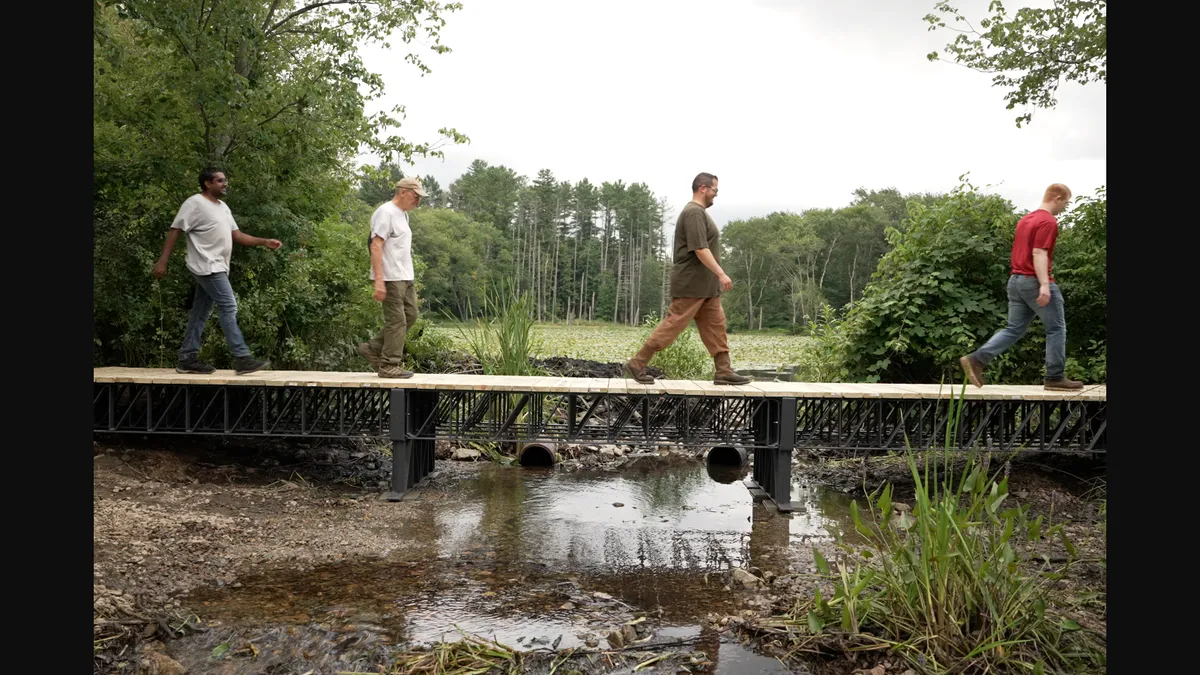
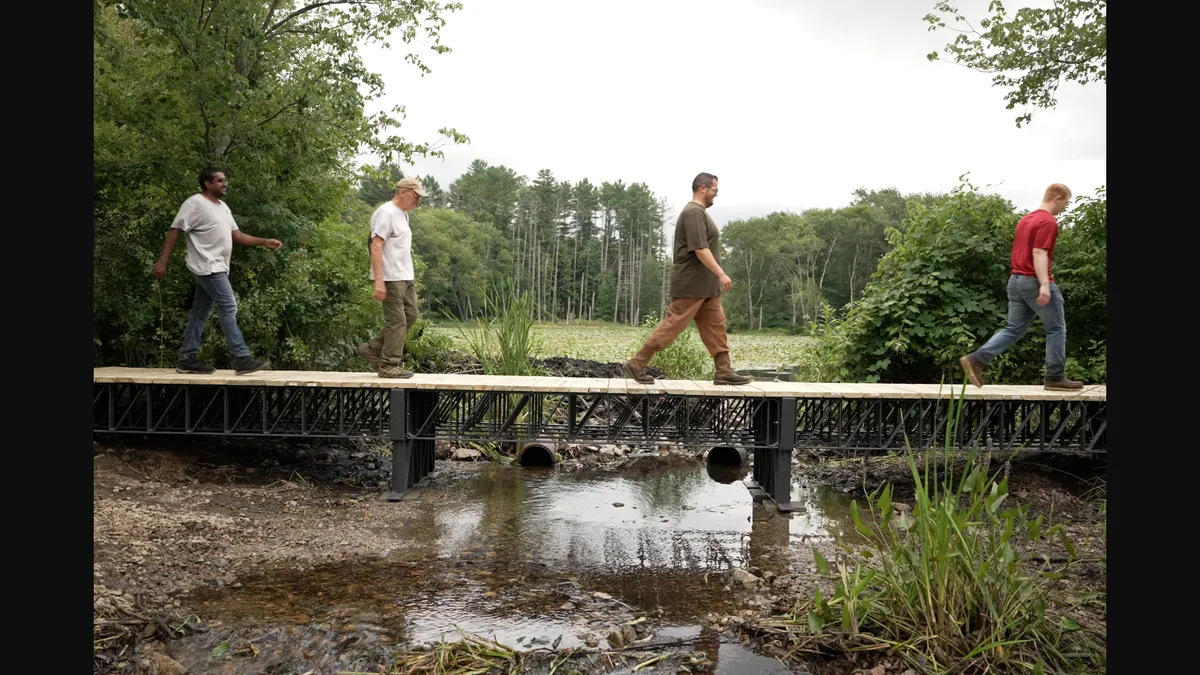
Most recently, they provided recycled composite trusses to the U.S. Army Corps of Engineers. The result? A 40-foot bridge in a Massachusetts wetland, built from what used to be someone's single-use plastic habit.
Your Old Milk Jugs, Now a Load-Bearing Wall
Perez and co-founder Matt Pouliot plan to deploy thousands of their AI robotic production systems globally. The secret sauce is their ability to recycle even low-grade plastic without water, which Perez believes "democratizes recycling."
Suddenly, countries with limited water access can process their own plastic waste. It also conveniently simplifies the permitting process for new recycling facilities, because who needs a giant water-guzzling plant when you can just melt plastic?
Perez started MIT HAUS in 2019, initially aiming to produce a billion homes over 30 years. He quickly realized the materials needed would break global supply chains. Building conventionally would mean doubling concrete production and accelerating deforestation. Which is when the lightbulb went off: housing problem, meet plastic pollution problem. He met Pouliot, they founded Atlas, and the Atlas Factory Stack — a robotic manufacturing platform — was born.
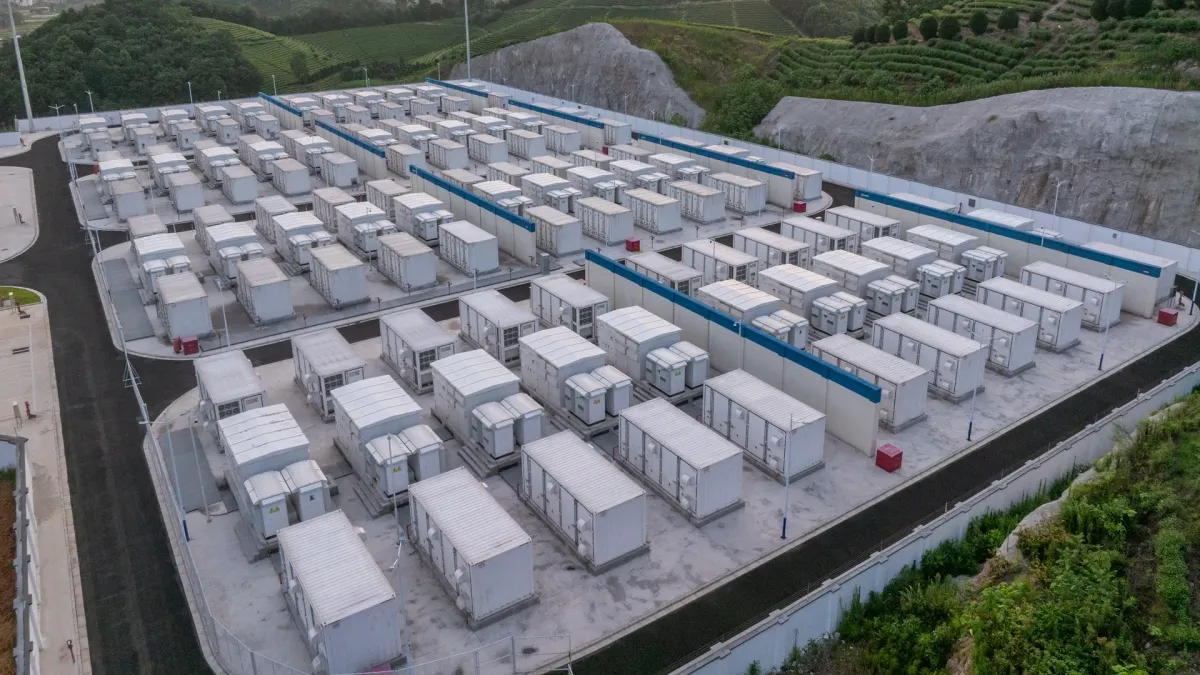
The process is straightforward enough: single-use plastic gets shredded, melted, and then fortified with American-made fiberglass. This makes it stronger than wood. Then, a large-scale 3D printer gets to work, extruding building parts that look suspiciously like future homes.
MIT research showed these large composite trusses can be printed in under 13 minutes and can support over 4,000 pounds — handily exceeding building standards. Atlas factories, they say, can pump out 150 to 200 pounds of parts per hour. This whole setup is more flexible and potentially cheaper than traditional injection molding, which is a phrase that probably makes construction workers perk up.
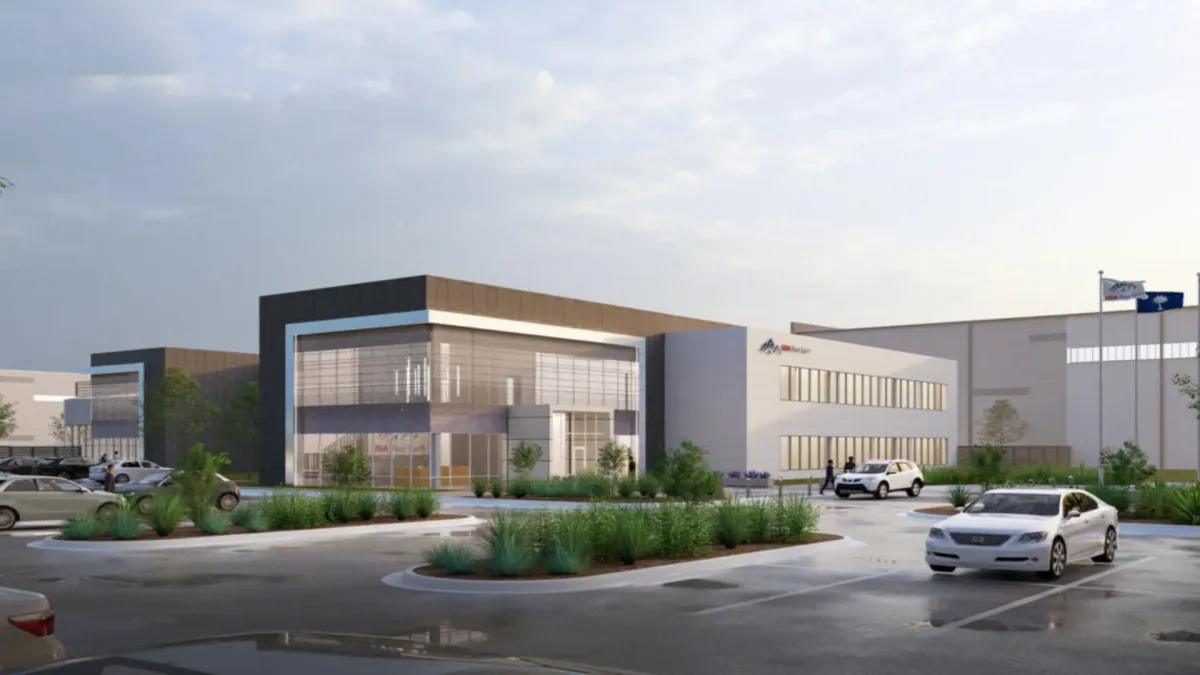
Atlas isn't looking to be the world's biggest home builder, but rather a tech provider. They want to enable localized home factories, churning out structural framing for about one small home per day, close to where those homes are actually needed. Local jobs, local materials, reduced carbon footprint. It all sounds rather sensible.
A Bridge to a Plastic-Free Future (Literally)
Plastic, it turns out, lasts a whole lot longer than wood, especially when it's chilling in the ground or submerged in water. This is where the environmental benefits really stack up.
As Pouliot explained, once plastic is in a building, it's there for a very long time. It doesn't need to be repeatedly recycled, which can degrade the material. He calls it one of the most sustainable uses for recycled petrochemical products. Your old plastic bottle, living its best life as a load-bearing beam for a century.
The Army Corps of Engineers bridge was installed in less than a day, which is probably faster than assembling some IKEA furniture. Atlas is now eyeing global partnerships to deploy their Factory Stacks far and wide.
Perez envisions a future where every country uses Atlas Factory Stacks to create local recycling, factory, and construction jobs, stimulating local economies with local materials. Because if we're going to have a plastic problem, we might as well live in it.