Picture this: a marine biologist, Yehudi Rodríguez, elbow-deep in a fishing net, working with commercial sailors to free a massive black devil ray. This wasn't some dramatic rescue operation against rogue poachers. This was a Tuesday morning near Chepillo Island in Panama Bay, and it's how Panama is quietly becoming a surprising leader in shark and ray conservation.
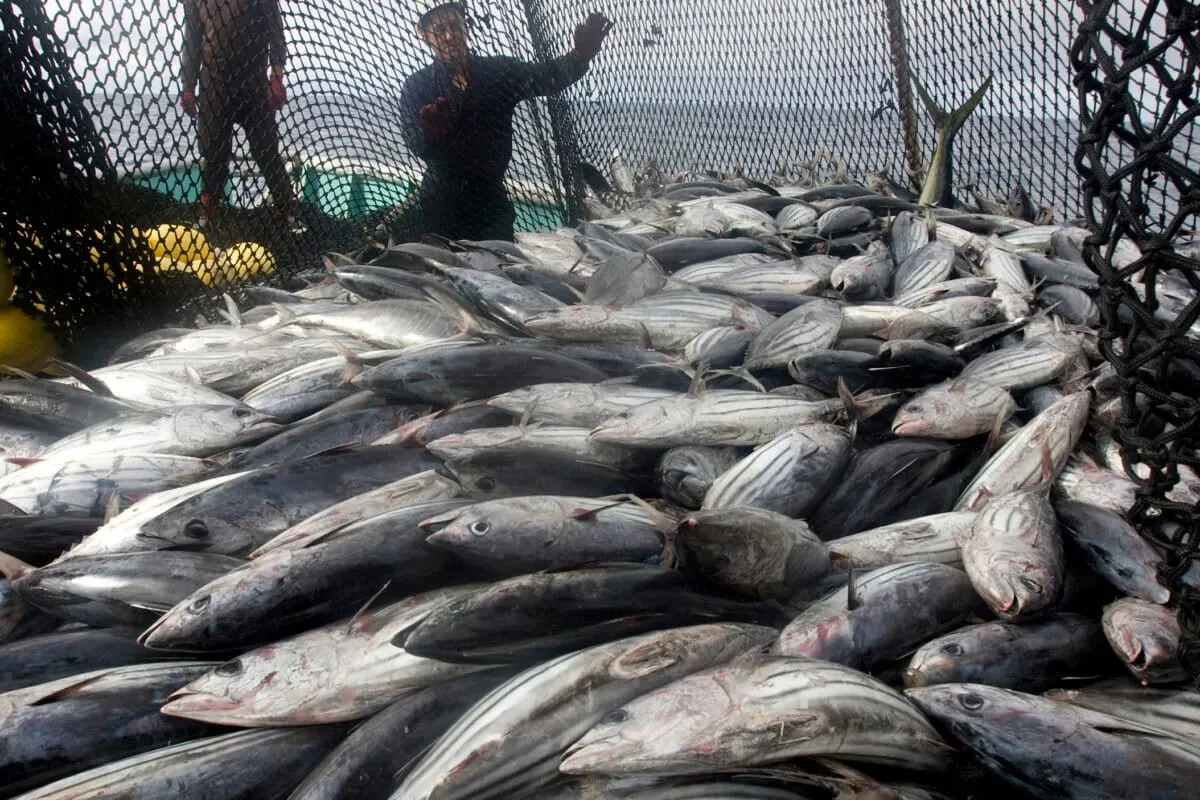
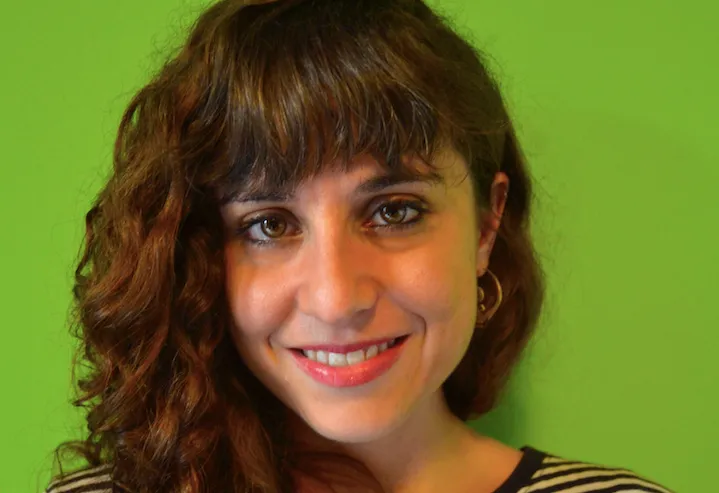
Rodríguez, a biology professor and head of the Shark Defenders NGO, regularly hops aboard vessels from Promarina S.A., a Panamanian company that usually turns small fish into fish oil. Her mission? To tackle "bycatch" — all the marine life unintentionally swept up in nets meant for sardines and herring. Basically, she's the designated hero for anything with gills that isn't supposed to be there.
The Unlikely Alliance
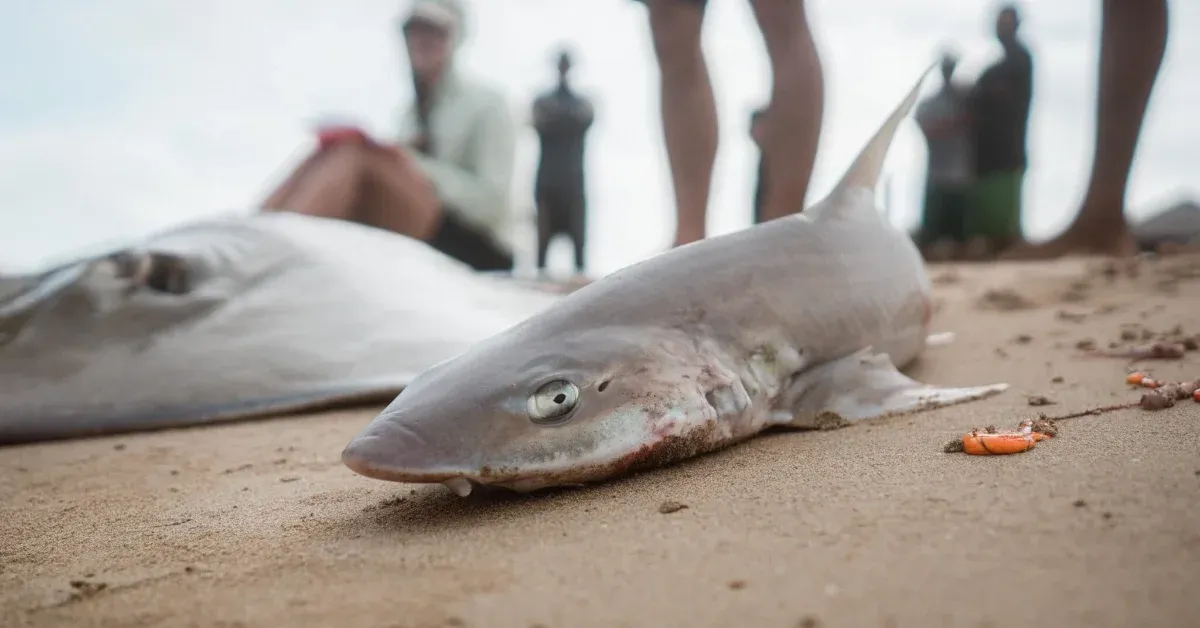
Every two weeks, Rodríguez is out there, untangling sharks, rays, and other accidental catches. She's not just freeing them; she's collecting crucial data: location, species, condition. Imagine wrestling a 220-pound devil ray out of a net, then carefully avoiding its venomous barb with the help of an 18-year-old sailor named Hermes. That's a day at the office.
We're a new kind of news feed.
Regular news is designed to drain you. We're a non-profit built to restore you. Every story we publish is scored for impact, progress, and hope.
Start Your News DetoxThis isn't just about good vibes; it's about smart science and pragmatic partnerships. Instead of an adversarial relationship, scientists and fishers are working together. The fishers get a healthier ecosystem (which, you know, is good for fishing), and the researchers get invaluable access to data and a direct impact on conservation. It's a win-win that's making waves, proving that sometimes, the best way to save a creature is to team up with the very people who might accidentally catch it.