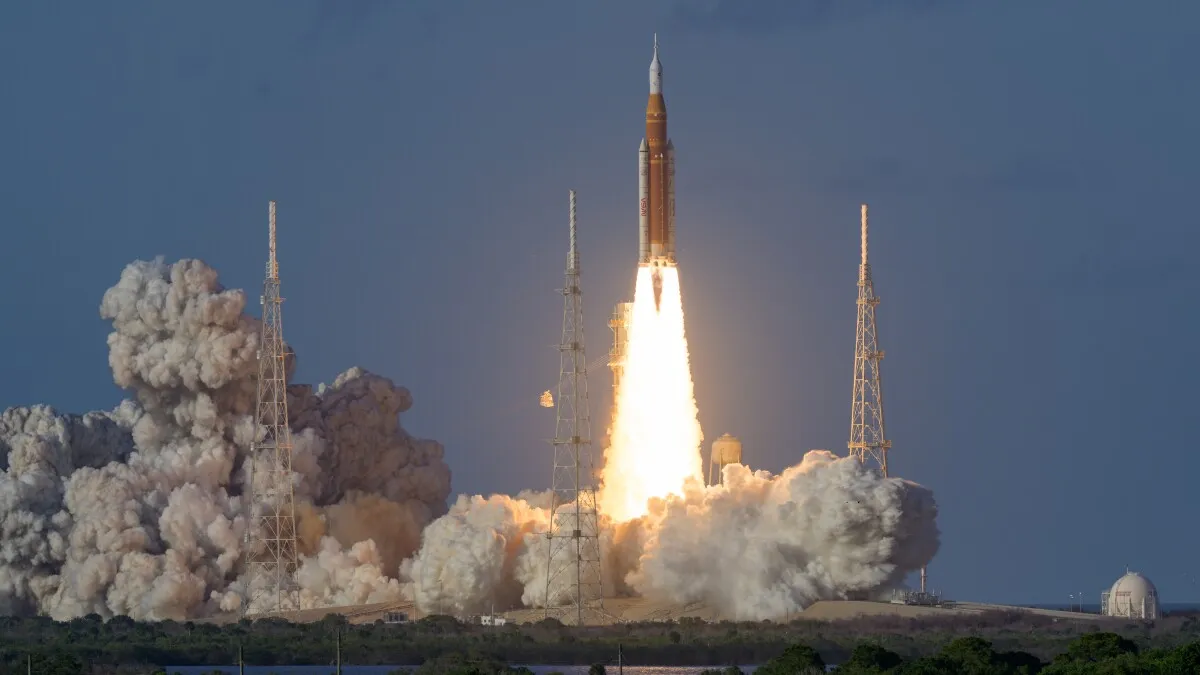
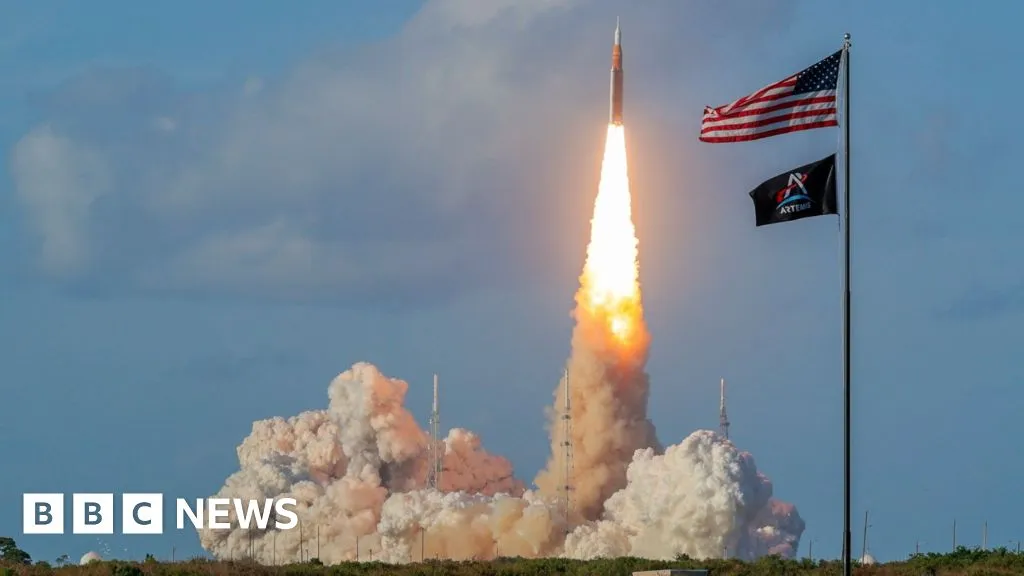
Well, it finally happened. NASA just launched four astronauts on the Artemis II mission, marking humanity's first return trip around the Moon in over half a century. Let that satisfying number sink in.
After 50 years of lunar silence, the crew is now strapped into the mighty SLS (Space Launch System) rocket and Orion spacecraft for a 10-day test flight. Their destination? A quick lap around our celestial neighbor and then, hopefully, back to Earth.
The whole shebang lifted off from Launch Pad 39B at Kennedy Space Center in Florida. NASA Administrator Jared Isaacman called it a "defining moment" for exploration, noting that Artemis II isn't just a nostalgic trip down memory lane, but a new chapter in lunar exploration, with plans for a Moon Base eventually. Because apparently, that's where we are now.
We're a new kind of news feed.
Regular news is designed to drain you. We're a non-profit built to restore you. Every story we publish is scored for impact, progress, and hope.
Start Your News DetoxMeet the Crew (and the Mission)
The intrepid team includes NASA's Reid Wiseman, Victor Glover, and Christina Koch, alongside CSA (Canadian Space Agency) astronaut Jeremy Hansen. This isn't just a joyride; it's the first crewed flight in NASA’s Artemis program, and its main goal is to thoroughly test critical systems – like, say, life support – with actual humans onboard. These tests are crucial for future missions that aim to establish a lasting human presence on the Moon and, eventually, send crews to Mars. Which, if you think about it, is both impressive and slightly terrifying.
Almost immediately after punching through the atmosphere, Orion unfurled its solar array wings, because even in space, you need to keep the lights on. The crew and ground teams then got down to business, checking critical systems and getting the spacecraft settled into normal flight operations.
NASA Associate Administrator Amit Kshatriya made it clear: this is a test flight. They built and prepped this vehicle for the crew to push its limits. Over the next 10 days, the astronauts will put Orion through its paces, ensuring future crews can confidently touch down on the Moon's surface.
The Grand Tour (and Some Science)
Roughly 49 minutes post-liftoff, the rocket’s upper stage gave Orion a gentle nudge into an elliptical orbit around Earth. A second burn will then send the spacecraft, aptly named "Integrity," into a high Earth orbit, stretching a cool 46,000 miles beyond the planet. After that, Orion will wave goodbye to the stage.
Speaking of goodbyes, part of the rocket will also release four tiny CubeSats from Argentina, Germany, Korea, and Saudi Arabia. These little guys will be conducting their own scientific studies and tech tests, because why waste a good launch?
Orion will hang out in high Earth orbit for about a day, where the astronauts will perform a manual piloting demonstration to see how well the spacecraft handles. They'll also continue their system inspections with Mission Control in Houston, who probably have a lot of coffee on hand.
If all goes according to plan (and here's hoping), Orion’s European-built service module will perform the translunar injection burn. This six-minute maneuver will slingshot the spacecraft around the Moon and back toward Earth, leveraging the Moon’s gravity like a cosmic rubber band.
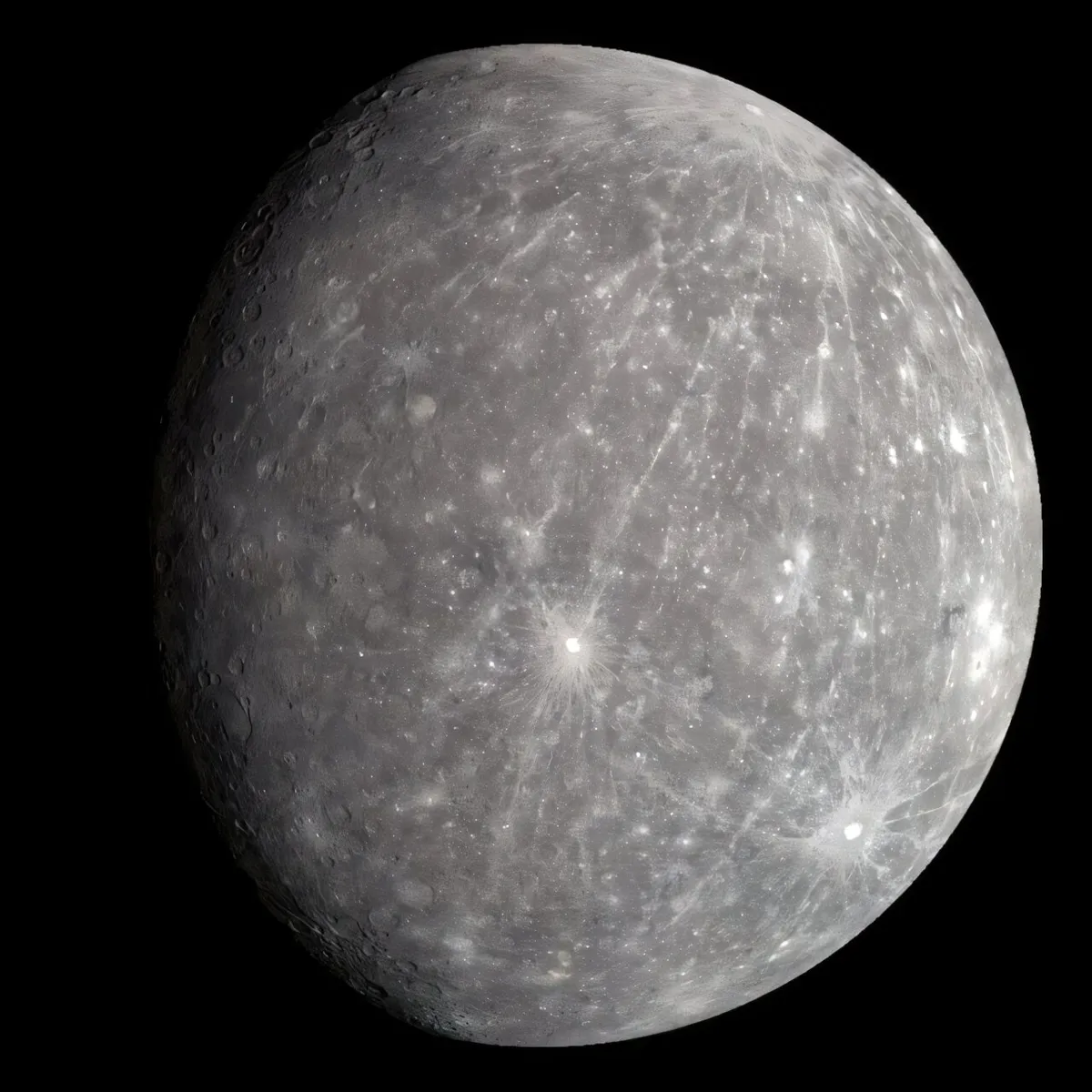
During its multi-hour lunar flyby, the astronauts will snap photos and observe the lunar surface, including parts of the far side that few eyes have ever seen. The far side will be partially lit, making features like ridges and crater edges easier to study. They'll also run various health and science investigations to support future missions. You know, just in case.
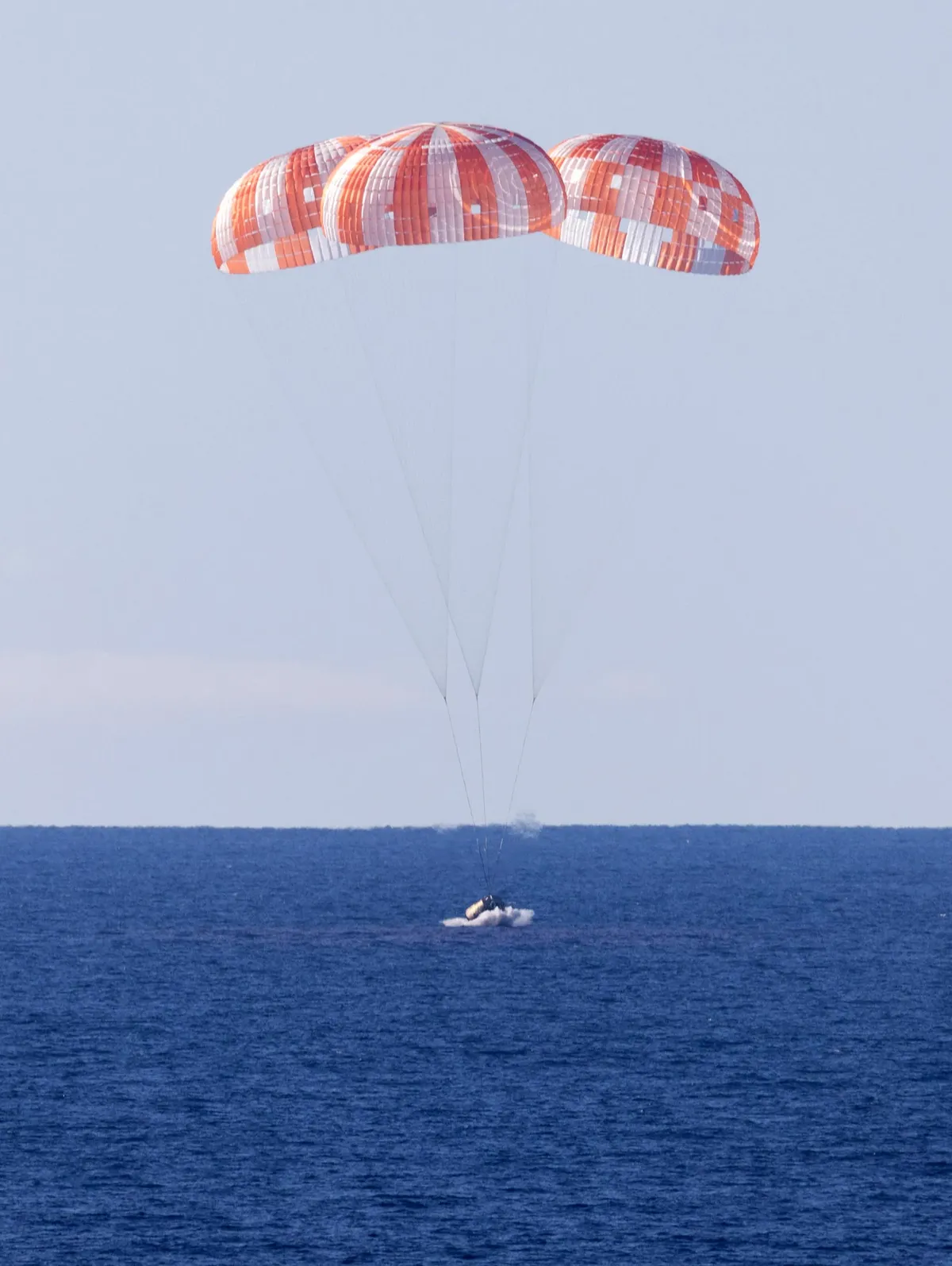
After its scenic route around the Moon, Orion will head back home, ending its journey with a splashdown in the Pacific Ocean. Because nothing says "mission accomplished" like a good old-fashioned ocean landing. This whole endeavor is part of a larger plan to expand human exploration, leading to more complex lunar missions and, eventually, those first crewed missions to Mars. So, if you've been waiting for humanity to get off this rock, things just got a whole lot more interesting.