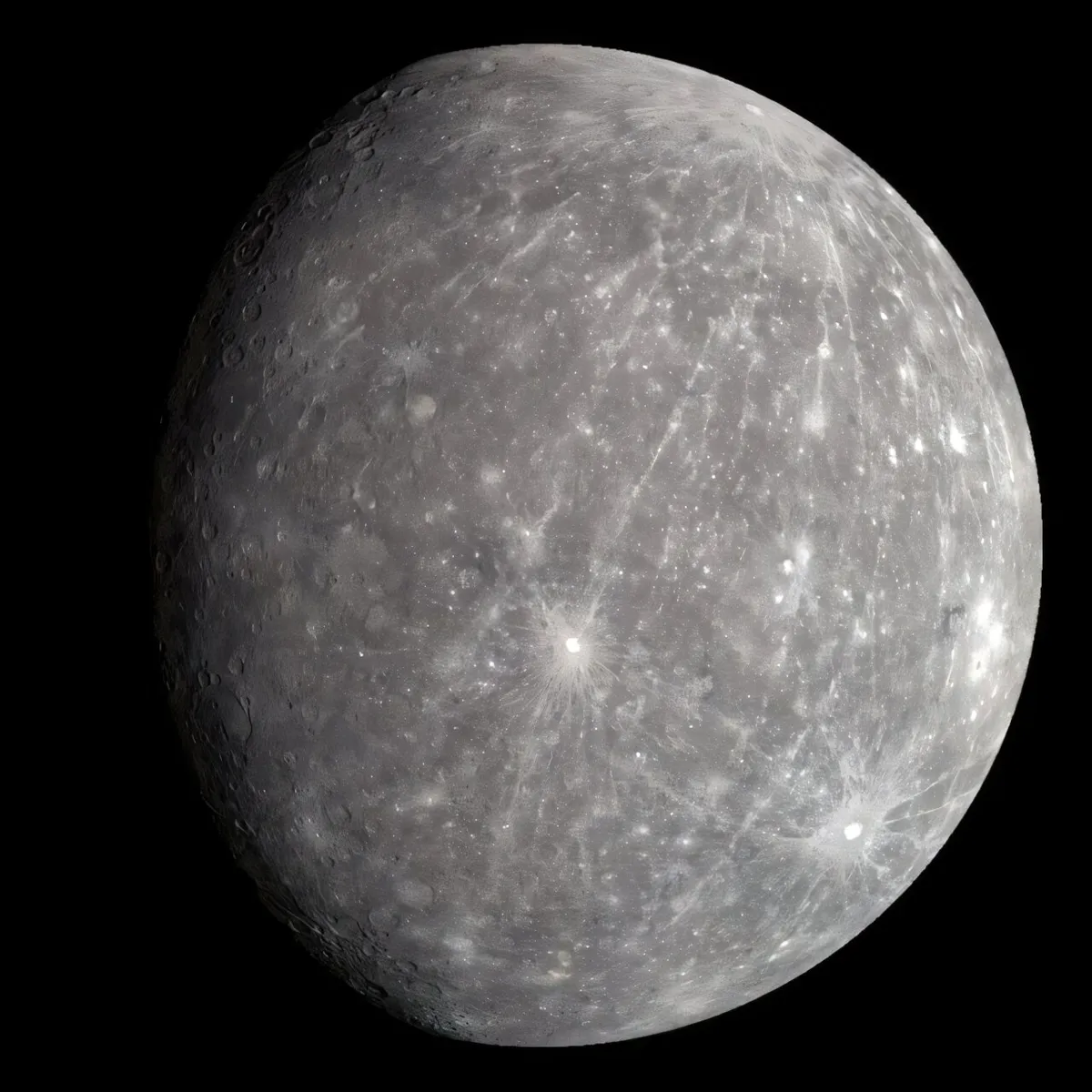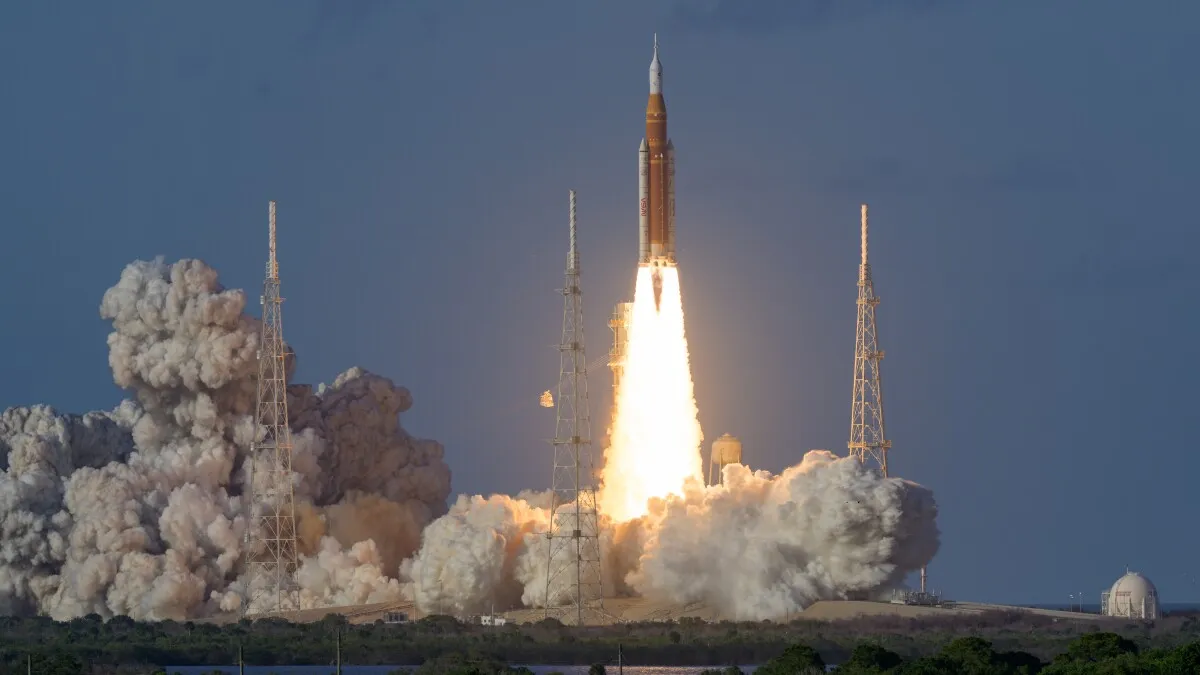
Humanity has taken its first step back to the Moon after 53 years. The US Artemis II mission lifted off from Florida's Kennedy Space Center at 6:35 PM EDT. Four astronauts are aboard for this journey around the Moon.
The Space Launch System (SLS) rocket carried the Orion spacecraft. NASA astronauts Reid Wiseman, Victor Glover, and Christina Koch are on board. Canadian Space Agency astronaut Jeremy Hansen also joined them. The rocket launched smoothly, reaching maximum pressure at one minute and 10 seconds.
The solid rocket boosters then separated. The core stage separated from the Interim Cryogenic Propulsion Stage (ICPS) at eight minutes and 15 seconds.
We're a new kind of news feed.
Regular news is designed to drain you. We're a non-profit built to restore you. Every story we publish is scored for impact, progress, and hope.
Start Your News DetoxJourney to the Moon and Back
The Orion spacecraft, still with the ICPS, performed two orbital correction burns. The first was 51 minutes into the flight, and the second at the two-hour mark. Orion then separated from the ICPS at three hours and 23 minutes. It will now orbit Earth while systems are checked.
If all checks are successful, Orion will use its main engine. This will happen 25 hours after launch for a Translunar Injection (TLI) Burn. This burn will set its course for the Moon. The spacecraft and crew will then fly around the Moon on Mission Day 5. They will then return to Earth for a splashdown in the Pacific Ocean on Day 10.
This mission is a big step for America's Artemis program. The goal is to have a permanent human presence on the Moon within the next decade. This is also the first crewed flight of NASA's largest rocket ever built.
The mission has faced some challenges. There have been years of delays and high costs. Safety concerns also arose about Orion's life support system and its heat shield. The heat shield protects astronauts when they return to Earth.
In a recent update from NASA, Orion's toilet is reportedly broken.
Deep Dive & References: NASA Live Updates - NASA, 2026