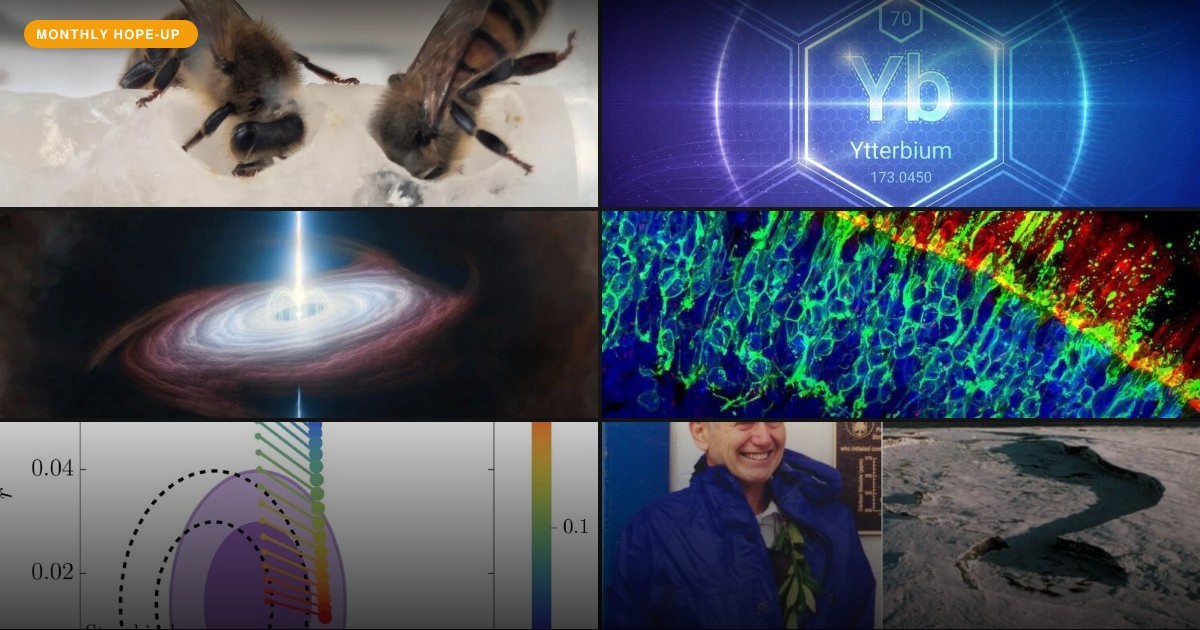
March arrived, shook out its scientific notebooks, and proceeded to fill them with discoveries that felt less like incremental steps and more like full-blown re-imaginings. From the deepest reaches of space to the very fabric of our bodies, this month delivered a masterclass in how much we still don't know, and how thrilling it is to find out.
The Universe, Unpacking Itself
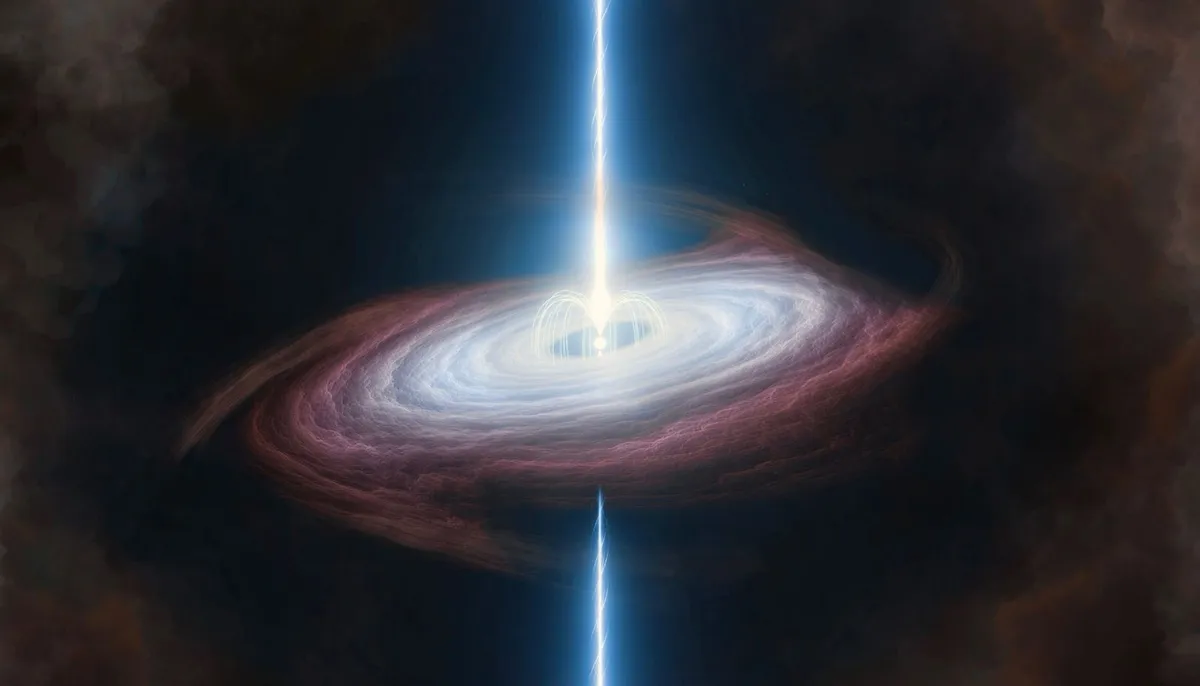
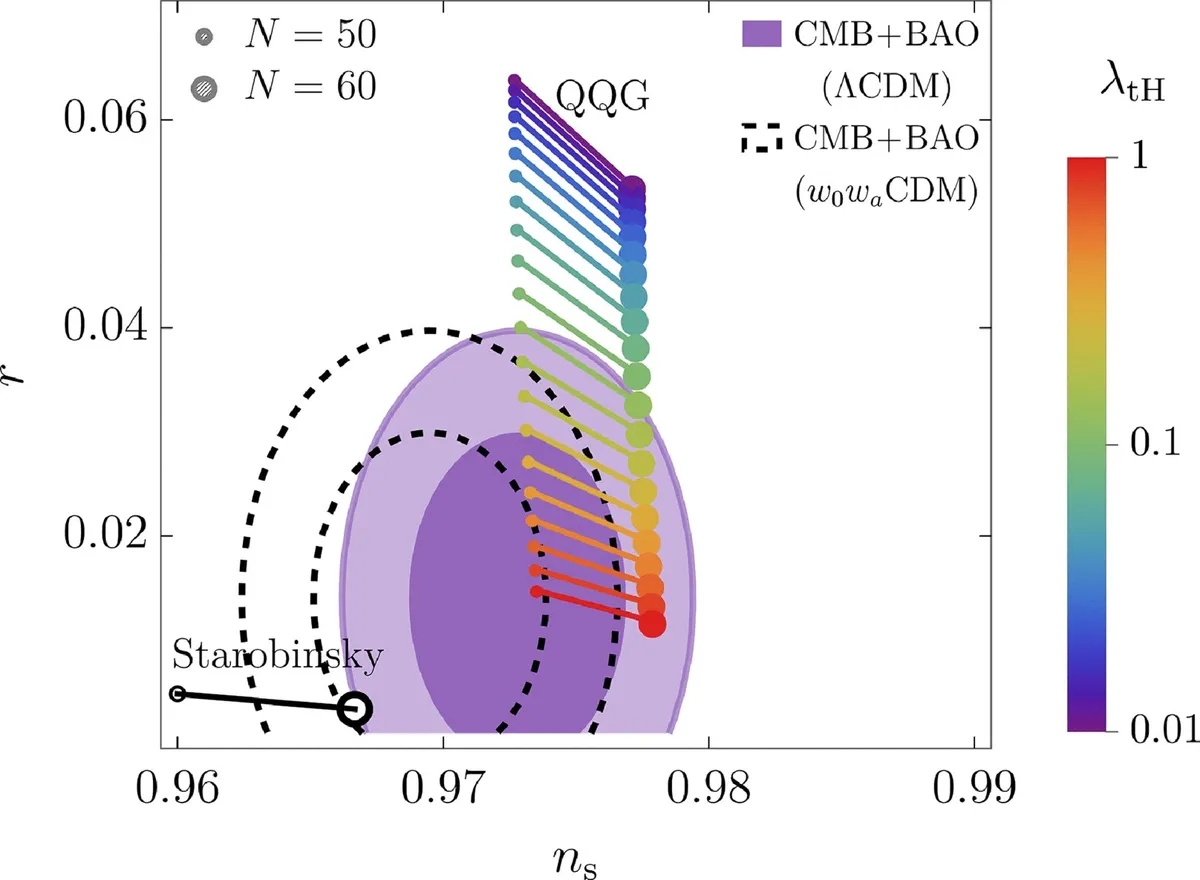
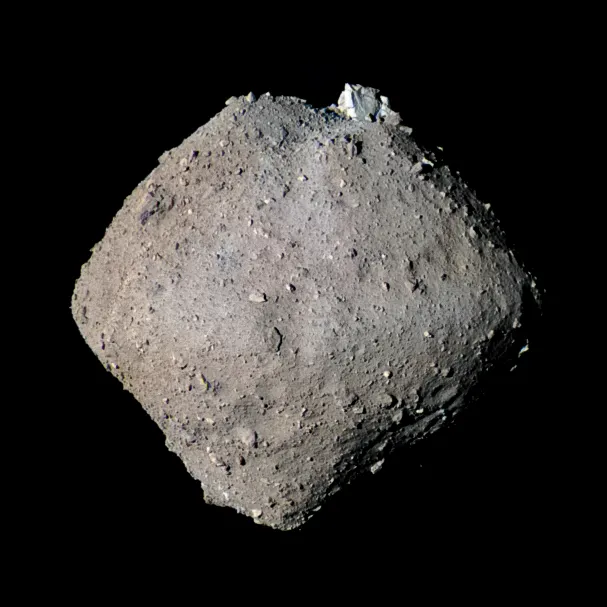
It seems the cosmos decided March was the month for grand reveals, making even the most seasoned astronomers raise an eyebrow. We learned that the Big Bang's Wild Expansion Might Be Simpler Than We Thought, which is certainly a relief for anyone still trying to wrap their head around it. And speaking of cosmic origins, the detection of All five building blocks of DNA just found in an asteroid sample from Ryugu wasn't just interesting; it was a cosmic mic drop, suggesting life's raw materials weren't unique to Earth. It makes one wonder what else is floating around out there, or perhaps, what was floating around out there. Then, just to keep us humble, astronomers finally watched a magnetar being born in real time, witnessing the spectacular birth of one of the universe's most powerful objects. These aren't just isolated observations; they're pieces of a much larger, increasingly coherent puzzle about how everything came to be.
Biology's Bold New Blueprint
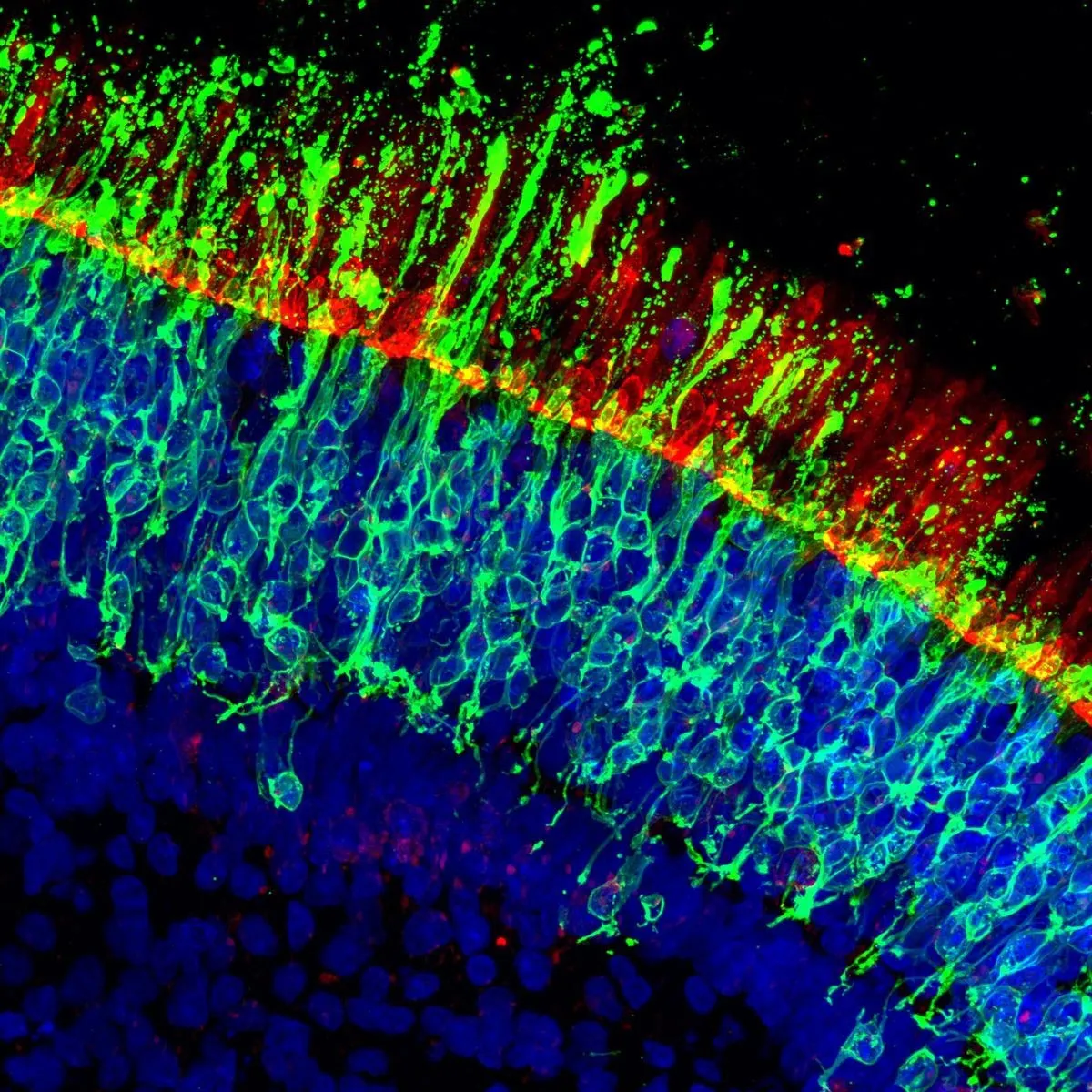
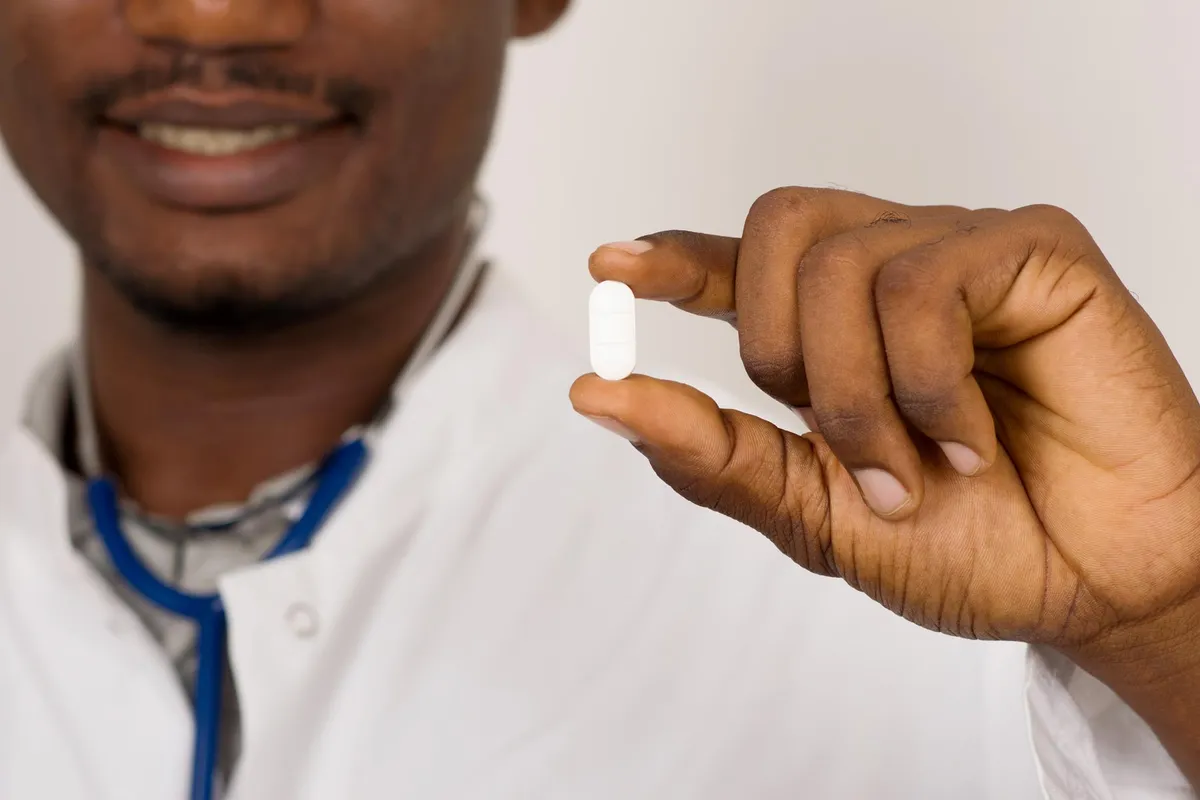
Closer to home, the sheer ingenuity applied to biological challenges was nothing short of remarkable. For diabetics, the prospect of ditching daily injections felt a step closer as scientists just cracked the code for an insulin pill, a long-sought holy grail. It's a reminder that sometimes, the biggest breakthroughs are about making life a little less burdensome. But perhaps the most profound shifts came from understanding life's fundamental code. We discovered Our DNA has a secret second layer controlling how genes work, hinting at a complexity that makes our current understanding seem quaint. And then, in a move that felt almost like a sci-fi plot twist, scientists just made a bee superfood — and colonies exploded 15 times over. It's not just about saving bees; it's about demonstrating our capacity to understand and augment life at its most fundamental level, with potentially enormous implications for ecosystems and agriculture alike.
We're a new kind of news feed.
Regular news is designed to drain you. We're a non-profit built to restore you. Every story we publish is scored for impact, progress, and hope.
Start Your News Detox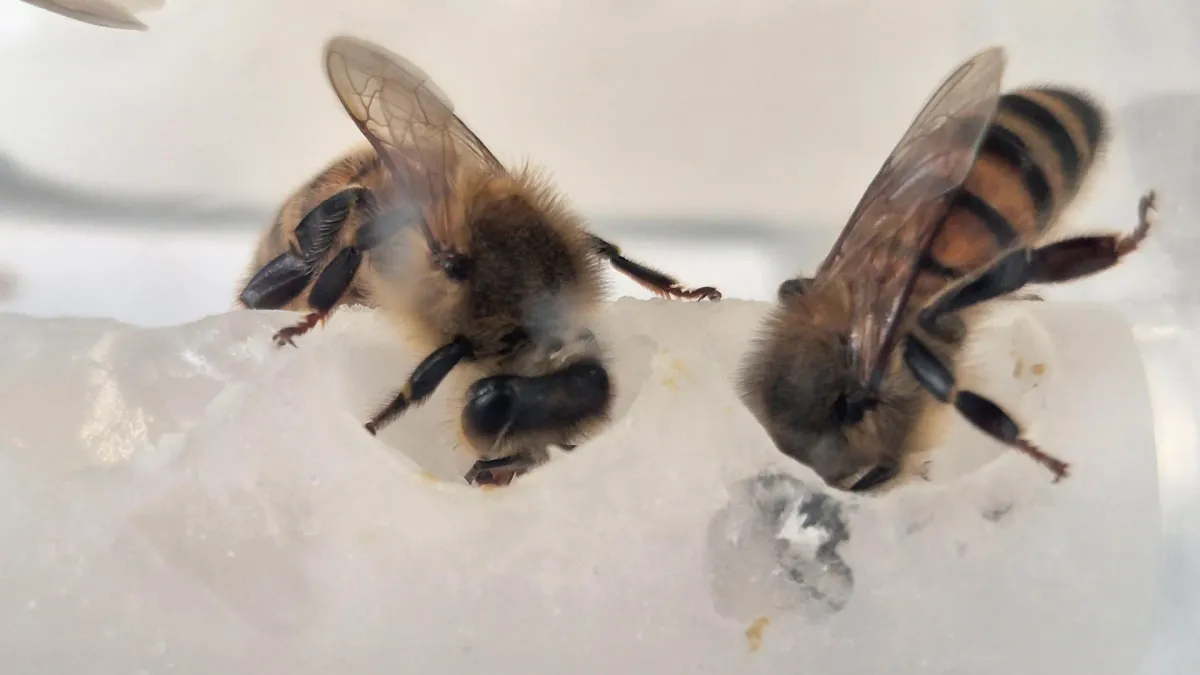
The Early Warning System Gets an Upgrade
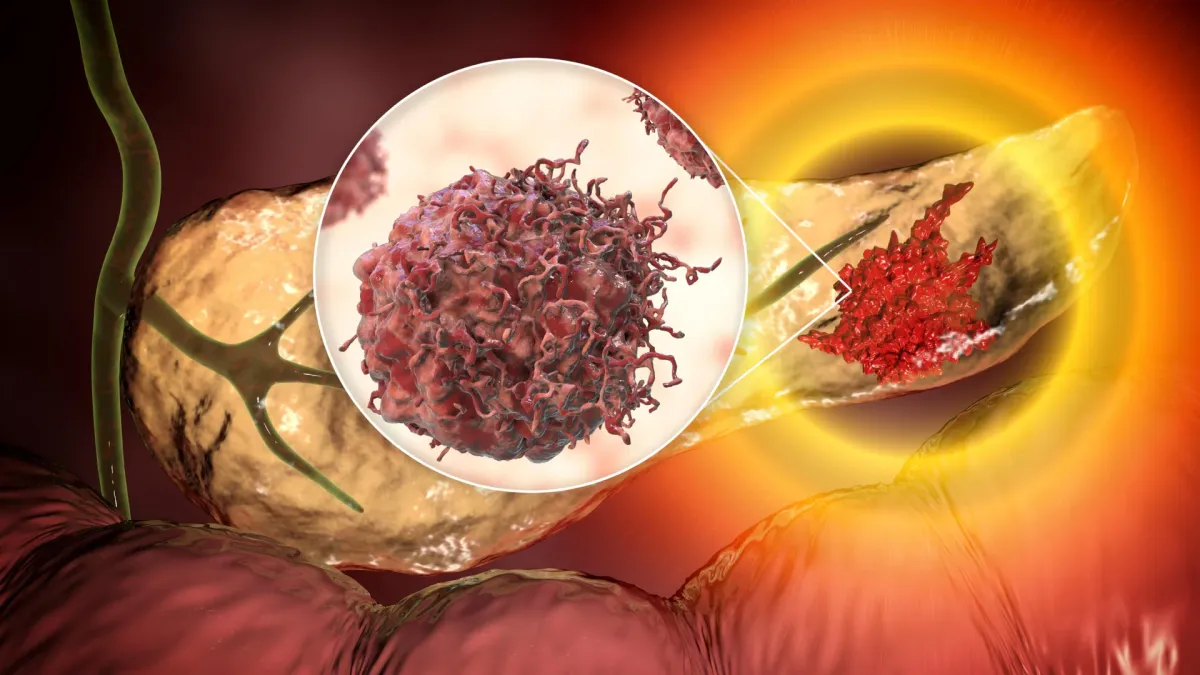
March also saw a significant leap in our ability to detect disease long before it takes hold. The recurring theme? Simplicity and speed. Imagine catching pancreatic cancer, one of the deadliest forms, early enough to make a real difference. A new blood test finds pancreatic cancer early, boosting survival chances, offering a much-needed glimmer of hope. Similarly, the specter of dementia, which looms large for so many, might be spotted years in advance with A Simple Blood Test Can Spot Dementia Risk Decades Before Symptoms Show Up. And for Alzheimer's, a disease that currently offers little recourse, A Simple Nasal Swab Could Spot Alzheimer's Years Before Symptoms Start. These aren't just diagnostic tools; they're potential game-changers, offering the chance for intervention, preparation, and perhaps, eventually, prevention. They speak to a future where we're not just reacting to illness, but anticipating it, armed with better information than ever before.
This March, the narrative wasn't just about discovery, but about the profound implications of that discovery. From reshaping our view of the universe to literally rewriting the rules of life and health, it was a month that reminded us that the biggest questions often yield the most unexpected answers, and that the future is always, inevitably, stranger and more hopeful than we imagine.