Get this: scientists now think life might be thriving on moons that orbit planets not around a star. We're talking about planets just floating through deep space, and their moons could have liquid water for ages.
A team from Germany just figured out these "rogue planet" moons could keep their oceans warm for up to 4.3 billion years. That's almost as long as Earth has been around. The secret? Super dense hydrogen atmospheres and constant squeezing from tides.
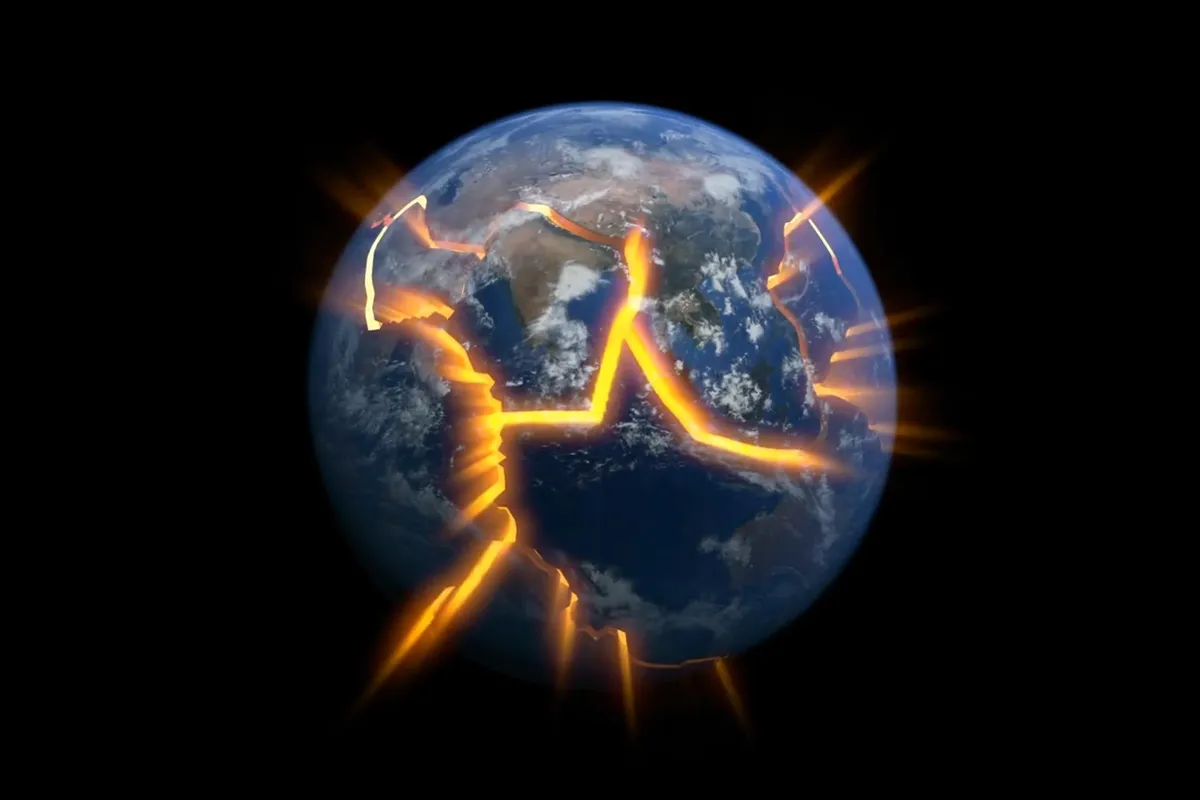
See, young planets sometimes get too close to each other. Their gravity can then boot one of them right out of its home star system. These are called free-floating planets (FFPs), and they just drift through the galaxy. But here's the cool part: some of them can actually hang onto their moons.
We're a new kind of news feed.
Regular news is designed to drain you. We're a non-profit built to restore you. Every story we publish is scored for impact, progress, and hope.
Start Your News DetoxHow These Moons Stay Warm
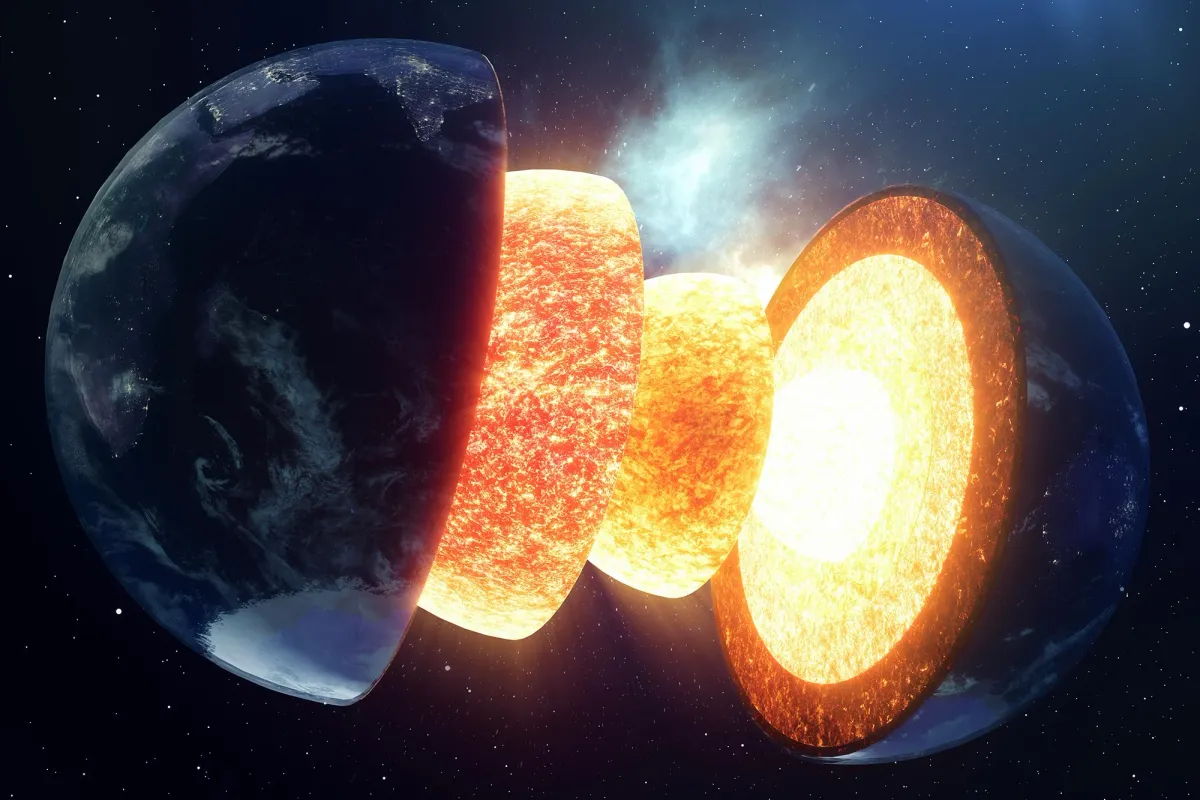
When a moon gets ejected, its path around the planet gets super stretched out. This means it's constantly moving closer and farther away. That creates strong tidal forces, which basically squeeze and stretch the moon over and over. This friction inside the moon creates heat, a lot like rubbing your hands together.
That internal heat can be enough to keep oceans liquid, even in the freezing cold of space with no sunlight. But there's a catch: the heat needs to stay inside the moon. On Earth, carbon dioxide helps trap heat. But in deep space, it would just freeze solid.
So, the researchers looked at atmospheres packed with hydrogen. Normally, hydrogen isn't great at trapping heat. But under high pressure, when hydrogen molecules bump into each other, they can briefly form structures that do absorb and hold heat. And unlike carbon dioxide, hydrogen stays stable in extreme cold. It's like a perfect insulating blanket.
This whole idea also gives us a peek into how life might start. One of the lead scientists, David Dahlbüdding, thinks life might not need a sun at all. He even sees a connection between these distant moons and early Earth. Back then, tons of hydrogen from asteroid impacts might have created the right conditions for life to spark.
And those tidal forces? They might do more than just heat things up. That constant squeezing could create "wet-dry cycles" — water evaporating and then condensing again. These cycles are thought to be super important for making complex molecules, which are key steps toward life itself.
Here's the kicker: free-floating planets might be incredibly common. Some estimates say there could be as many of them as there are stars in our galaxy. If even some of them have moons, that means stable places for life could exist in the darkest corners of space for billions of years. Seriously cool stuff.