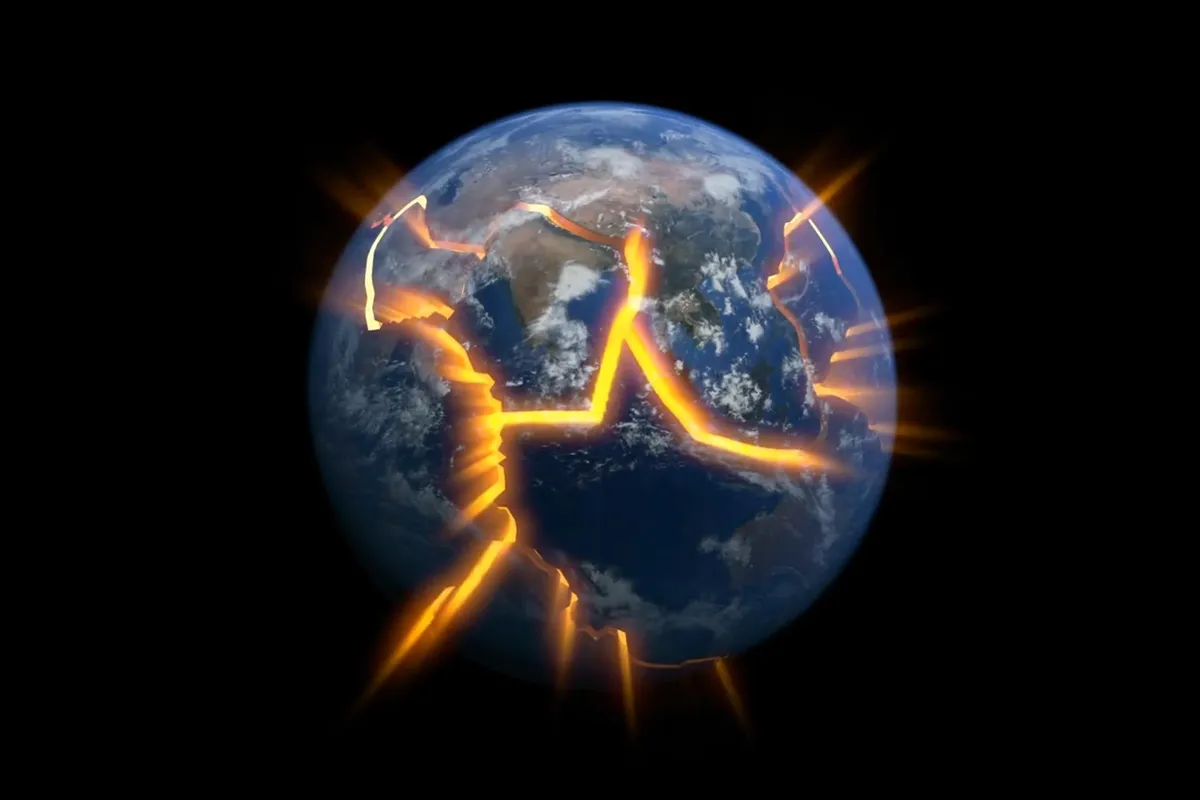
Turns out, Earth's continents were already on the move 3.5 billion years ago. That's way earlier than many scientists believed, completely rewriting the planet's origin story. It means our world was shaping up much faster than previously imagined.
For a long time, researchers debated when Earth's giant landmasses first started sliding around. Was it right after the planet formed 4.5 billion years ago, or did it take a lot longer to get going?
New evidence from Harvard scientists found the oldest direct proof of this plate motion. They discovered that these moving plates were already busy sculpting Earth's surface, even if they weren't quite doing it like they do today.
We're a new kind of news feed.
Regular news is designed to drain you. We're a non-profit built to restore you. Every story we publish is scored for impact, progress, and hope.
Start Your News DetoxAncient Rocks Spill Earth's Secrets
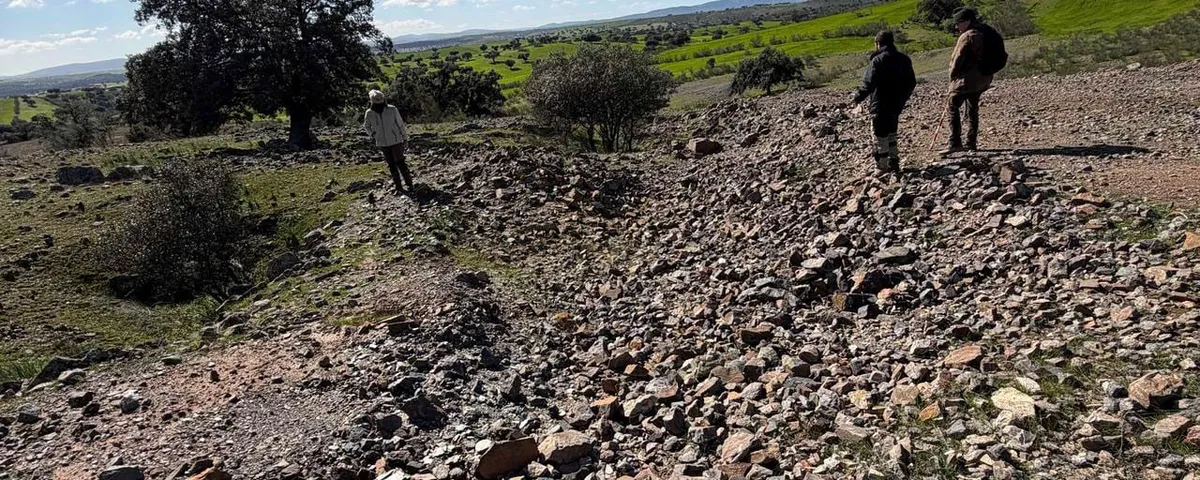
The breakthrough came from rocks in western Australia's Pilbara Craton. This spot is a treasure trove of super old, well-preserved rocks. We're talking about rocks from the Archean Eon, a time when Earth was still getting smacked by space rocks and early life was just starting out.
Roger Fu, a Harvard professor, and his team have been digging into this region since 2017. They use something called paleomagnetism. It's like reading ancient compasses embedded in rocks to figure out where those landmasses were positioned billions of years ago.
Think of it: tiny magnetic signals trapped in minerals act like GPS trackers from the deep past. By studying these signals, scientists can see how far and in what direction continents drifted.
For this study, they drilled out over 900 rock samples from more than 100 different spots in an area called the North Pole Dome. Yes, that's really what it's called!
Back in the lab, these samples were sliced up and put into a special machine that can detect magnetic signals 100,000 times weaker than a regular compass. They heated the rocks until their magnetic memory was revealed. This whole process took about two years.
What they found was pretty wild. A section of the East Pilbara formation moved from 53 degrees latitude to 77 degrees latitude over just 30 million years. That's like it drifted tens of centimeters each year for millions of years, and even spun around more than 90 degrees!
This is a huge deal because it rules out the idea that early Earth was just one giant, unbroken shell. Instead, it was already broken into pieces that could move, much like today's Earth, though perhaps not as quickly or consistently. This makes Earth unique among rocky planets.
A Magnetic Flip-Flop
And get this: the team also found the oldest known case of Earth's magnetic field flipping. That's when a compass would point south instead of north. It's a phenomenon caused by molten iron churning deep inside our planet.
Today, these flips happen every few hundred thousand years. But 3.5 billion years ago? They seemed to happen much less often. This suggests Earth's core might have been operating a bit differently back then, adding another fascinating twist to our planet's early biography.