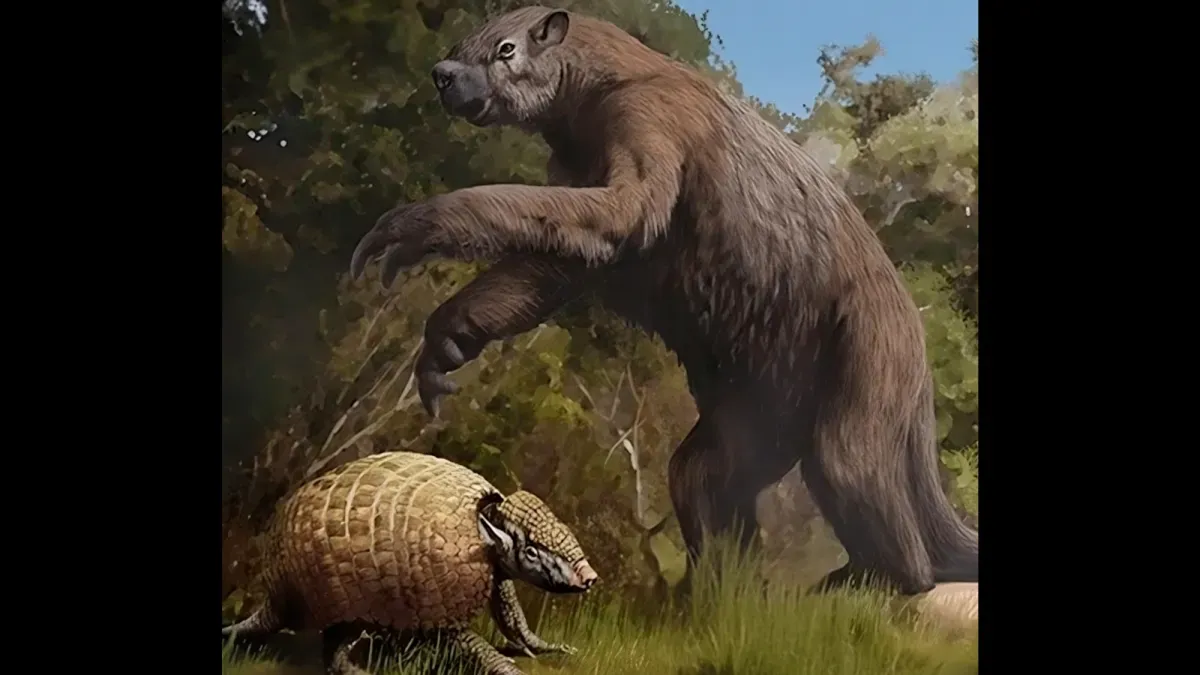
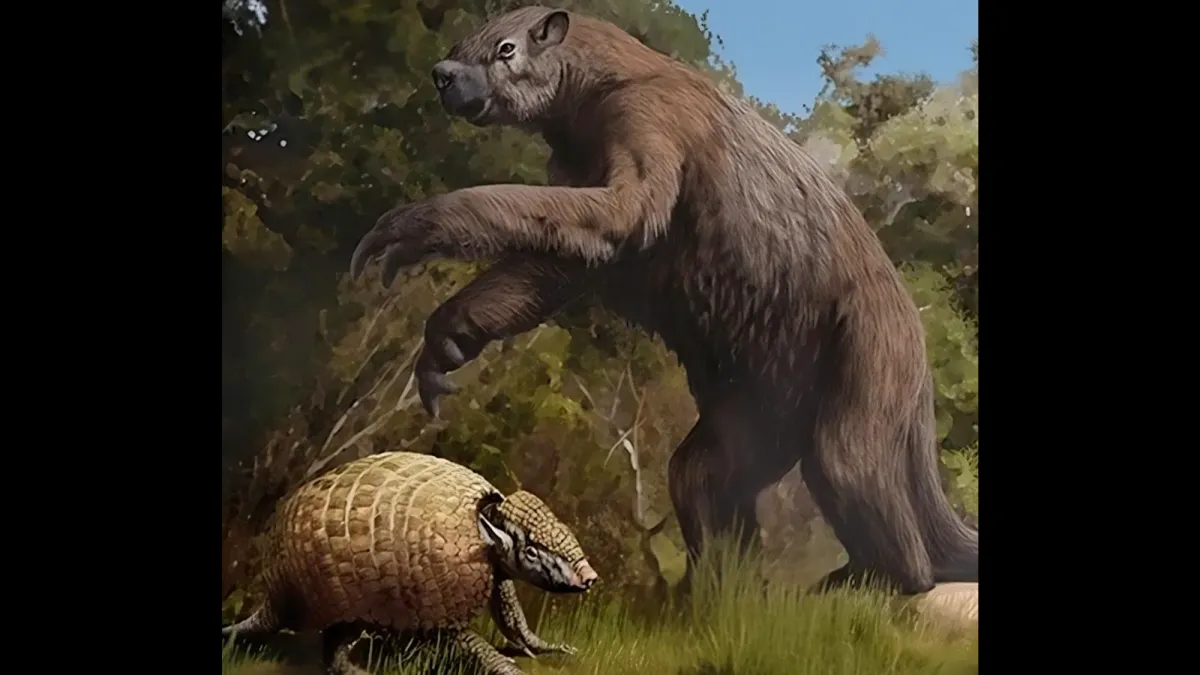
Imagine diving into a cave in Texas and finding bones everywhere. Not just any bones, but massive, lion-sized armadillos and giant ground sloths that roamed the area 100,000 years ago.
That's exactly what paleontologist John Moretti and explorer John Young discovered in Bender's Cave, north of San Antonio. This isn't just a cool find; it's a peek into a Texas that looked completely different, full of creatures you wouldn't believe.
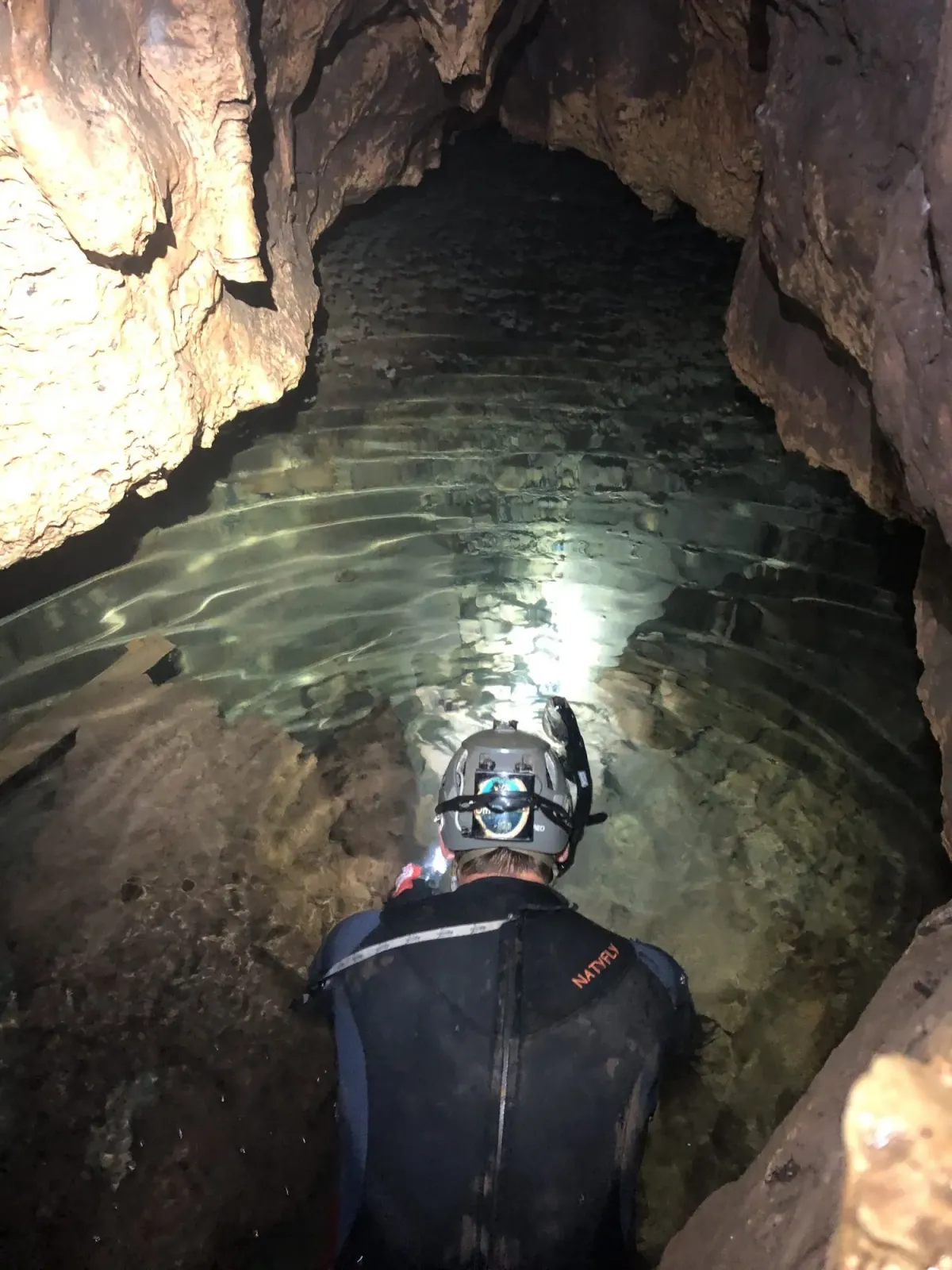
Most people think of fossils being dug up, but this team went snorkeling. Central Texas caves are often filled with water. Over thousands of years, streams wash animal bones from the surface deep into these underground spaces. The bones just sit there, perfectly preserved.
We're a new kind of news feed.
Regular news is designed to drain you. We're a non-profit built to restore you. Every story we publish is scored for impact, progress, and hope.
Start Your News DetoxMoretti described it as wild: "There were fossils everywhere, just everywhere, in a way that I haven’t seen in any other cave. It was just bones all over the floor."
They found claws from huge ground sloths and even ancient camel bones. But the real showstoppers were the pampatheres. Think of them as the great-grandparents of today's armadillos, but way, way bigger – some weighed up to 440 pounds, like a small bear. These guys migrated from South America about 2.7 million years ago and munched on tough plants, unlike modern armadillos.
The cool part? These fossils are likely from the last interglacial period. That was a warmer time during the last ice age. If that's true, these bones are the first of their kind from that era in central Texas. It's like finding a whole new chapter in Texas history that no one knew existed.
This discovery opens a new window into a landscape and animal community that's been hidden for ages. It tells us that what we think we know about ancient Texas might just be scratching the surface.