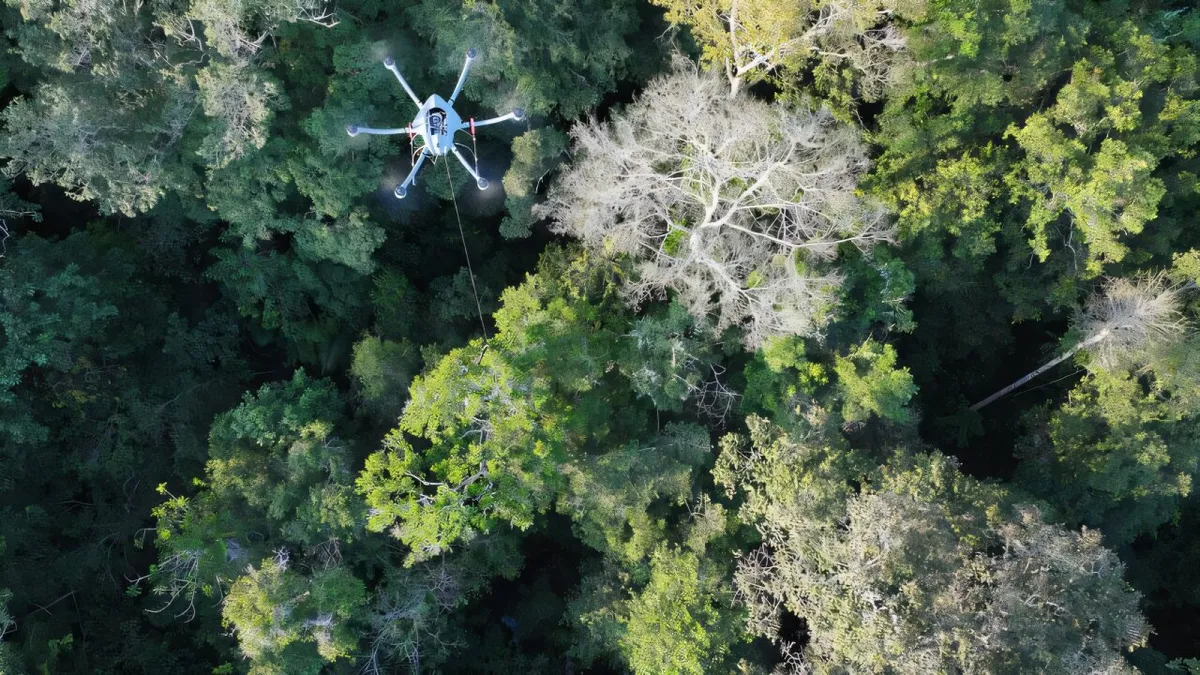
Imagine knowing exactly which plants and animals are thriving (or struggling) in any given spot on Earth. That's the holy grail for conservation, but until now, getting reliable data has been a wild mess.
Enter biologist Julie Allen and her team. They've just dropped a set of nine smart guidelines to make sure all that new tech we're using to track nature actually gives us answers we can trust. It's like a secret handshake for biodiversity data.
Allen's team actually won the XPRIZE Rainforest in 2024. They surveyed a massive 100 hectares of rainforest in just 24 hours, then pulled out key insights in two days flat. That kind of speed is crucial when species are disappearing faster than we can even count them.
We're a new kind of news feed.
Regular news is designed to drain you. We're a non-profit built to restore you. Every story we publish is scored for impact, progress, and hope.
Start Your News DetoxGovernments and businesses need to make quick decisions about land, but they're often flying blind. "That data is often missing for many places," Allen points out. That's where these new guidelines come in.
Making Tech Work for Nature
New tools are popping up everywhere. Satellites track land changes. AI can listen and look for birds, frogs, and even tiny insects. There's even "eDNA" — basically, collecting environmental DNA from water or soil to see every organism that's been there. It's pretty nuts.
But here's the catch: "The data is all over the place," Allen says. Different methods, different standards, and huge gaps in what we know. Her new guidelines aim to fix that, making sure the info we get is solid.
Allen gathered a brain trust in Washington, D.C. — conservationists, tech experts, even Indigenous community leaders. They hammered out these recommendations, which include things like:
- Agreeing on standard ways to collect data.
- Making sure new tech is set up right, so it doesn't give false positives.
- Creating live databases of trusted info to stop AI from hallucinating.
- Respectfully including Indigenous Knowledge, which is often centuries ahead.
Allen is even starting a new company, EarthIntell, to put these ideas into action, beginning with eDNA. The world is changing fast, and our decisions need to be even faster and smarter. This is a seriously cool step toward making that happen.