Get this: a baby palm cockatoo just flew out of a fake tree hollow in Australia. Seriously, the first one ever! This is a massive win for a bird that's super rare.
Conservationists are pretty hyped. These special log hollows were custom-made and put up in trees just for the cockatoos to breed. This little chick's successful flight means these clever setups actually work.
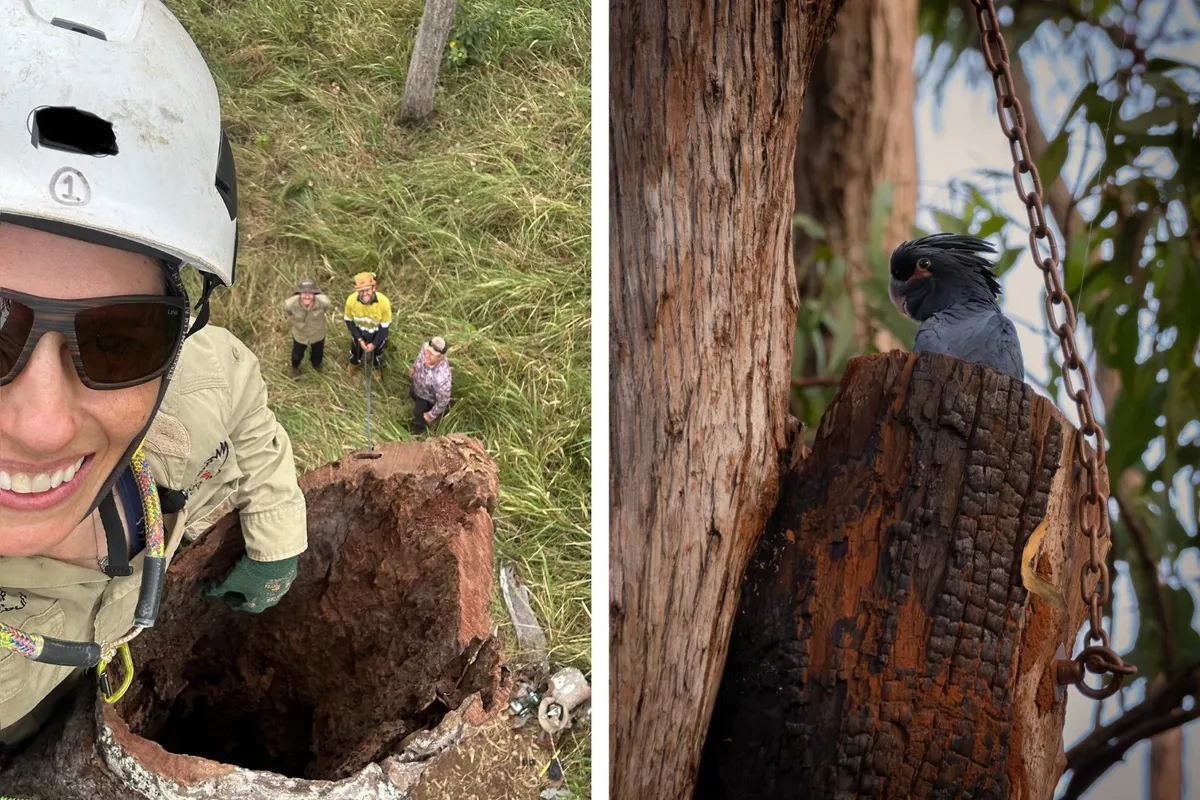
People For Wildlife created 29 of these hollows. They teamed up with the Apudthama Traditional Owners and a palm cockatoo expert, Christina Zdenek, to make it happen. It's all part of their plan to give these birds more places to raise their young.
We're a new kind of news feed.
Regular news is designed to drain you. We're a non-profit built to restore you. Every story we publish is scored for impact, progress, and hope.
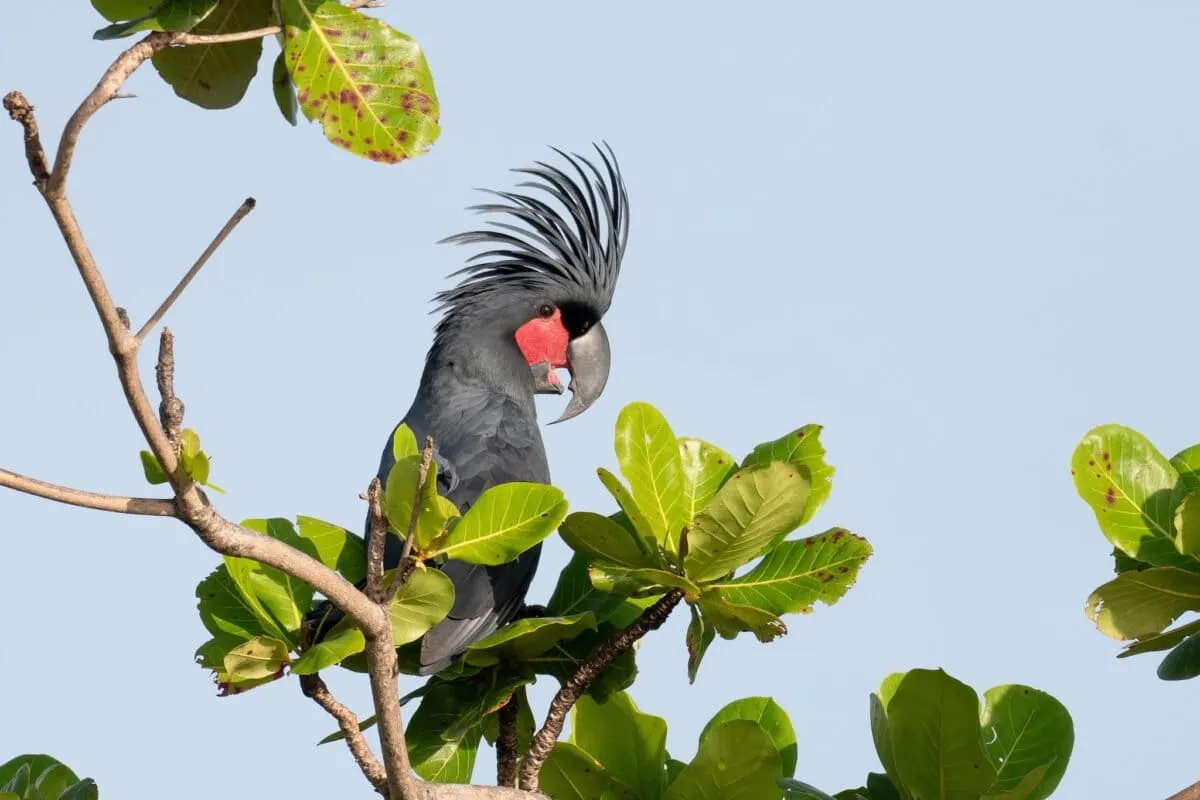
Start Your News DetoxPalm cockatoos are these huge, striking parrots. Think smoky black feathers, bright red cheeks, and a wild crest. The males even drum on trees with sticks to impress the ladies. Pretty wild, right?
They only live in a tiny part of northern Queensland, Australia, and in New Guinea. There are likely fewer than 2,000 left in Australia. That's not many at all.

These birds are super important for rainforests. Their big beaks help them crack open huge seed pods, spreading seeds around. It's like they're the forest's gardeners.
The problem? They're slow breeders, laying only one egg every two years. And they're super picky about where they nest, needing deep hollows in really old trees. Losing these natural spots has been a huge issue.
But now, with these artificial hollows proving successful, it’s like they just opened a new apartment complex for these magnificent birds. It means a real shot at survival for a species on the edge.