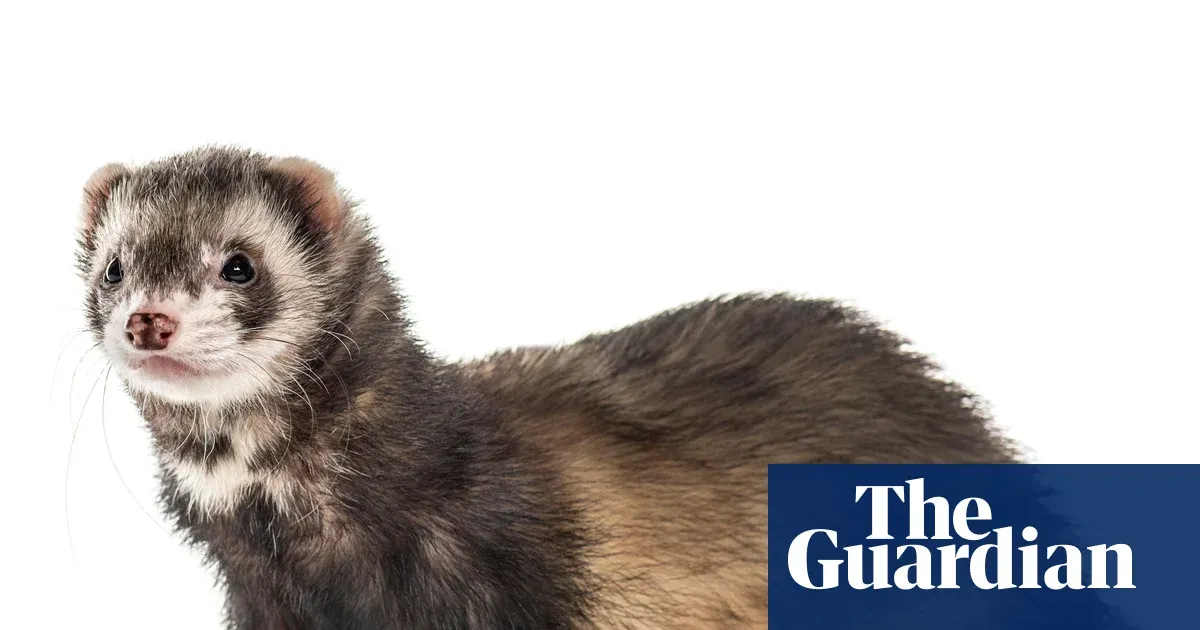
Get this: For the first time ever, an entire island has successfully gotten rid of all its feral ferrets. That's right, Rathlin Island in Northern Ireland is now ferret-free, and the seabirds are already making a comeback.
This wasn't just some casual cleanup. It was a huge, five-year project that cost about £4.5 million. The RSPB NI led the charge, working with locals, volunteers, and even a clever red labrador named Woody. Seriously, a dog helped save an island.
The Ferret Problem
Ferrets first showed up on Rathlin Island in the 1980s. People brought them in to control rabbits, but then the ferrets started breeding like crazy. Soon, there were over 100 of them, and they weren't just hunting rabbits. They were going after rare ground-nesting birds, Irish hares, and even people's chickens. At one point, a single ferret killed 26 puffins in just two days. Wild, right?
We're a new kind of news feed.
Regular news is designed to drain you. We're a non-profit built to restore you. Every story we publish is scored for impact, progress, and hope.
Start Your News DetoxRathlin is a big deal for seabirds. It's home to over 250,000 birds, including puffins and Manx shearwaters. It also hosts endangered corncrakes and peregrine falcons. The ferrets were messing up this whole ecosystem.
How They Did It
The "Life Raft" project used some smart tactics. They set up 110 cameras all over the island, used thermal drones, and Woody the dog was trained to sniff out ferrets. When a ferret was caught in a live trap, staff and volunteers were alerted. By last summer, the island was finally clear.
The results were almost immediate. Six male corncrakes were heard calling, a sign they were breeding – something not seen anywhere else in Northern Ireland. Even cooler? Manx shearwaters, which dig burrows, bred on Rathlin for the first time in 40 years. That's pretty nuts.
Keeping the island ferret-free is an ongoing effort. With about 150 human residents and a regular ferry, they're using AI-powered cameras and biosecurity checks at the harbor to make sure no new ferrets (or rats, which they're also working to remove) sneak onto the island.
This success isn't just for Rathlin. Similar projects in places like Lundy Island have seen seabird numbers triple after getting rid of rats. It shows what's possible when people team up to protect nature. Imagine chickens safely roaming again and more puffins than ever. That's a future we can all get behind.