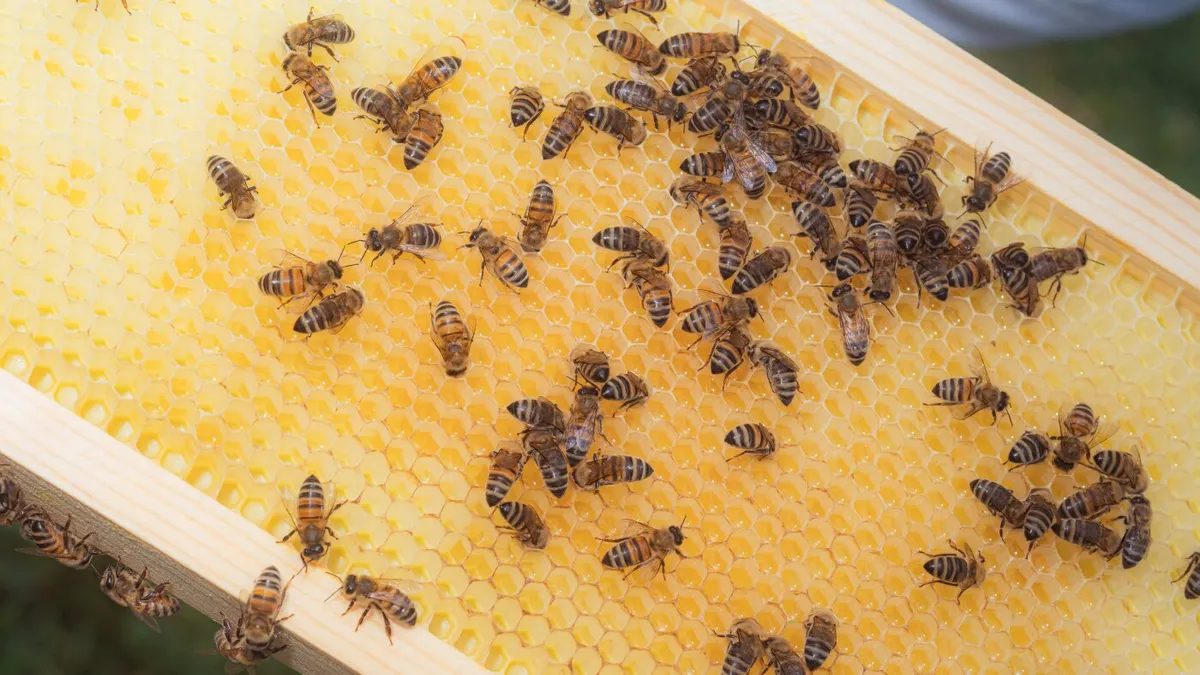
When Kendal Sager opens her beehive, thousands of bees move across the honeycomb. Their cells are full of bright pollen from nearby flowers.
Sager, a California master beekeeper, explains that bees do more than just make honey. They pollinate hundreds of types of nuts, fruits, and vegetables.
"Even if you don't like bees themselves, you have bees to thank for the food on your table," she said.
We're a new kind of news feed.
Regular news is designed to drain you. We're a non-profit built to restore you. Every story we publish is scored for impact, progress, and hope.
Start Your News DetoxThis Wednesday is World Bee Day, started by the United Nations in 2018. It aims to make people aware of why these insects need protection. ## The Mystery of the Name "Bee"
Doug Harper, who founded Etymonline.com, a dictionary of word origins, says the meaning of "bee" has stayed the same for a long time.
"A word like 'bee' has always been 'bee,' as far back as you can trace it," he noted.
Harper explains that "bee" comes from the Old English word "beo." In the past, some poets used "beowulf," meaning "a wolf to bees," to describe bears.
The exact origin of "bee" is still a mystery. This is mainly because bees have been on Earth for millions of years, and people have been keeping bees for over a thousand years.
"The words that have been here forever, we'll never know probably," Harper said.
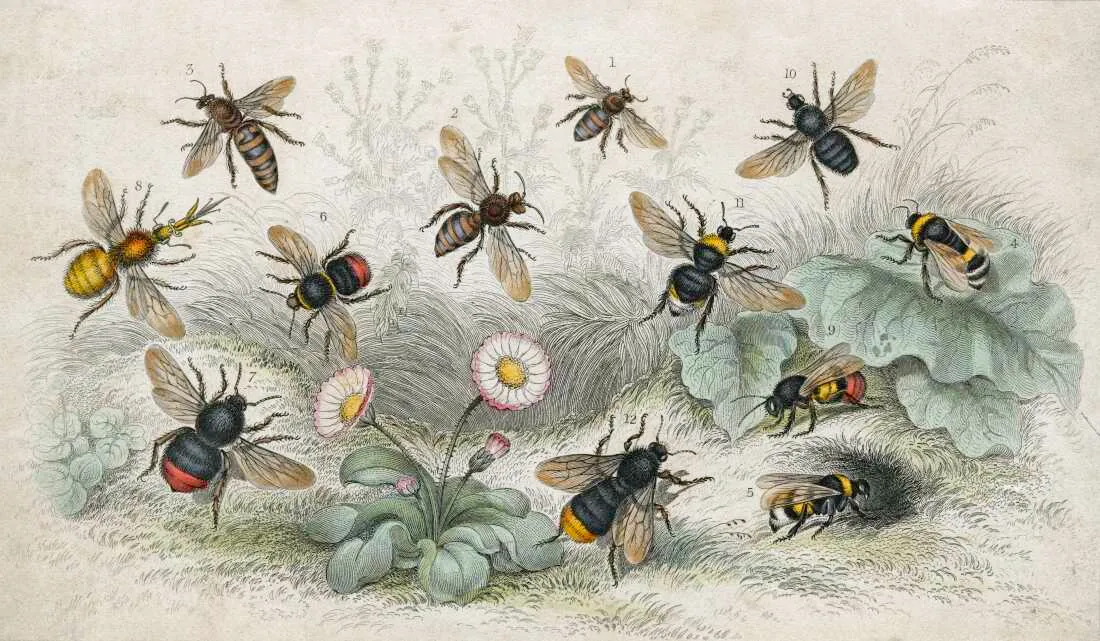
One idea is that the name comes from the buzzing sound bees make. Other words have been used for the insect, like the Latin "apis," which led to "apiary" for places where beehives are kept.
But "bee" has lasted more than any other word. It's now part of many common phrases, like "making a beeline" or being a "busy bee." Harper says this shows how closely humans have watched and valued bees for centuries.
"When I look at words like that, they don't even look like words. They look like landscape. They're so ancient," he said. "Those things are sort of rare and valuable just for that."
Why Bees Need Our Help
It has become harder to keep bee colonies alive. Last year, commercial beekeepers in the U.S. reported losing almost 56% of their honeybee colonies. This was the biggest drop since the annual survey began in 2010.
"The worry is that at some point they won't be able to keep up anymore," said Mateo Kaiser. He is a fifth-generation beekeeper in California and managing director of Swarmed, a resource for beekeepers.
Many things caused last year's large decline. These include losing natural habitats, exposure to strong pesticides, and a tiny, harmful parasite called the Varroa mite. This mite arrived in the U.S. from Asia in the 1980s.
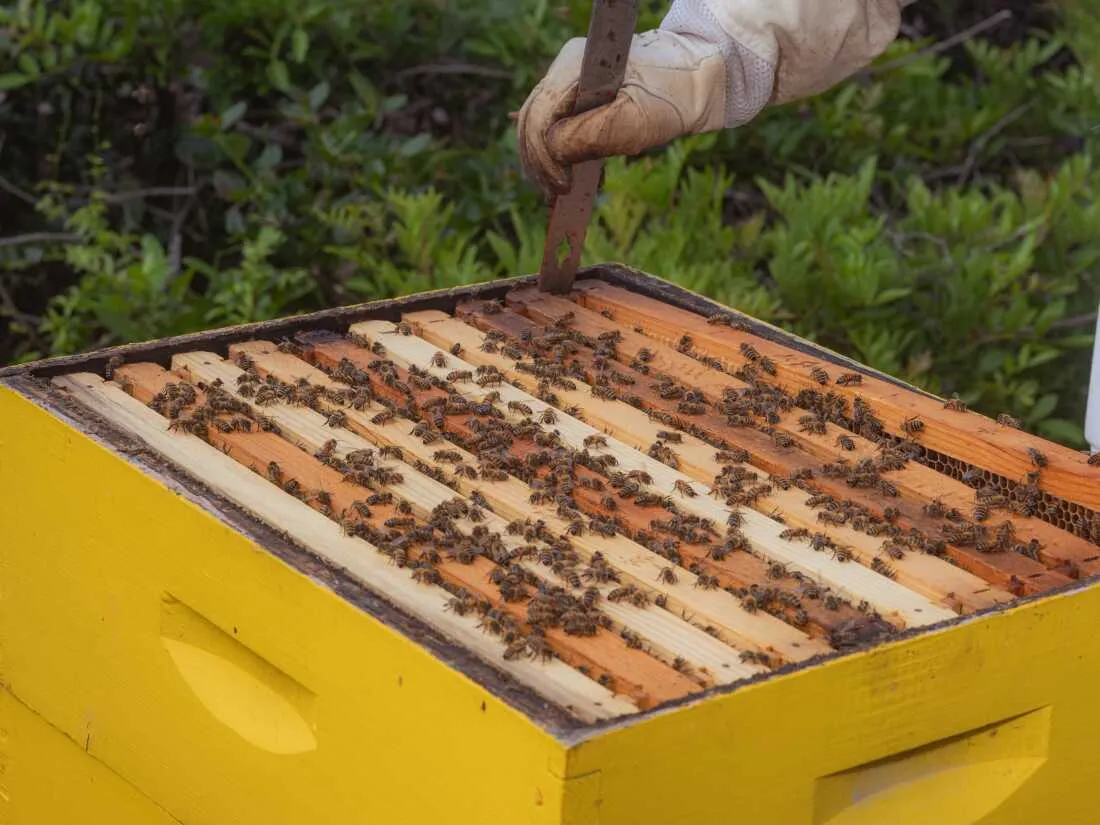
Kaiser noted that bees are very sensitive to climate changes. If spring is too dry, flowers and trees produce less nectar, and bees go hungry. A sudden cold snap in spring can also slow down bees for the entire season.
"As the climate changes and becomes less predictable, it becomes harder for beekeepers to know what to expect and to make sure that they're taking the best possible care of their bees," he explained.
Each year, bees travel millions of miles across the country. Their journeys not only pollinate crops and make honey, but they also show us how healthy our environment is.
"Anything the bees are coming into contact with, it's affecting them and it's telling us something about the health of our communities, and how local biodiversity and ecosystems are being impacted," Kaiser said.
Sager added that bees have made her more aware of the weather and when flowers bloom. This is another way bees affect humans.
"So even if you don't care about the bees," she said, "it's pointing at a lot of other issues that may cause problems for everyone and other species."