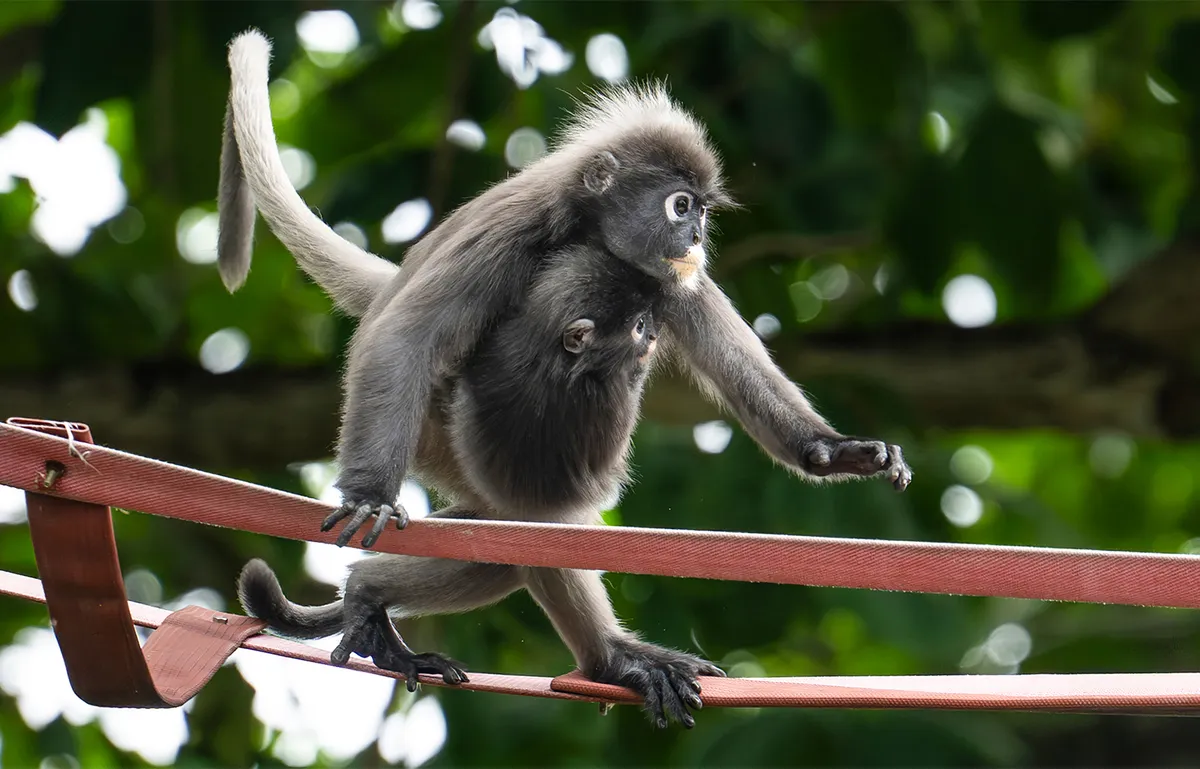
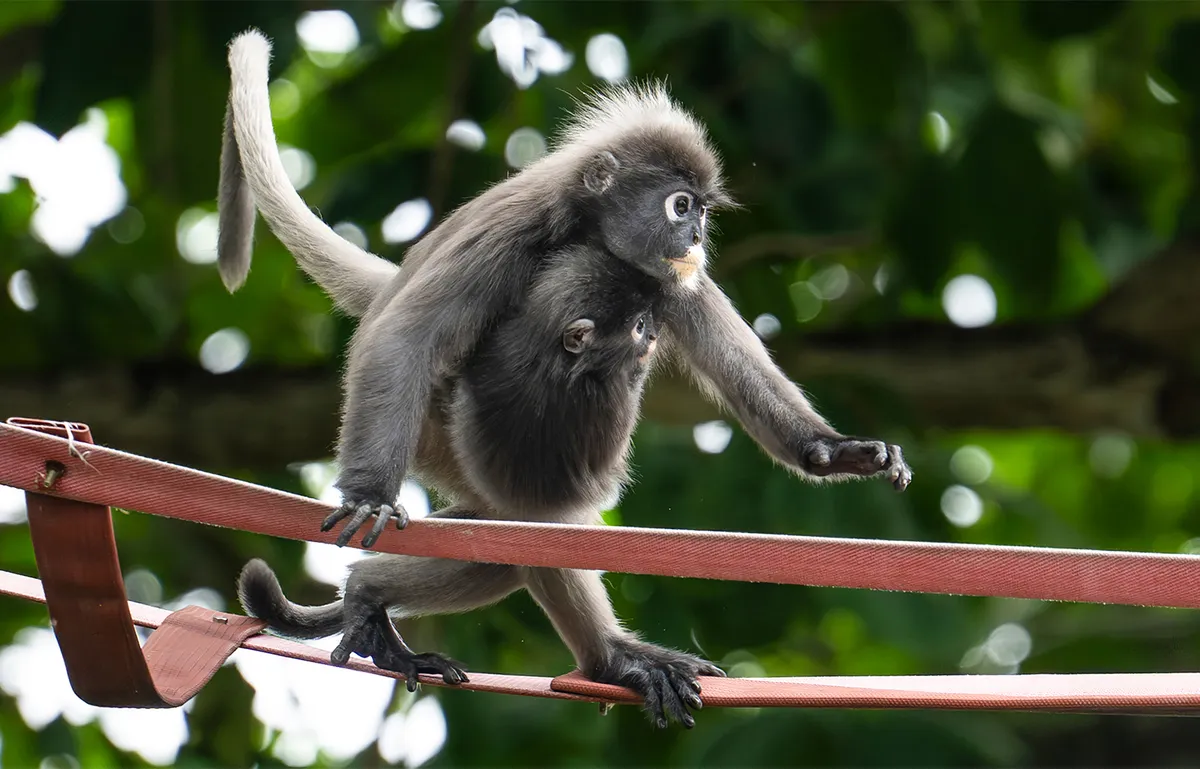
In Malaysia's Penang state, something genuinely charming is happening: a local conservation group and residents are teaming up to solve a problem most of us didn't even know existed. The issue? Endangered dusky langurs, whose homes keep disappearing thanks to urban sprawl, were getting a little too chummy with human neighborhoods.
Enter the Langur Project Penang, which, in a move of pure genius, built a dedicated bridge just for the monkeys. This isn't just any bridge; it's a lifeline. It allows these arboreal acrobats to safely cross a very busy road, linking them to more habitat and, crucially, keeping them out of residents' hair. The result? Fewer complaints, happier monkeys, and probably a few less insurance claims for damaged roofs.
When Wildlife Gets a Little Too Wild
Malaysia's wildlife agency typically fields thousands of calls annually about animals getting a bit too close for comfort. The usual playbook involves trapping, relocating, or, in less ideal scenarios, culling. But conservationists, bless their pragmatic hearts, are pushing for a different approach: education and coexistence. Which, let's be honest, sounds far more appealing than trying to explain to a langur why your prize-winning petunias are off-limits.
We're a new kind of news feed.
Regular news is designed to drain you. We're a non-profit built to restore you. Every story we publish is scored for impact, progress, and hope.
Start Your News DetoxThe success of this whole endeavor hinges on local buy-in. Citizen scientists, including the very residents who initially grumbled about their furry neighbors, have become crucial. Some have even had a complete change of heart, shifting from frustrated homeowners to wildlife advocates. Because apparently, even a grumpy retiree can be won over by a well-placed monkey bridge.
Take Tan Soo Siah, 64, from Tanjung Bungah. A magnificent 50-year-old mango tree bursts through his second-story terrace, making it a prime hangout for a family of dusky langurs. These particular monkeys reside in a small park nearby, but they clearly appreciate a good, leafy perch.
Tan finds joy in watching them from his bedroom window, playing in the leaves. "Since everybody chases them away, I try to let them have a rest here," he says, proving that some people just want to watch the world, and its monkeys, thrive.
His neighbors in Taman Concord, a community largely made up of retirees, weren't always so zen. Just three years ago, the monkey complaints were endless: langurs on roofs, damaged property, and gardens raided. It seems a fine line exists between appreciating nature and having nature redecorate your house without permission.