Turns out, even in places where public dissent is, shall we say, complicated, people still manage to stand up for their drinking water. And occasionally, they even win.
Environmental battles often start small: a proposed trout farm, a new landfill. But they quickly escalate into something much bigger, usually involving the fundamental question of who gets to decide what happens in your backyard. Or, more accurately, who gets to dump in your backyard. In Russia, some citizens have been pushing back against projects threatening their water, land, and overall ability to, you know, live.
The Case of the Unwanted Trout
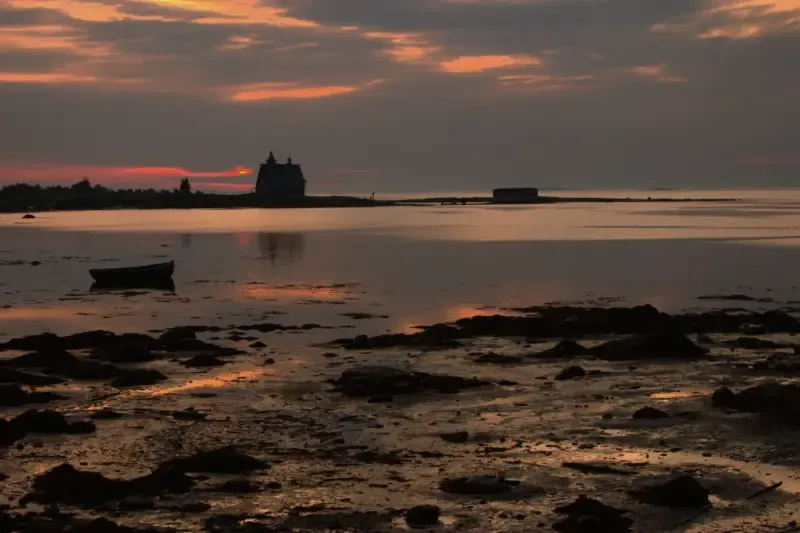
Take Kem, a town in northern Karelia. In 2025, residents discovered plans for trout farms just a few kilometers upstream from their town's water intake. Because nothing says 'refreshing tap water' like thousands of fish doing their business right next door.
We're a new kind of news feed.
Regular news is designed to drain you. We're a non-profit built to restore you. Every story we publish is scored for impact, progress, and hope.
Start Your News DetoxKarelia is already a major player in Russia's farmed trout game, accounting for about half the country's production. But fish farming, as anyone who's ever smelled a pond knows, can seriously pollute waterways. And Kem residents already had issues. Their tap water wasn't exactly sparkling clean; in 2024, only 62% of Karelia's residents had access to safe drinking water, which is a number that should make anyone's stomach churn.
So, this wasn't some abstract, anti-business crusade. This was about not wanting to drink fish pee. A petition against the farm quickly snagged 750 signatures. Locals voiced their concerns at a public meeting, and soon after, the company, citing a "tense situation," withdrew its application. A win, for now. Because, as with many things, 'withdrew' doesn't always mean 'gone forever.'
Landfill Fights: From Sysert to Shiyes
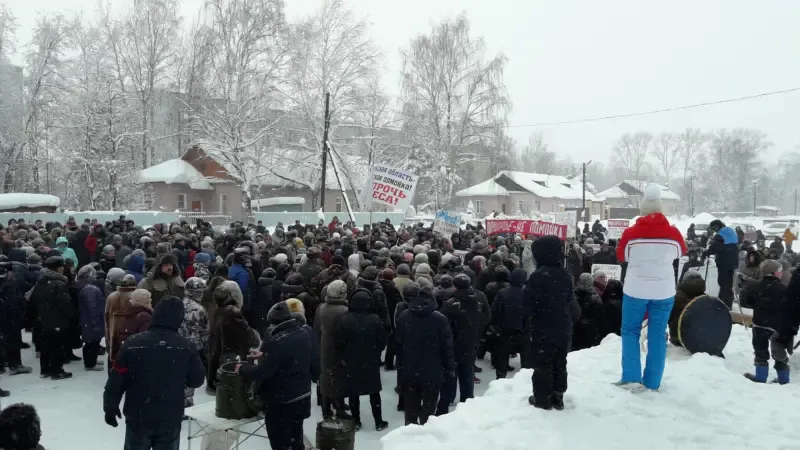
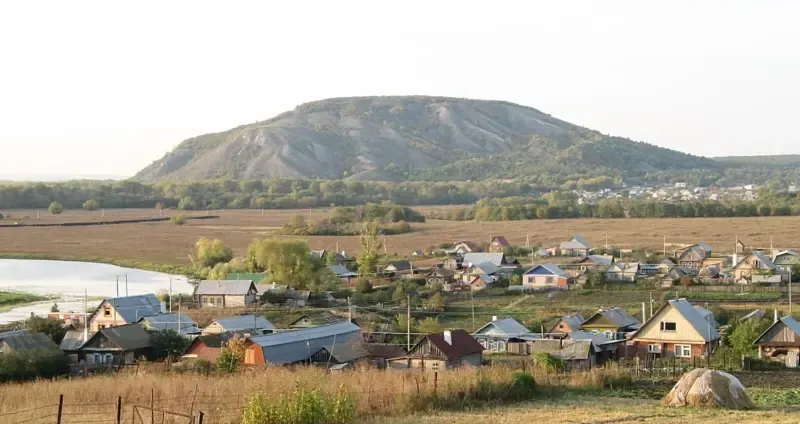
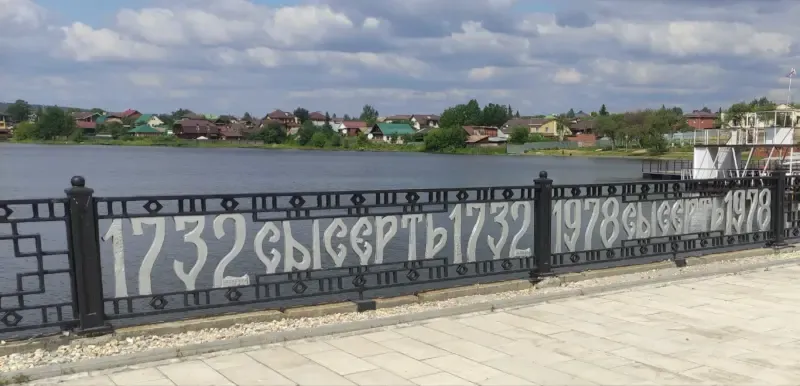
Then there's Sysert, where in 2023, officials greenlit a massive waste management facility right near people's homes. Residents were, understandably, furious. They argued it would foul their air, soil, and water, not to mention the charming peat deposits nearby. Rallies turned into lawsuits, state agency contacts, and attempts at a local referendum. By March 2026, the project was officially canceled. Years of effort, but the landfill disappeared.
Perhaps the most famous battle was in Shiyes, a remote railway station in the Arkhangelsk region. In 2018, authorities decided this quiet spot was perfect for a giant landfill to hold Moscow's trash. This quickly morphed from a local squabble into a national symbol of regional communities being treated like the capital's garbage dump. It became environmental and political.
Locals set up a round-the-clock protest camp, organized patrols, and held huge demonstrations. By 2019, the Shiyes movement had inspired solidarity actions in 30 other regions across Russia. The European Parliament even stepped in, urging Russia to stop persecuting activists. In 2020, the project was officially canceled, and the site was designated for environmental restoration. Because apparently that's where we are now: fighting for the right not to be buried under someone else's trash.
These victories, though often quiet bureaucratic decisions, show that local communities, even under immense pressure, can indeed make powerful systems blink. It’s a testament to the idea that environmental justice often starts with a simple, deeply personal question: who gets to decide the future of my home?