Even when you're completely out cold, your brain is still listening. That's one of the week's more intriguing revelations, and it wasn't alone in hinting at hidden complexities beneath the surface of our world. From the quiet resilience of communities to the unexpected ingenuity of scientists, a lot was happening just out of sight.
The Unseen Mind
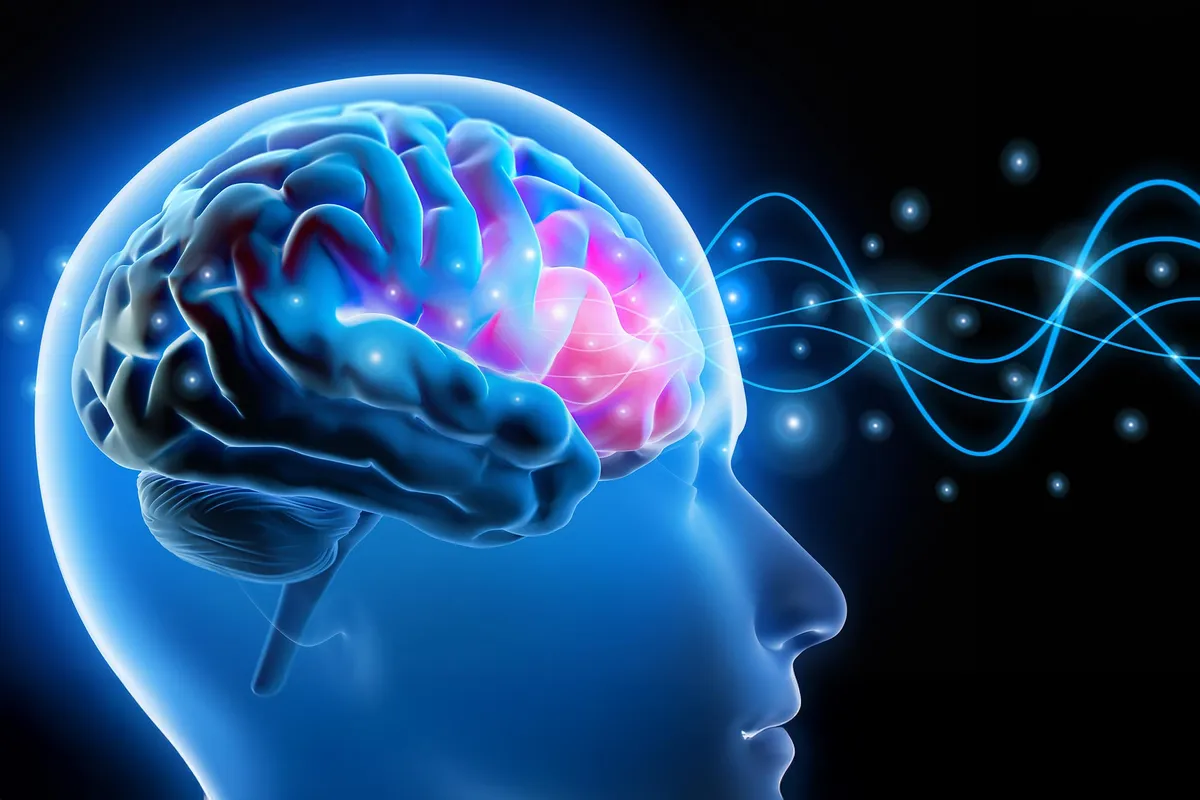
New research this week suggests that our brains are far busier than we give them credit for. Remember that podcast you were listening to before your surgery? Turns out, your brain can still track a podcast while fully anesthetized. This isn't just a quirky fact; it challenges long-held notions about consciousness itself, indicating that our internal chatter continues even when we're consciously unaware.
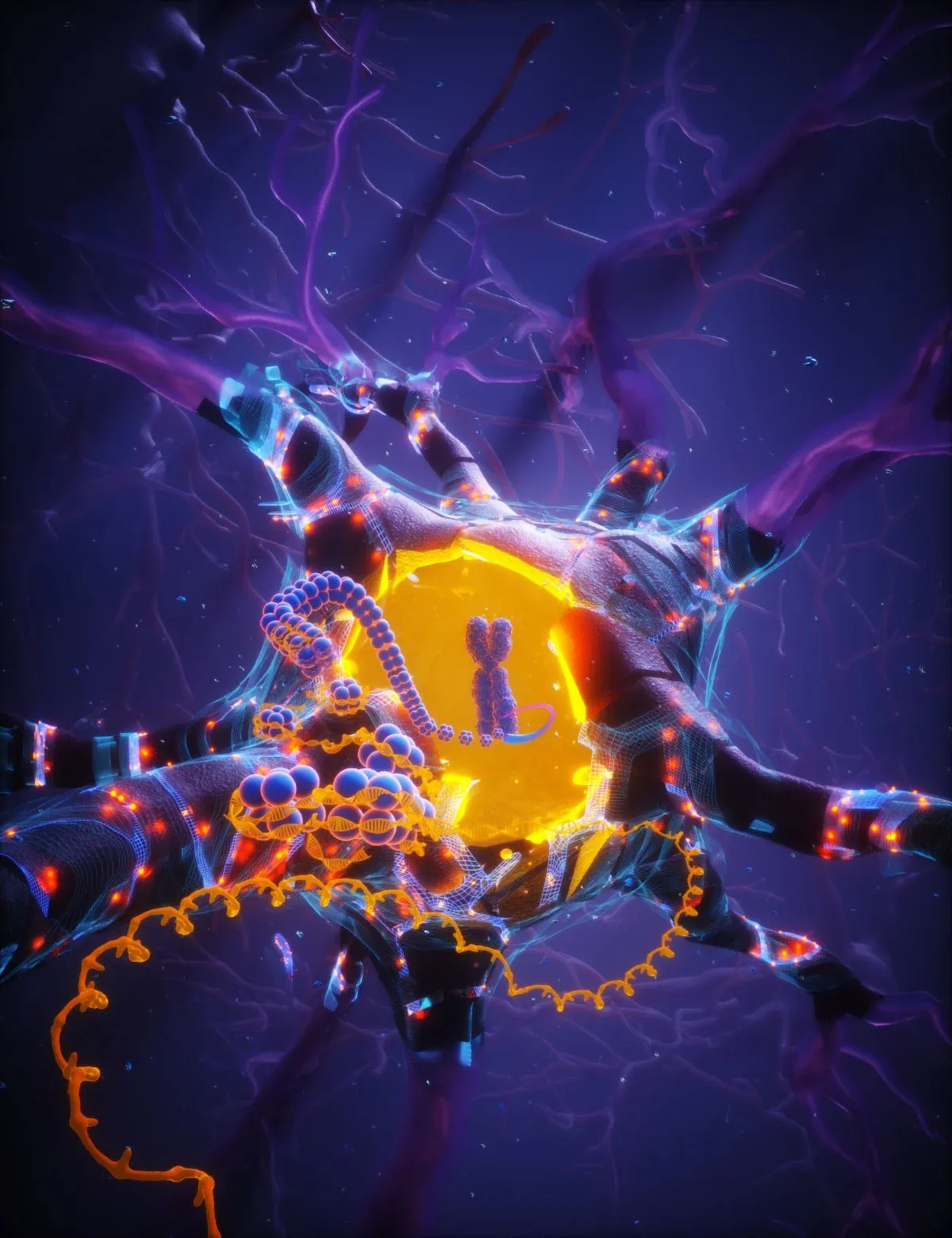
This week also brought news that a 'longevity gene' explains why some brains age like fine wine, offering a glimpse into the biological armor that protects against Alzheimer's. Meanwhile, scientists are now wiring up brains with new 'bypass' proteins to create custom electrical connections, a potential game-changer for neurological disorders. If you've ever felt like your brain has a mind of its own, this week's science offers a lot of compelling evidence that it just might.
We're a new kind of news feed.
Regular news is designed to drain you. We're a non-profit built to restore you. Every story we publish is scored for impact, progress, and hope.
Start Your News Detox"The brain may continue interpreting language and predicting information even while unconscious under anesthesia." — Read the full story
Community Steps Up When Systems Fail
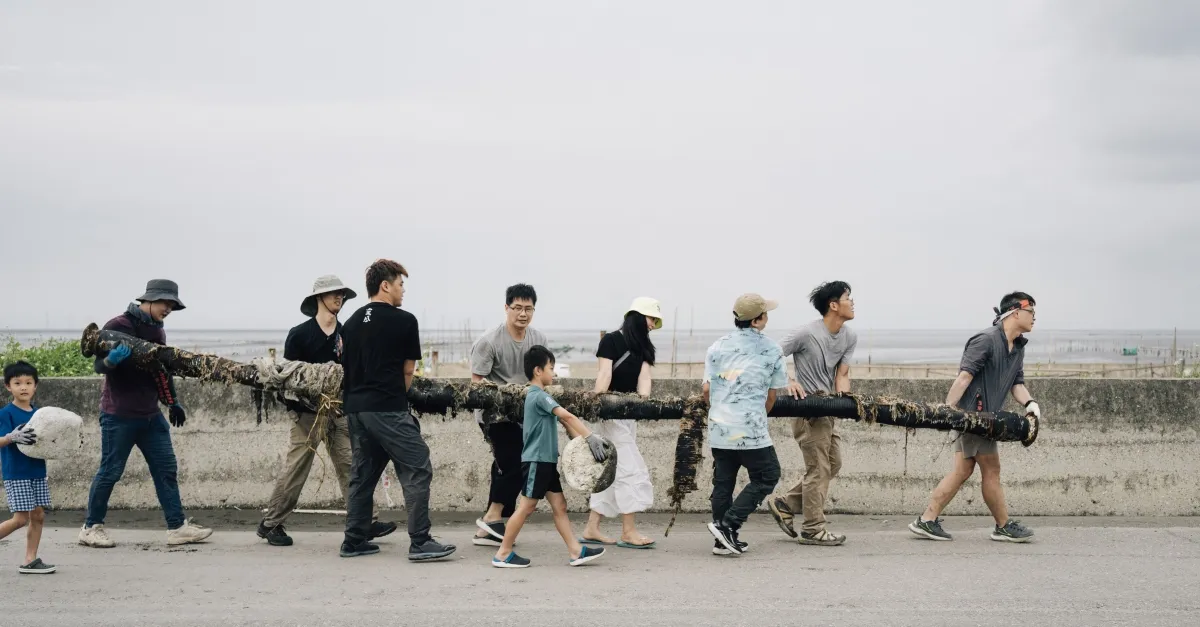
While science was peering inward, communities were looking outward, demonstrating incredible resilience in the face of dwindling support. This past year, when global aid fell, communities stepped up (and raised a billion dollars). This wasn't some abstract government initiative; it was individuals and local groups filling critical gaps, proving that when the big systems falter, grassroots efforts can hold the line. It's a poignant reminder that while grand strategies are often discussed, the real safety net is often woven by neighbors helping neighbors.
This kind of localized ingenuity isn't just about fundraising. We also saw Rustom Basumatary, who used to poach animals. Now he's their fiercest protector in India's Manas National Park. His story isn't just a personal transformation; it's a testament to how local engagement, even from unexpected sources, can be the most effective force for change. If you've been wondering where real impact comes from, this week suggests it starts with a deeply human commitment.
The Quiet Revolution in Health Tech
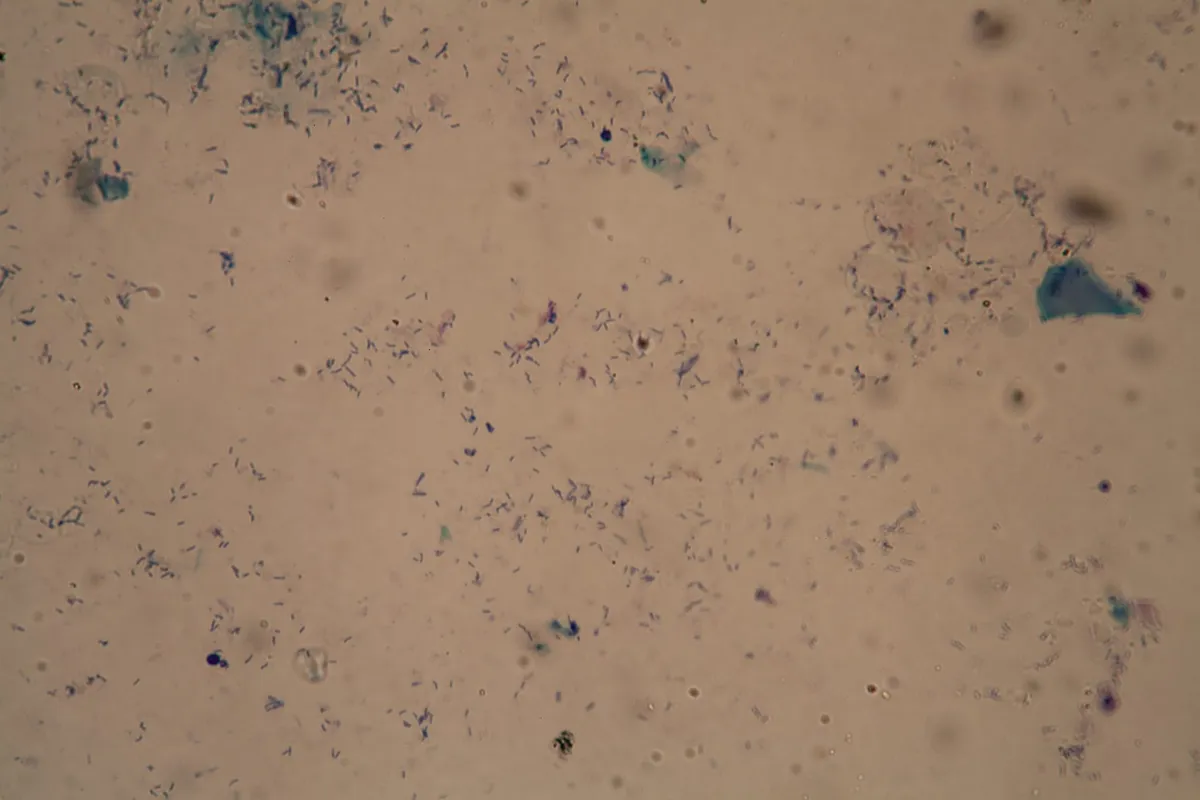
Sometimes, the biggest breakthroughs aren't flashy, but deeply practical. This week, a new portable device, the MiniDock MTB, quietly arrived to outsmart 150 years of TB testing. For decades, diagnosing tuberculosis has relied on a microscope, a method prone to error and inaccessible in many remote areas. Now, a simple swab and a portable device can detect TB DNA with far greater accuracy. This isn't just an incremental improvement; it's a fundamental shift that could save countless lives by making accurate diagnosis possible anywhere.
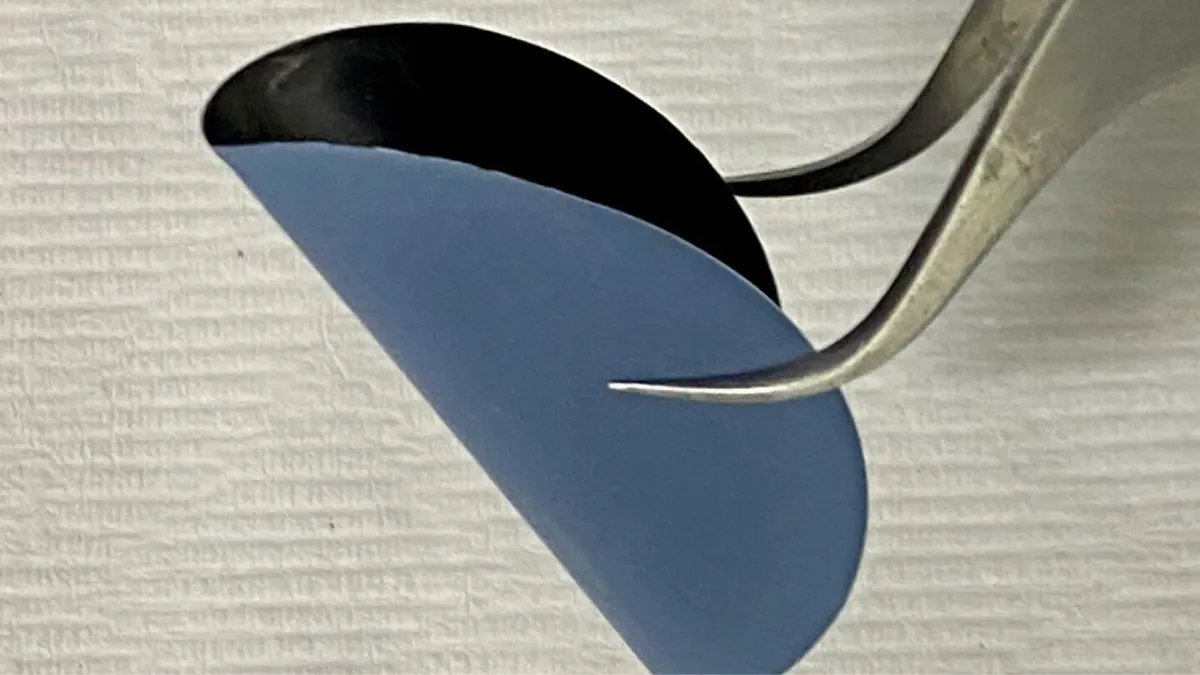
Meanwhile, on the energy front, scientists at Monash University developed a new fuel cell membrane that works at 482°F. No water needed, removing a major bottleneck for hydrogen fuel cells. These advancements might not grab headlines like a rocket launch, but they're the kind of quiet, persistent innovation that reshapes daily life for millions. If you've been looking for tangible progress on intractable problems, these developments offer concrete proof that solutions are continually being engineered, often out of the spotlight.
Hope stat: 1 billion — dollars raised by communities when global aid streams faltered.
Watch this space: The continued evolution of portable diagnostics and their potential to decentralize healthcare access globally.