Imagine a world where clean energy isn't just a dream, but a reliable, always-on reality. Fuel cells have always been a contender, silently generating electricity from hydrogen with nothing but water and heat as a byproduct. The catch? They really, really liked water to do their job, which meant high temperatures were a no-go.
Well, scientists at Monash University in Australia just told that problem to take a hike. They’ve cooked up ultra-thin membranes that let hydrogen fuel cells hum along happily at a scorching 482°F (250°C). And here’s the kicker: they do it without a single drop of water. Because apparently, that’s where we are now.
The Hot, Dry Future of Fuel Cells
For years, the Achilles' heel of fuel cells was their reliance on water to shuttle protons around. Heat makes water evaporate, and evaporated water makes for a very sad, very inefficient fuel cell. This significantly limited where and how these otherwise fantastic clean energy sources could be used. Think trying to run your electric car in the Sahara, but the car needs a sprinkler system to function.
We're a new kind of news feed.
Regular news is designed to drain you. We're a non-profit built to restore you. Every story we publish is scored for impact, progress, and hope.
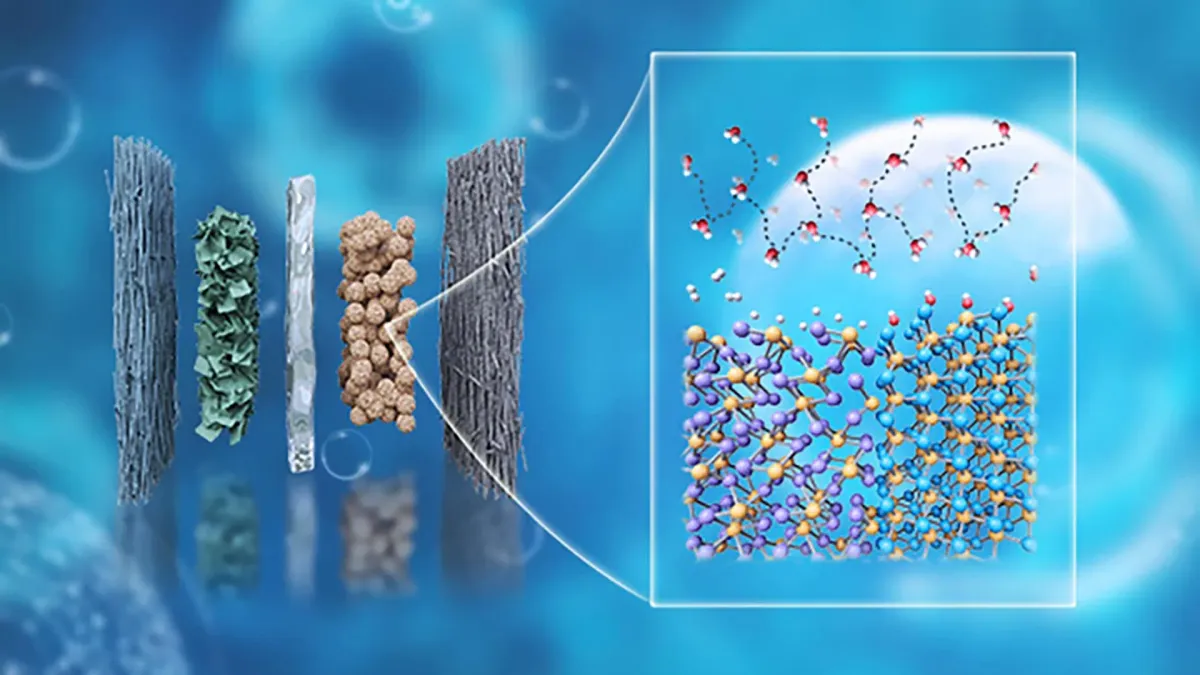
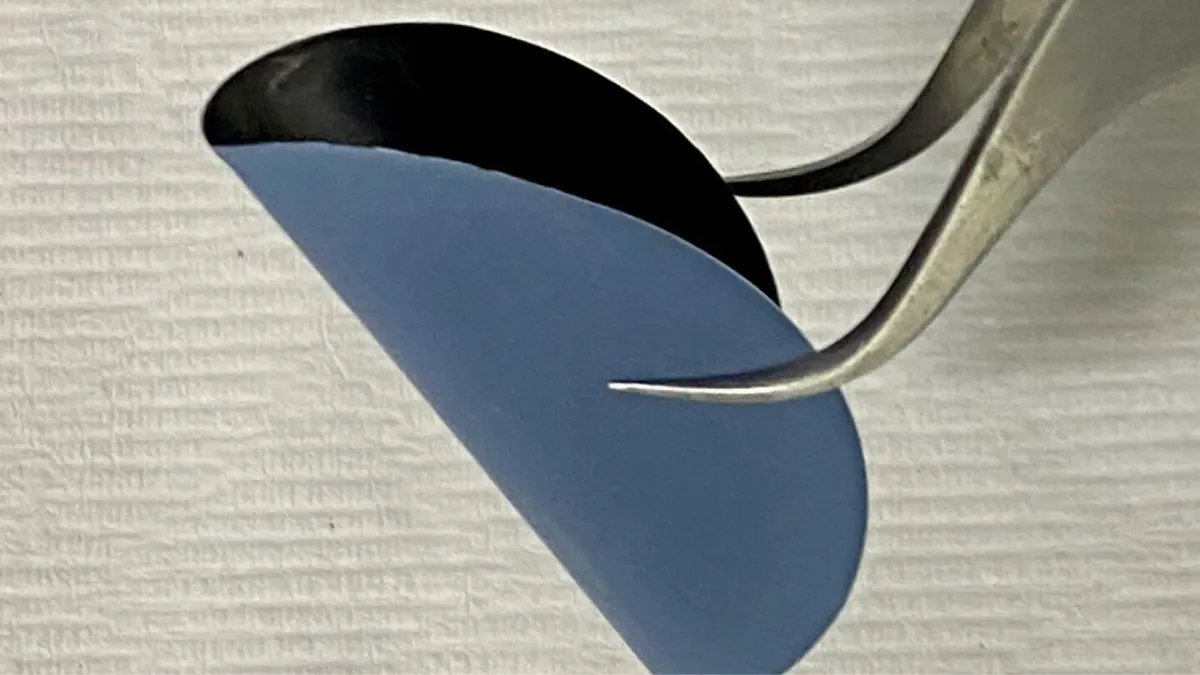
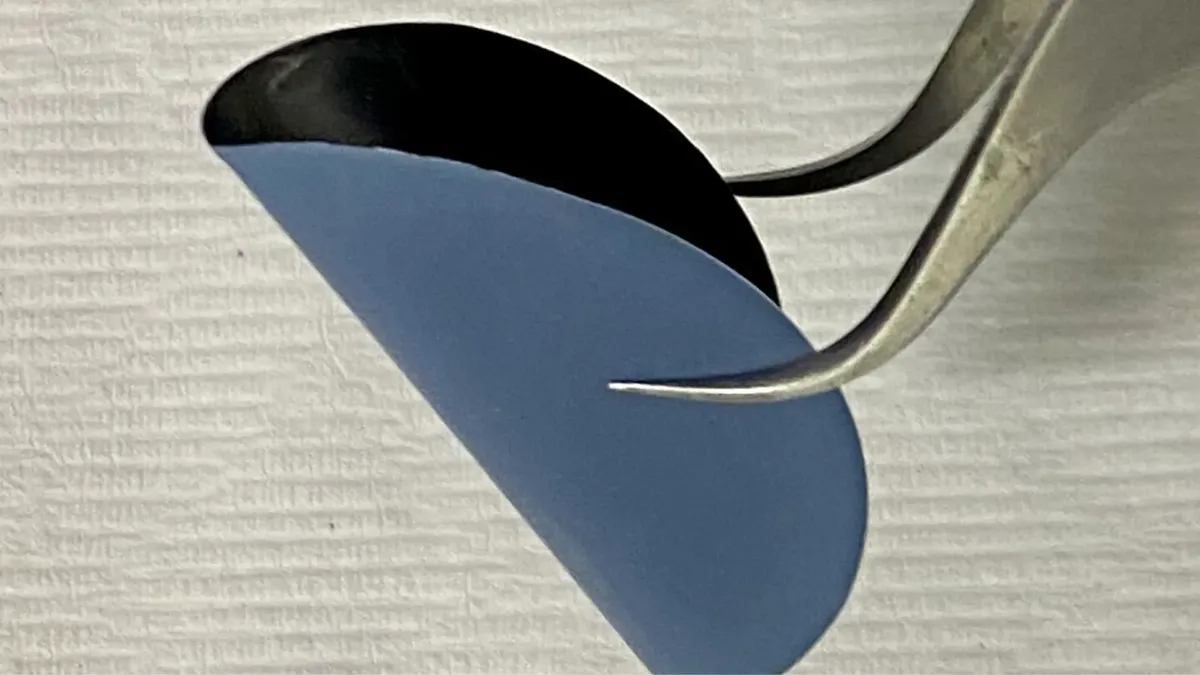
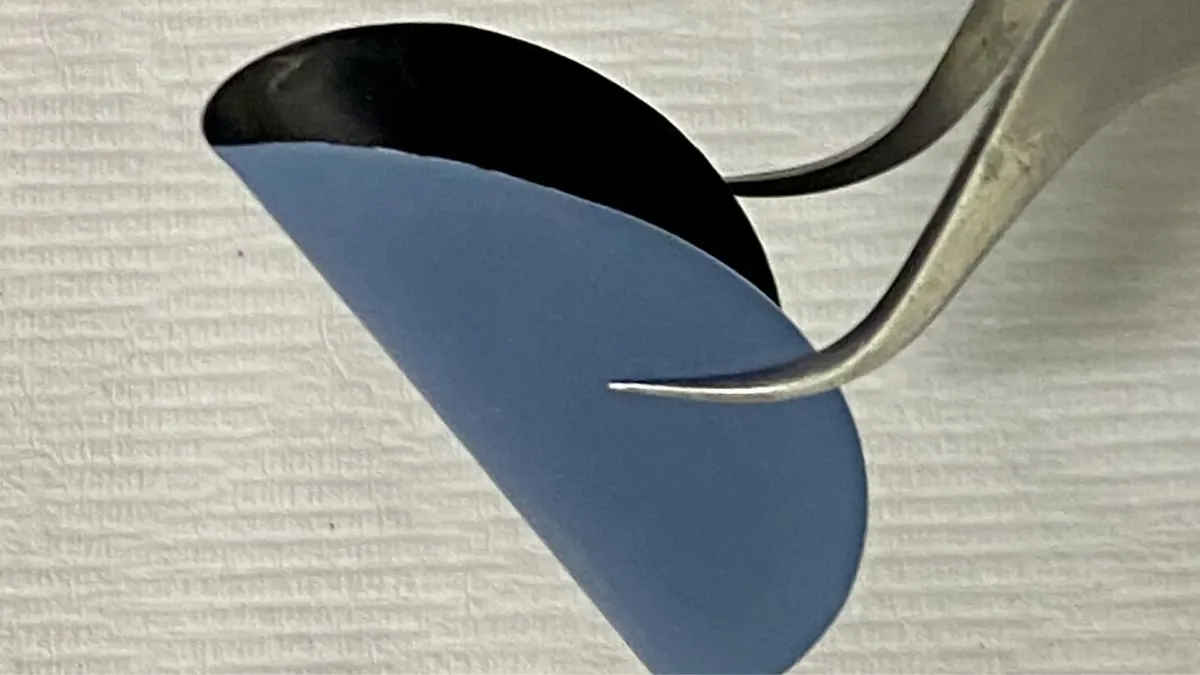
Start Your News DetoxMonash researchers, however, decided to turn up the heat — literally. They developed incredibly thin nanosheets that don't need water to move protons. Now, nanosheets aren't new, but getting protons to zip between their layers has been like herding cats. The solution? They infused these sheets with nanoconfined phosphoric acid. Because when in doubt, add a little acid, apparently.
These new membranes, crafted from graphene and boron nitride, delivered a seriously impressive power output in tests. Professor Huanting Wang explained that combining these proton-conducting nanosheets with the phosphoric acid created a superhighway for protons, even at temperatures that would typically boil a fuel cell into submission. In lab tests, protons were practically drag-racing through the membrane at 482°F.
Kaiqiang He, a postdoctoral fellow, clarified that the nanosheets create direct paths, while the confined acid helps the protons practically hop, skip, and jump along. It's a one-two punch of high conductivity and stability, even in bone-dry, scorching conditions. The membrane even performed admirably with concentrated methanol as fuel, proving its mettle in tough environments.
This isn't just about better fuel cells, either. This membrane could be a game-changer for other electrochemical systems, from splitting water to reducing carbon dioxide. It’s like they didn't just solve a problem; they opened a whole new toolkit. So, the next time you hear about clean energy, remember the little membrane that could, running hot and dry, and making everyone else look a little sweaty by comparison.