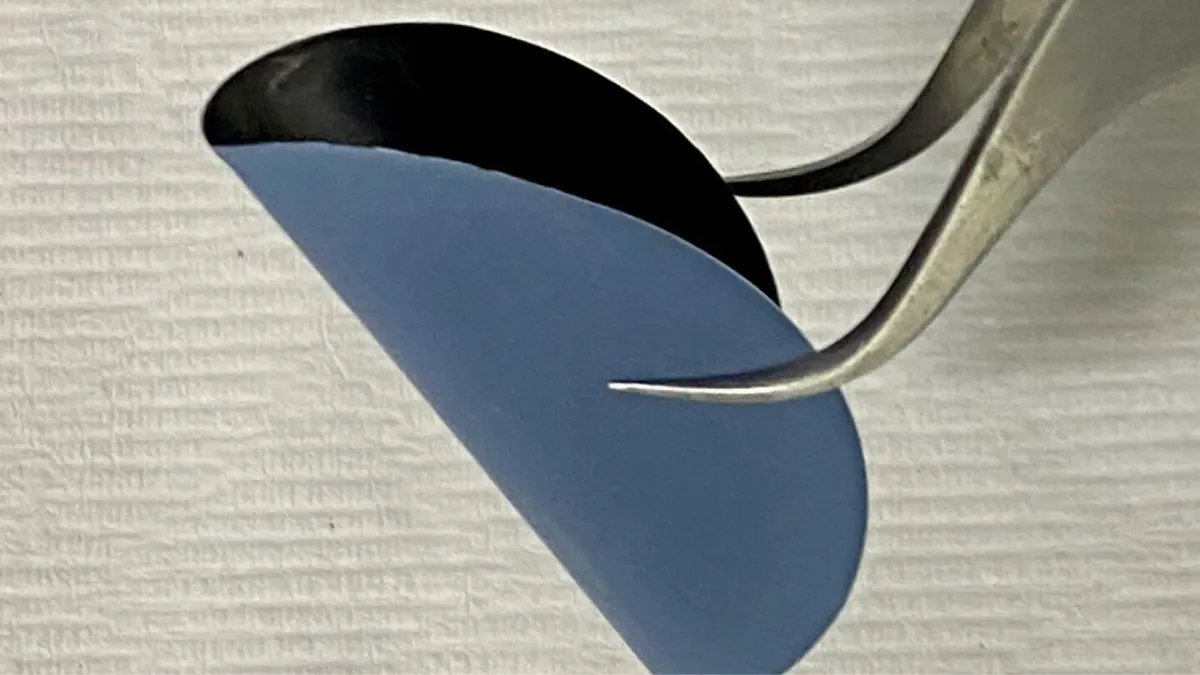
Scientists have found a new way to create a super-strong material from bacterial cellulose. This material could replace plastics in many products, from packaging to electronics.
The new method was developed by researchers at Rice University and the University of Houston. Their findings were published in Nature Communications.
A New Way to Make Strong Materials
Plastic waste is a big environmental problem. Plastics break down into tiny pieces called microplastics, which can release harmful chemicals. To find a better solution, the research team looked at bacterial cellulose. This is a pure, natural material found in abundance on Earth.
We're a new kind of news feed.
Regular news is designed to drain you. We're a non-profit built to restore you. Every story we publish is scored for impact, progress, and hope.
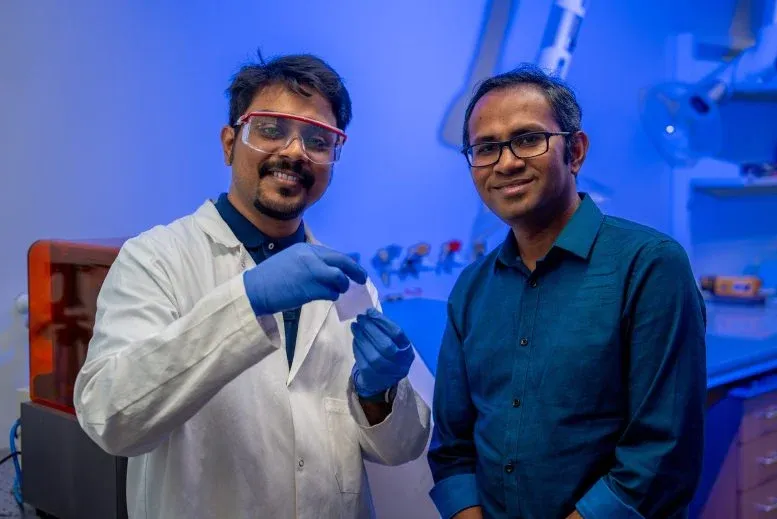
Start Your News DetoxMuhammad Maksud Rahman, a professor at the University of Houston and Rice University, led the team. He explained that their goal was to find a sustainable alternative to plastic.
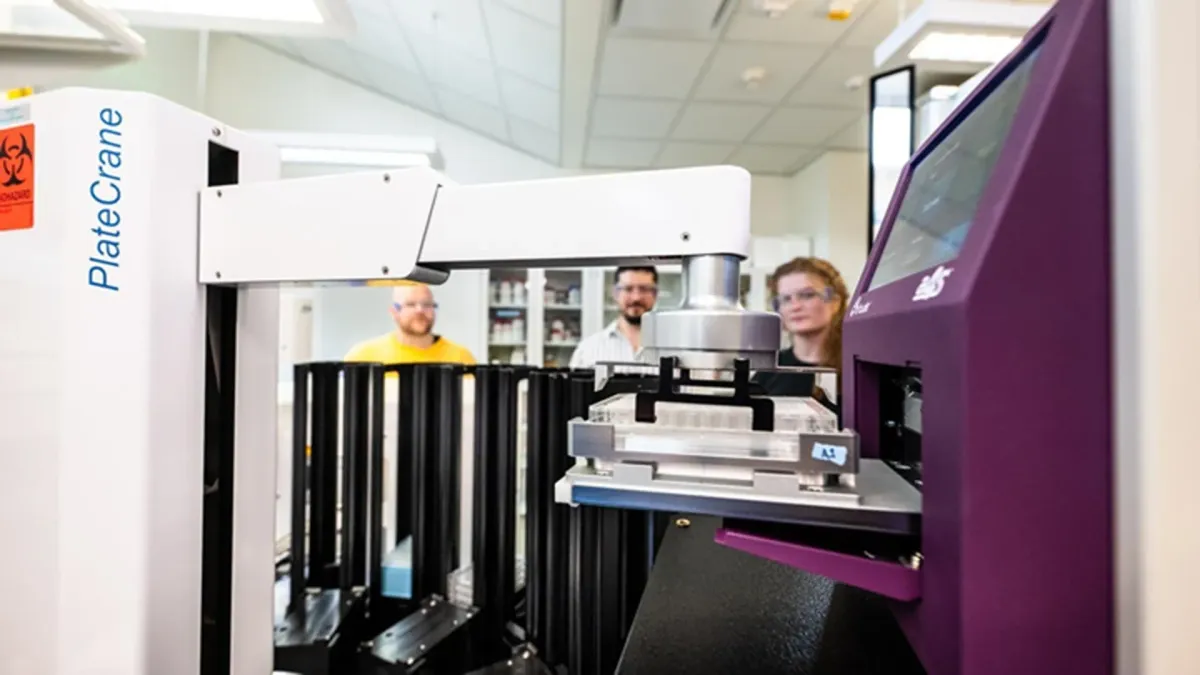
M.A.S.R. Saadi, a doctoral student at Rice and the study's lead author, described their new approach. They created a special spinning bioreactor that guides bacteria as they grow. This controlled movement helps align the cellulose fibers.
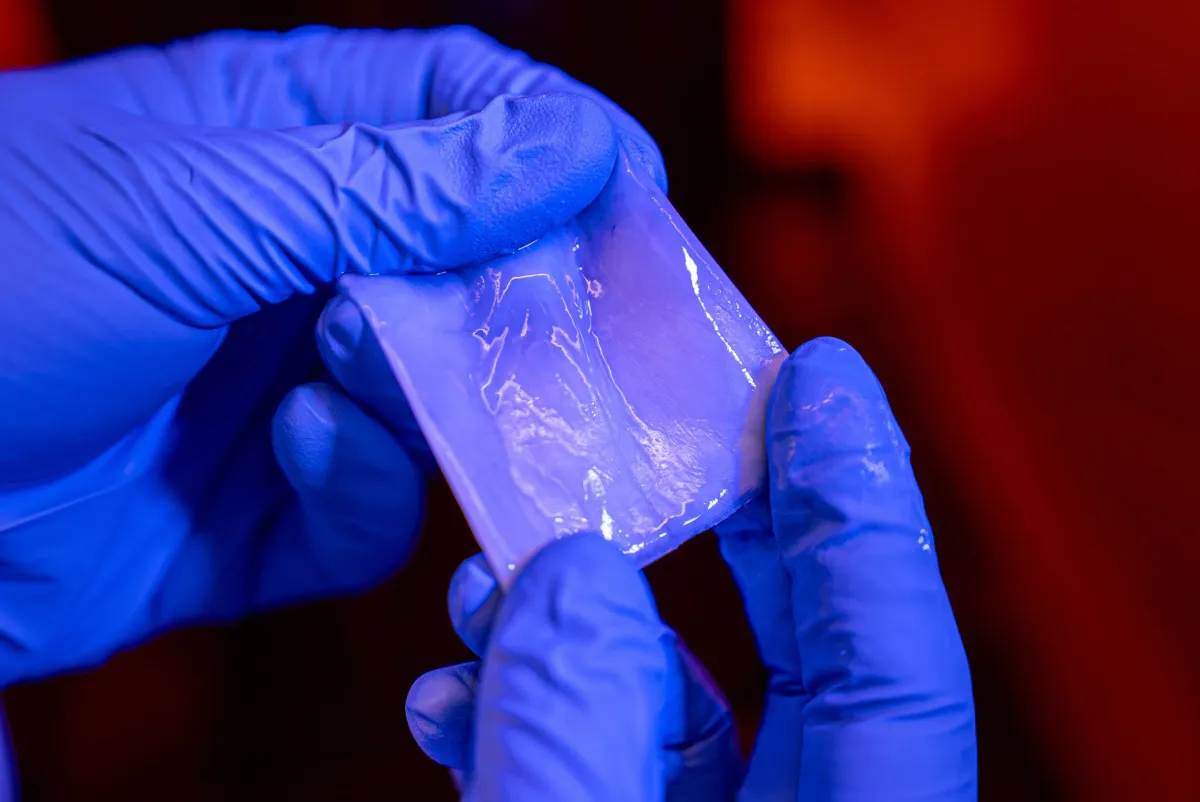
This alignment makes the microbial cellulose much stronger. Saadi said the new material is as strong as some metals and glass. Yet, it is also flexible, foldable, transparent, and good for the environment.
Controlling Bacteria for Better Strength
Normally, bacterial cellulose fibers grow in random directions. This limits how strong they can be. By using controlled fluid movement in their bioreactor, the scientists made the cellulose nanofibrils line up as they grew. This created sheets with a tensile strength of up to 436 megapascals.
The team also added boron nitride nanosheets during the process. This made a hybrid material that was even stronger, reaching about 553 megapascals. This modified material also handled heat better, getting rid of it three times faster than regular samples.
Saadi noted that this method allows for stronger materials with more uses. It's easy to add different tiny materials directly into the bacterial cellulose. This means they can customize the material for specific jobs.
Shyam Bhakta from Rice University helped with the biological parts of the research. Other contributors included Pulickel Ajayan, Matthew Bennett, and Matteo Pasquali.
A Versatile and Scalable Solution
Saadi compared the process to "training a disciplined bacterial cohort." Instead of letting bacteria move randomly, they are directed to move in a specific way. This aligns their cellulose production. This controlled movement and the flexibility of the method allow for both alignment and multiple functions.
The researchers believe this single-step process can be scaled up for many industries. It could be used for building materials, heat management, packaging, fabrics, green electronics, and energy storage.
Rahman sees these strong, eco-friendly bacterial cellulose sheets becoming common. He believes they can replace plastics in many areas and help reduce environmental harm.
Deep Dive & References
Flow-induced 2D nanomaterials intercalated aligned bacterial cellulose - Nature Communications, 2025