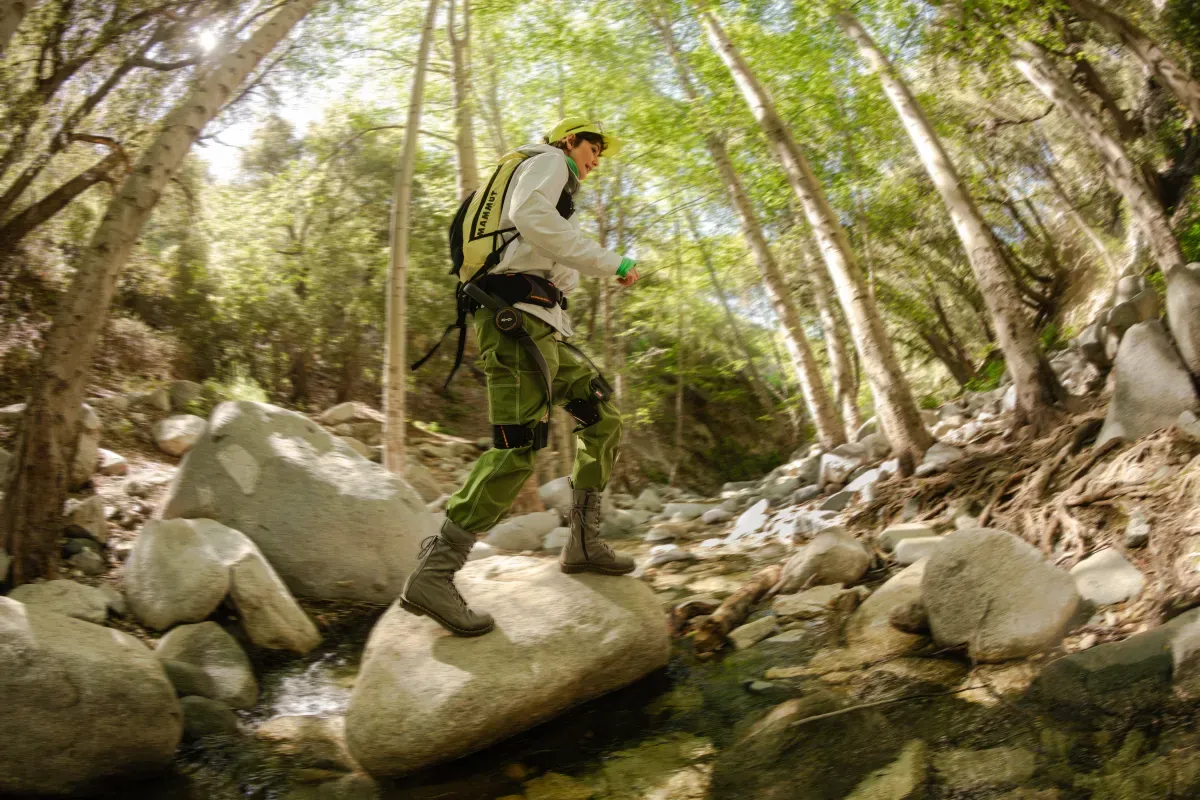
Hiking is great. Until your body decides it's not. For some, like those navigating the delightful complexities of POTS or Ehlers-Danlos syndrome, a long trek can feel less like an adventure and more like an Olympic-level cardio test for their heart and joints.
Enter the Hypershell X Ultra: a hiking exoskeleton that basically turns you into a cyborg, but for good. It's designed to give you an AI-driven boost with every single step, making those challenging trails a little less, well, challenging.
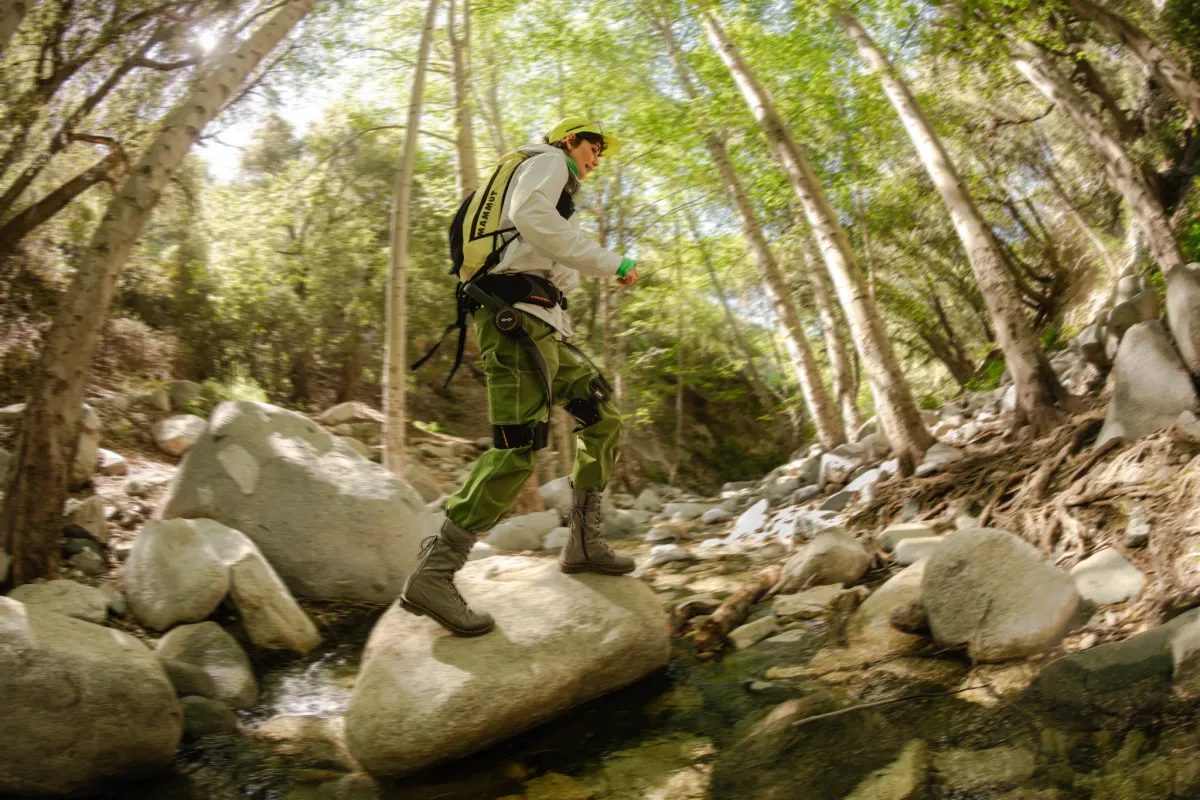
Weighing in at less than five pounds, this device promises to take the grunt work out of your hike. A team of intrepid journalists, including one who knows the POTS/Ehlers-Danlos struggle firsthand, put it to the ultimate test: the Grand Canyon. Because if it can handle that, it can probably handle your local park.
We're a new kind of news feed.
Regular news is designed to drain you. We're a non-profit built to restore you. Every story we publish is scored for impact, progress, and hope.
Start Your News DetoxYour New Hiking Buddy
So, how does this bionic hip-hugger actually work? The Hypershell X Ultra straps to your hips, with motors at each side that gently nudge your stride forward. It's made from titanium alloy and carbon fiber, which explains its feathery 4.7-pound weight – impressive, considering the tech packed inside.
The real magic comes from its "HyperIntuition AI motion-control system." This isn't just a fancy name; it adapts to 12 different types of terrain in real time. We're talking uphill, downhill, stairs, gravel, snow, and even sand dunes. The M-One Ultra motor packs a punch with 1,000 watts of power, and a single charge will carry you for 30 kilometers. That's enough to conquer some serious trails, like the Bright Angel Trail, without needing to plug in.

You control your bionic legs with a companion app, offering four key modes:
- Eco: A gentle, adjustable assist.
- Hyper: More oomph, also adjustable.
- Transparent: For when you want to go au natural and disengage the motors.
- Fitness: This one's a curveball – it adds resistance, turning your hike into a workout.
There are physical buttons too, but the app is generally quicker for those on-the-fly adjustments.
The Feel of Flight (Almost)
Once you're strapped in, the Hypershell X Ultra feels like a subtle lift at the beginning of your stride. It's most noticeable when you first start, then it blends into the background, letting you focus on the scenery instead of your burning quads. The AI is constantly adjusting to your pace and gait, making those changes so smooth you barely notice them. It even helps keep your gait aligned, gently guiding your hips back to center if they start to wander.
Going downhill takes a moment to get used to. The device isn't going to drag you down the mountain like a runaway trolley; you're still in full control of your speed. And that "Fitness" mode? A delightful surprise. It adds resistance, like walking with a built-in resistance band, which is surprisingly beneficial for proprioception – your body's sense of where its limbs are in space. A huge win for anyone with hypermobility.

The Numbers Don't Lie
To really nail down its impact, one journalist tackled the same Grand Canyon hill three times, switching modes. The results are pretty compelling:
- Transparent (no assist): Heart rate shot from 102 bpm to a peak of 158 bpm.
- Eco mode: Peak heart rate dropped to 126 bpm.
- Hyper mode (max assist): A comfortable 118 bpm peak.
On flat terrain, cruising at 2 mph, the difference was even more stark:
- Transparent mode: An average heart rate of 128 bpm.
- Eco or Hyper mode: A much calmer 96 bpm average.
Let that satisfying drop in cardiac effort sink in. Beyond the numbers, the journalist reported less knee pain, more confidence in their steps, better muscle engagement, and significantly less leg fatigue both during and after the hike. Which, if you've ever felt that post-hike leg jello, sounds like a miracle.
The Hypershell X Ultra isn't just for extreme athletes. It's for anyone who wants to enjoy the trails without their body staging a full-scale rebellion. While it wasn't tested for running or quick turns (dislocations are a buzzkill, apparently), for regular hiking, it's poised to get more people out there, exploring further, and enjoying the great outdoors with a little extra spring in their step. Because who couldn't use a bionic boost sometimes?