Imagine a world where your lab assistant isn't just competent, but learns by osmosis. No, not that kind of osmosis. We're talking about AI-powered robots at Argonne National Laboratory that are being trained to perform complex scientific experiments simply by observing human researchers.
This isn't some far-off sci-fi fantasy. It's called RoSA, the Robot Scientific Assistant, and its mission is to double American research productivity within the next decade. Because apparently, that's where we are now: training robots to be better, faster scientists than us.
The Ultimate Shadowing Program
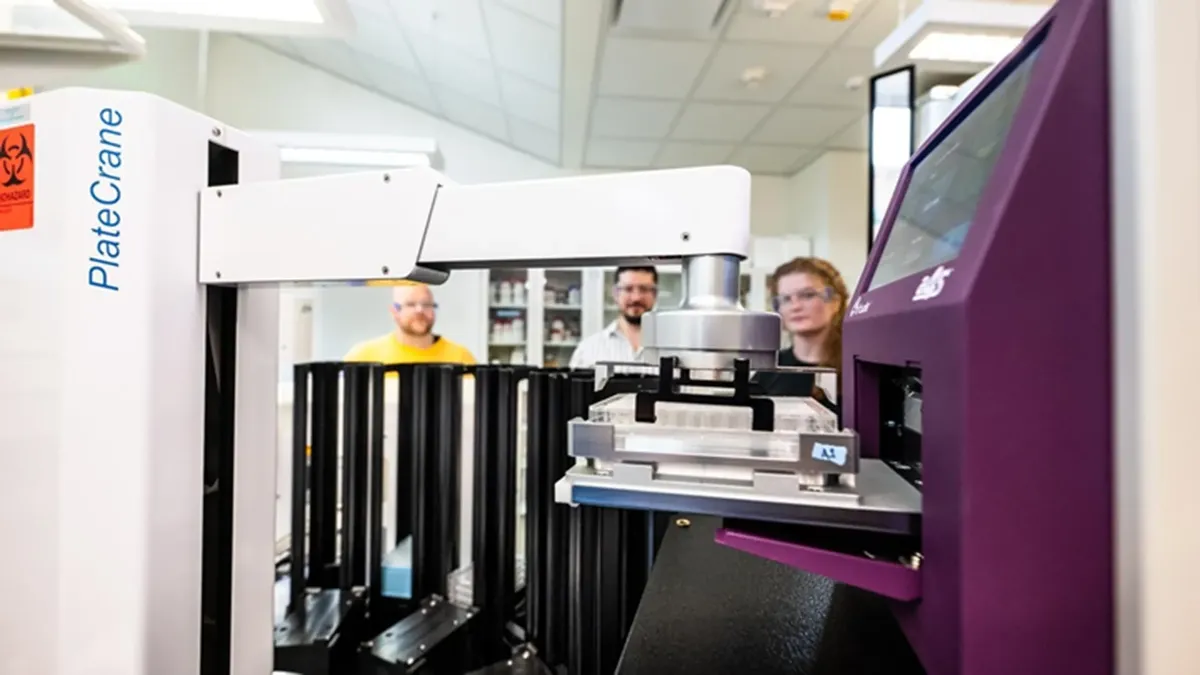
Instead of laboriously programming every single movement, the Argonne team is taking a more... organic approach. Scientists will don sensors while performing lab tasks, allowing the system to capture their every movement, workflow, and even their decision-making process. The robots then get to imitate these patterns. Think of it as the most advanced, least awkward shadowing program ever conceived.
We're a new kind of news feed.
Regular news is designed to drain you. We're a non-profit built to restore you. Every story we publish is scored for impact, progress, and hope.
Start Your News DetoxNicola Ferrier, a senior computer scientist at Argonne, points out that while fine-motor skill robots exist, getting them to work safely and effectively in a real lab is a whole other beast. Their solution? Start by learning directly from the experts.
This data will feed AI models, teaching the robots the nuances of scientific procedures. The hope is that this direct learning will allow them to adapt to the wonderfully unpredictable world of a dynamic lab without constant human intervention. Which, if you think about it, is both impressive and slightly terrifying.
More Than Just Robot Arms
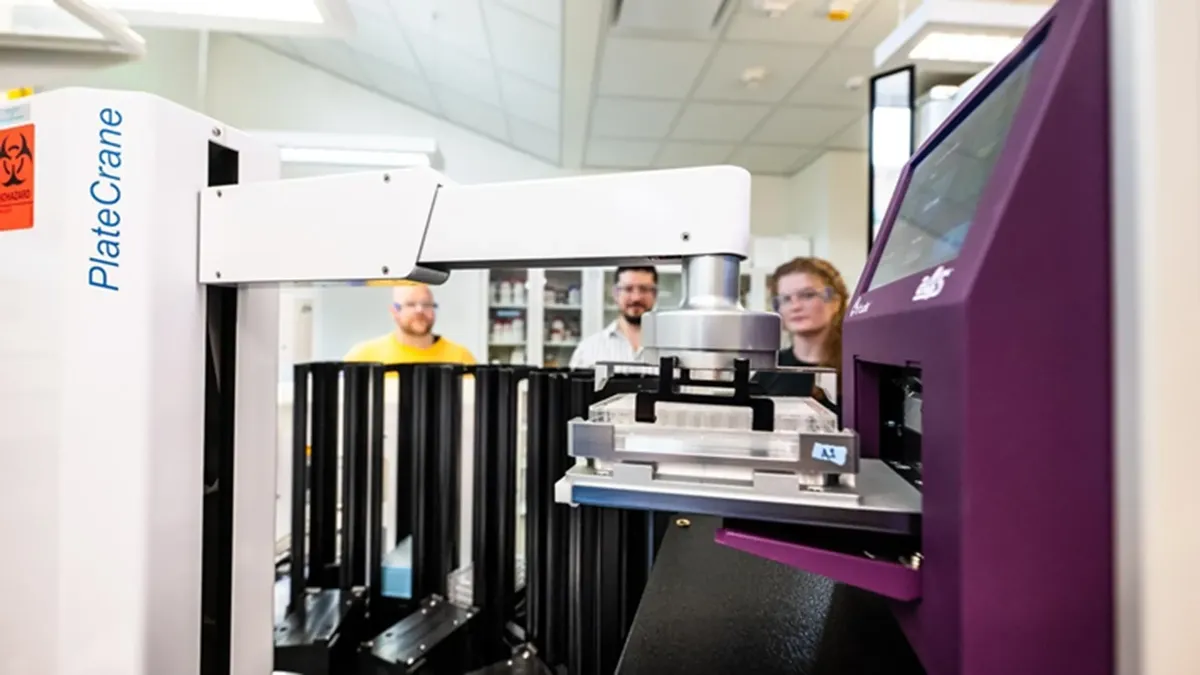
Ferrier, leading the robotics and computer vision, teams up with computational scientist Arvind Ramanathan, who brings expertise in autonomous labs and AI-driven decision-making. Together, they're not just building a robot; they're building a new way to do science.
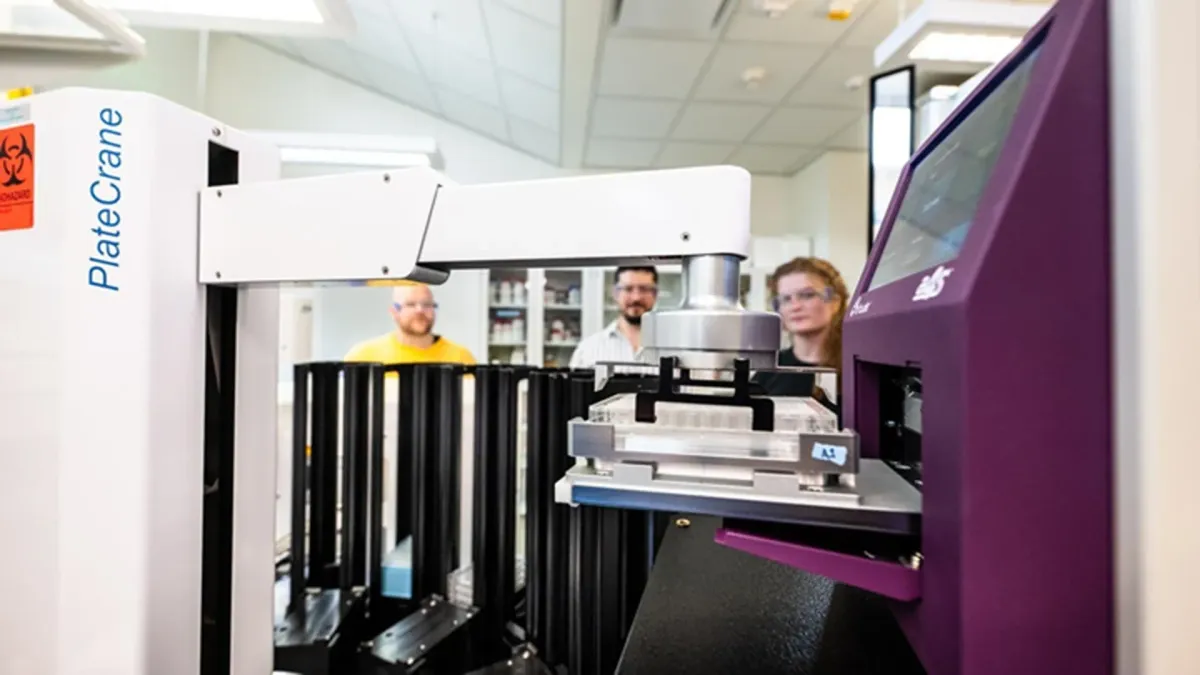
The team is also categorizing common lab tasks by complexity and precision, matching specific robotic systems to the most suitable jobs. We're talking everything from fixed-base robotic arms for delicate work to humanoid robots, and even hybrid systems that combine mobility with stationary precision. They'll even get a test drive in virtual environments before they ever touch a real beaker.
This whole endeavor also feeds into another Department of Energy initiative called OPAL (Orchestrated Platform for Autonomous Laboratories), which aims to create networks of self-driving labs that learn and adapt on their own. Ramanathan envisions dexterous robots tackling biological experiments, speeding up discovery across countless scientific fields.
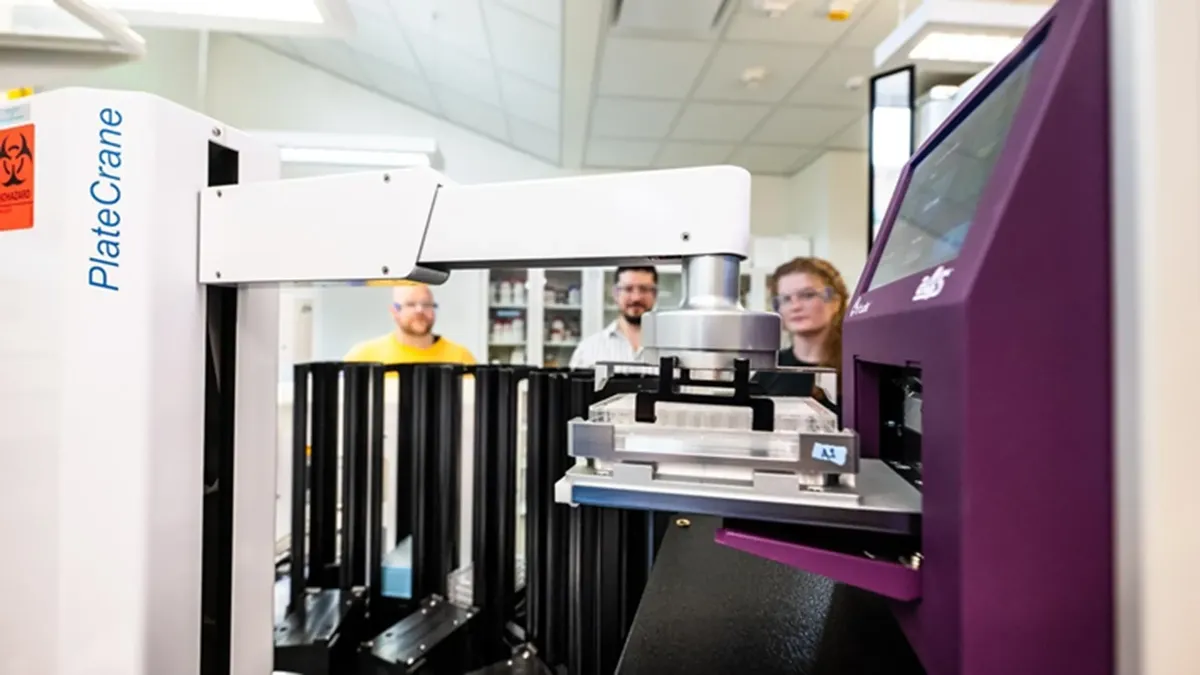
Ultimately, these robot scientific assistants could handle the repetitive, dangerous, or just plain tedious lab work, freeing up human brains for the stuff that actually requires, well, a human brain. The Argonne team is aiming for a fivefold increase in task efficiency within the next year. In the long term, they picture robots working seamlessly with existing lab equipment, making complex experiments safer and, dare we say, more efficient. RoSA is just the first step into that rather intriguing future.