Imagine a world where you're trying to order a coffee, and the barista just stares blankly. Or trying to make new friends, and the conversation hits a wall. For the roughly 70 million deaf people worldwide who use one of 300 sign languages, these daily interactions can be a surprising hurdle.
But what if your fingers could do the talking, quite literally? A South Korean team has developed a set of smart rings that turn sign language into text, and they're bringing a very familiar tech trick to the table: autocomplete. Because apparently, even your hands need a little predictive text these days.
The Smartest Jewelry You'll Own
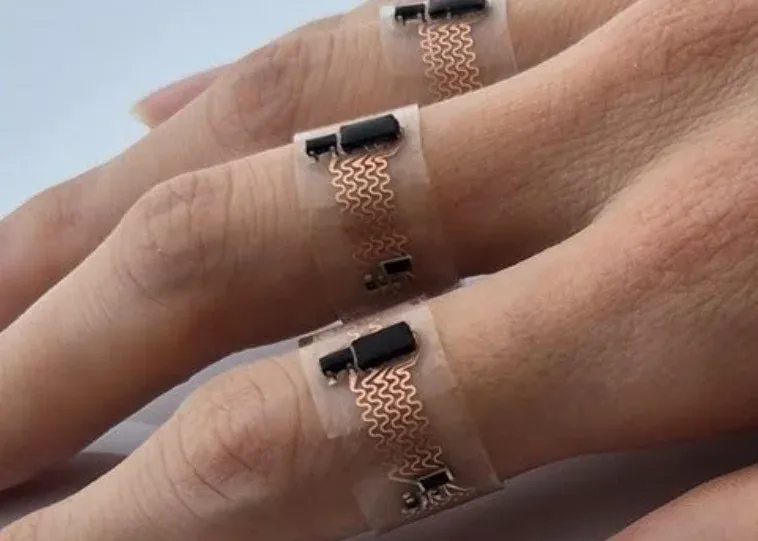
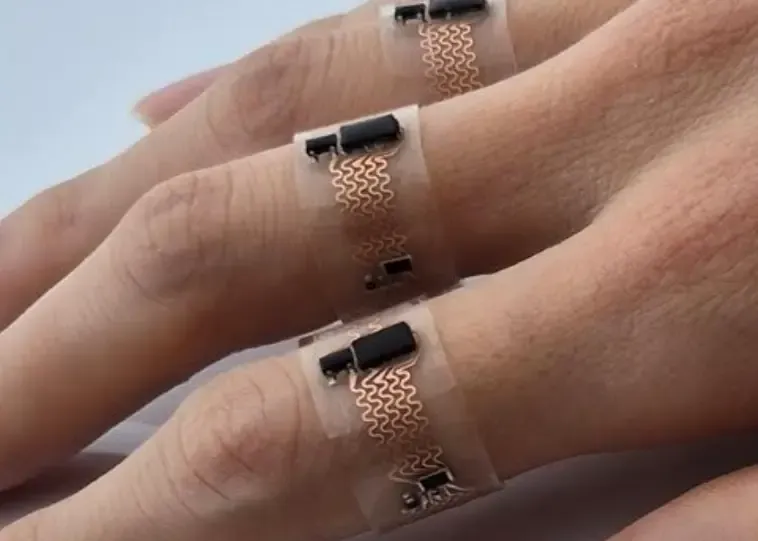
Unlike clunky, wired devices of the past, these new rings are wireless and stretchy, designed to fit different finger sizes without feeling like you’re wearing a medieval gauntlet. Each ring, worn just below the second knuckle, tracks movements with a tiny accelerometer – the same tech that helps your Apple Watch know when you're dramatically gesturing. They're cheap, power-efficient, and run on a replaceable battery that lasts about 12 hours. Which, if you think about it, is both impressive and slightly terrifying for a device smaller than your average gummy bear.
We're a new kind of news feed.
Regular news is designed to drain you. We're a non-profit built to restore you. Every story we publish is scored for impact, progress, and hope.
Start Your News DetoxThe real magic happens when these rings, which look more like clear bandages than actual jewelry, send their data to a main processing unit. There, your finger wiggles are matched against a database of 100 common words in American Sign Language (ASL) and International Sign Language (ISL). Want to say "want"? Close both open palms into fists. Want to "dance"? The rings track that motion, too.
But here’s where it gets truly clever: the AI-powered autocomplete. Because fluent signers can communicate at 100 to 150 signs per minute (about the same speed as spoken conversation), awkward pauses are a real buzzkill. So, like your phone guessing your next word, the system predicts what you're trying to say, helping generate phrases like "family want beautiful animal" with impressive speed. In tests, it was over 88% accurate, even for first-time users. Let that satisfying number sink in.

Beyond the Fingers
While the rings are a significant leap toward "seamless interaction between signers and non-signers," they're not the whole picture. Sign language isn't just about finger gestures; it’s a full-body experience. Facial expressions, mouth movements, shoulder posture, even the speed and rhythm of signing all carry crucial meaning and emotion. Without that context, a system could easily miss the nuance, turning a heartfelt plea into a simple statement.
Still, the potential here is huge. Imagine a Google Translate for different sign languages, or these rings helping in virtual reality, touchless computer interfaces, or even rehabilitation. For now, they're a fascinating step towards breaking down communication barriers, one brilliantly predictive finger movement at a time.