Ever notice how your phone gets a little toasty after a marathon scrolling session? Or how your smartwatch seems to run out of juice just when you need it most? Blame the memory. Those tiny circuits inside our devices are constantly guzzling power and generating heat, which is great if you're trying to keep your hands warm in winter, but less ideal for battery life.
But what if memory didn't have to be such a power hog? What if, instead of getting worse as it shrank, it actually got better? That's the absurdly good news coming out of Tokyo, where researchers have cooked up a memory device so small, it could make your gadgets last for months on a single charge.
The Leak That Launched a Breakthrough
Traditional computer memory stores data by playing a delicate dance with electricity. Flip a switch, change the flow, store a bit. The less electricity needed for this dance, the longer your battery lasts. Enter ferroelectric tunnel junctions (FTJs), a promising new memory tech that uses a material whose internal electric state can be flipped, affecting current flow and thus, storing data.
We're a new kind of news feed.
Regular news is designed to drain you. We're a non-profit built to restore you. Every story we publish is scored for impact, progress, and hope.
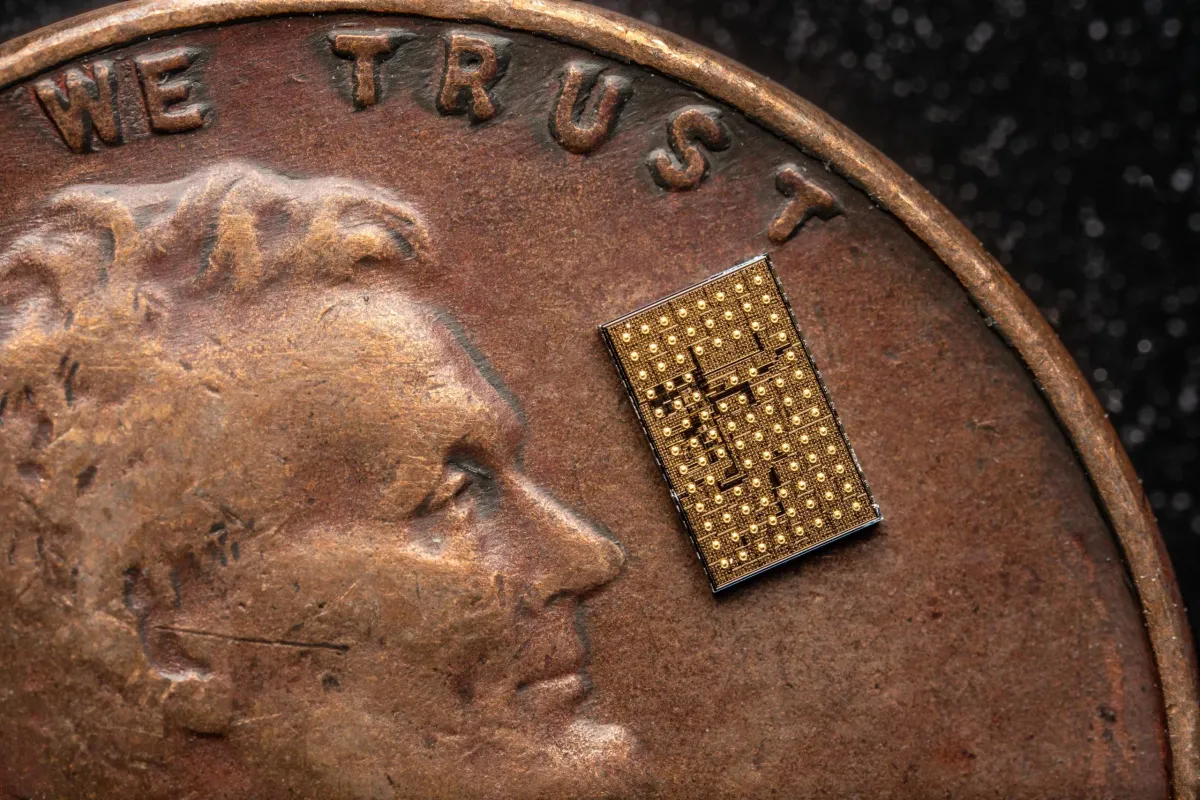
Start Your News DetoxFor a long time, the rule of thumb was: the smaller you make memory, the worse it gets. Performance dropped, leakage happened, and miniaturization hit a wall. But back in 2011, scientists discovered that hafnium oxide could maintain its electric state even when incredibly thin. Fast forward to today, and Professor Yutaka Majima and his team at the Institute of Science Tokyo have pushed this idea to its logical, tiny extreme: a memory device just 25 nanometers wide. That's about 1/3000th the width of a human hair. Let that satisfyingly small number sink in.
Making memory this minuscule usually means one thing: electrical leakage. Those tiny crystal boundaries in the material become a sieve for electrons. Instead of throwing their hands up, the Tokyo team decided to lean into the problem. They made the device even smaller. Counter-intuitive, yes, but by shrinking it further, they actually reduced the overall effect of those pesky boundaries.
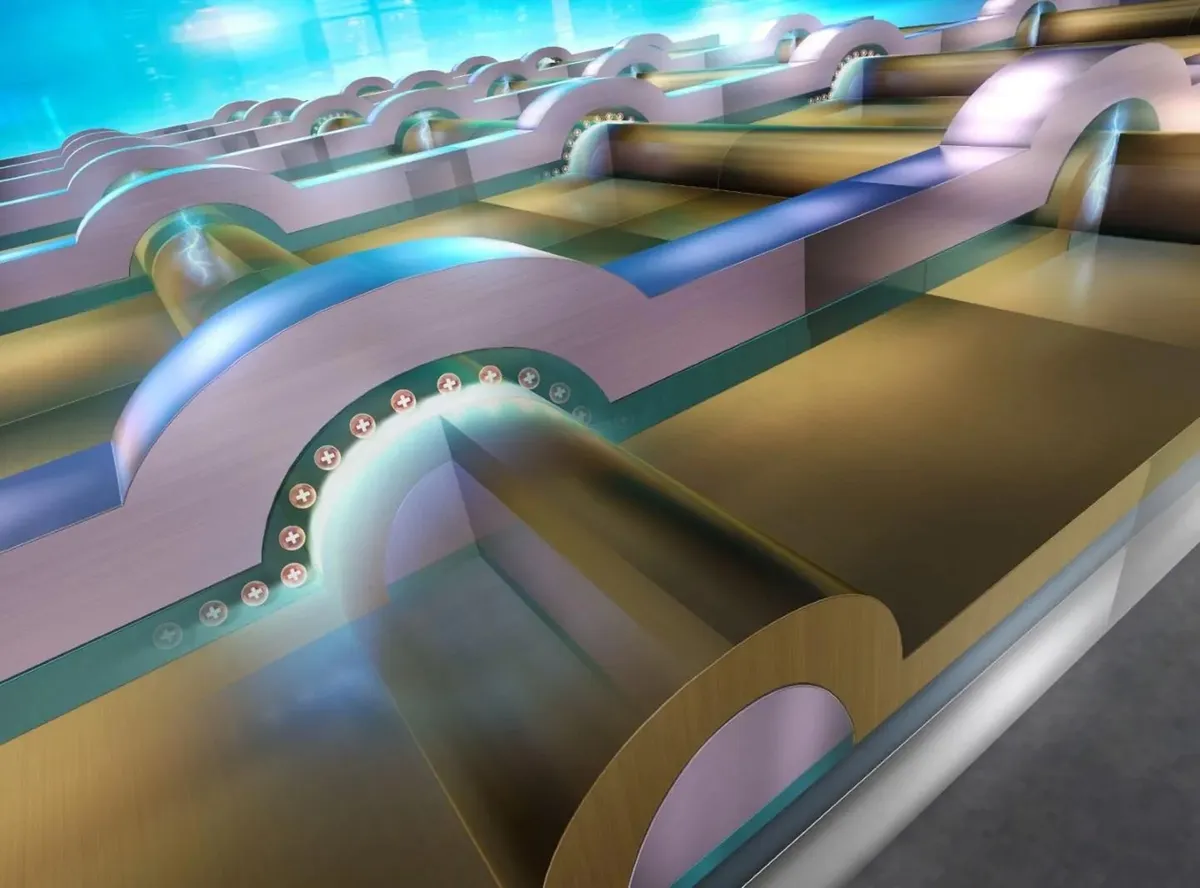
They also did something rather clever with the electrodes, heating them up until they formed a semicircular shape. This created a structure that behaved more like a single, unified crystal, drastically cutting down on the leakage points. Because apparently, sometimes the best way to fix a leak is to reshape the entire plumbing.
Tiny, Mighty, and Coming Soon
The result? A memory device that not only works at an impossibly small scale but improves in performance as it shrinks. This flips decades of conventional wisdom on its head and makes for some genuinely exciting possibilities.
Imagine a smartwatch that doesn't need charging for months. Or a vast network of sensors for smart cities that just… keep working. For the insatiable demands of AI, this new memory could mean faster processing with a fraction of the energy. And since hafnium oxide already plays nice with current manufacturing processes, this isn't some far-off sci-fi dream. It could be in your next device, making your life a little less tethered to a wall outlet.
Professor Majima, ever the understated scientist, noted that challenging scientific limits is a continuous struggle. And sometimes, that struggle delivers a tiny, powerful win that could change everything.