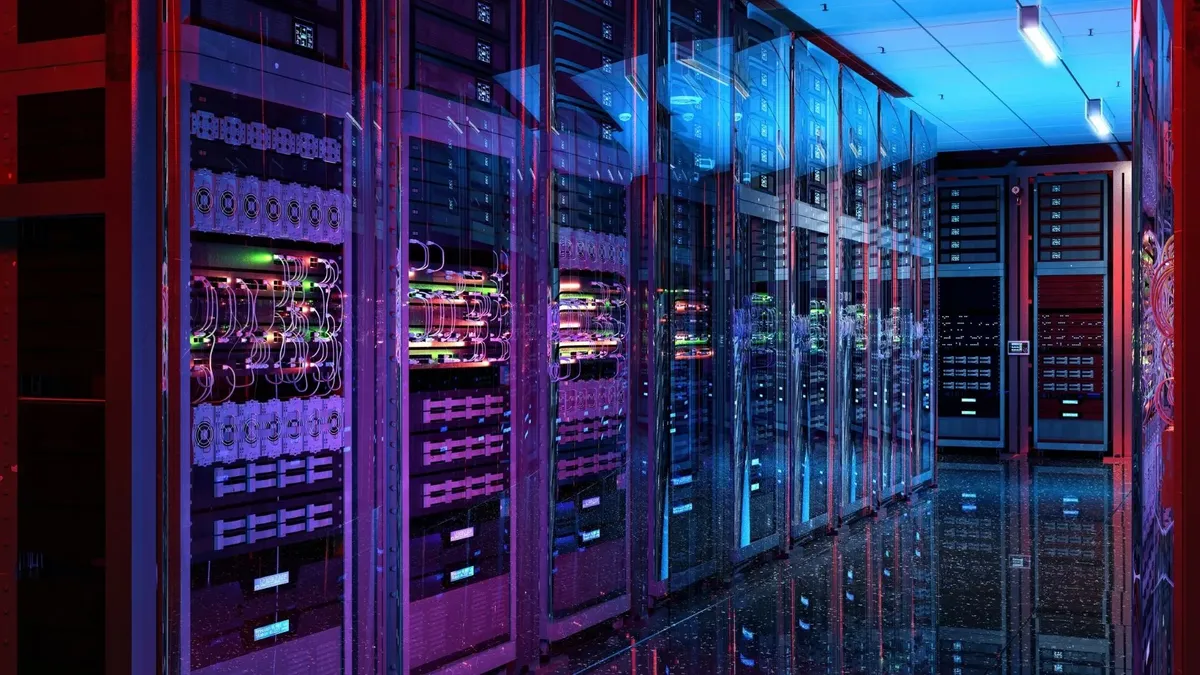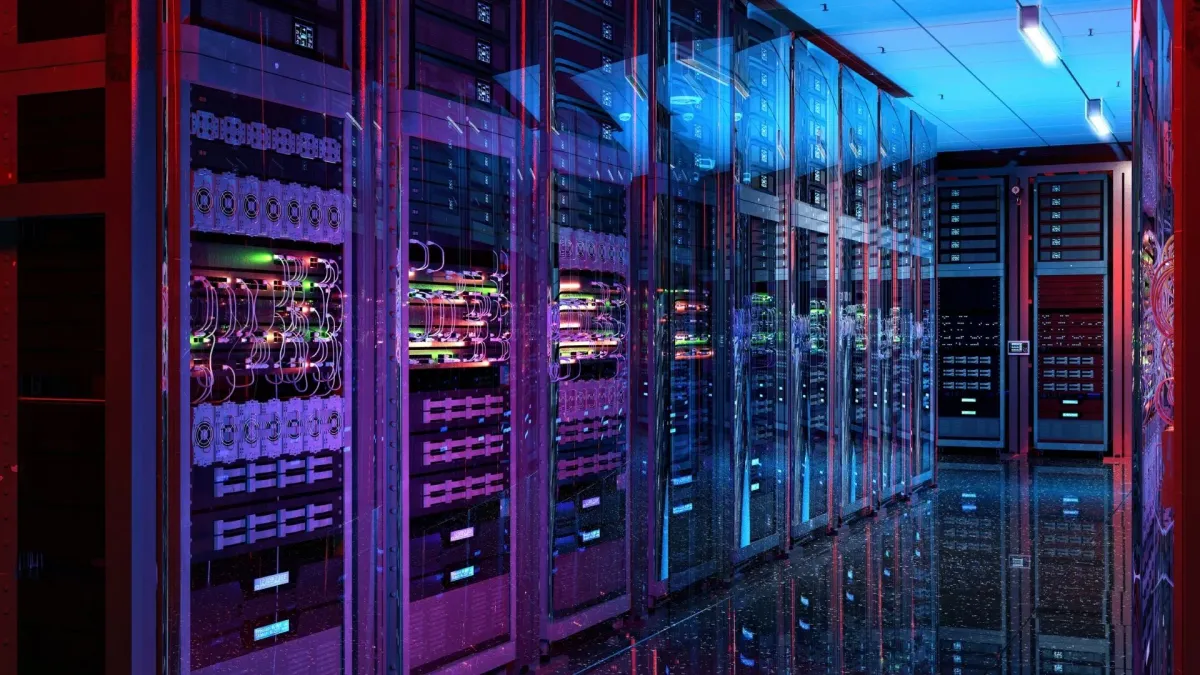
An energy company just decided its existing supercomputers weren't quite super enough. TotalEnergies, the French energy giant, is building a new AI supercomputer named Pangea 5, and it's set to boost their computing power by six times.
Because apparently, when you're mapping the Earth's innards and trying to figure out the future of energy, you need a serious digital brain. Pangea 5 will be installed at the company's Jean Féger Scientific and Technical Center in Pau, France, and is expected to come online in 2027.
The New Brains of the Operation
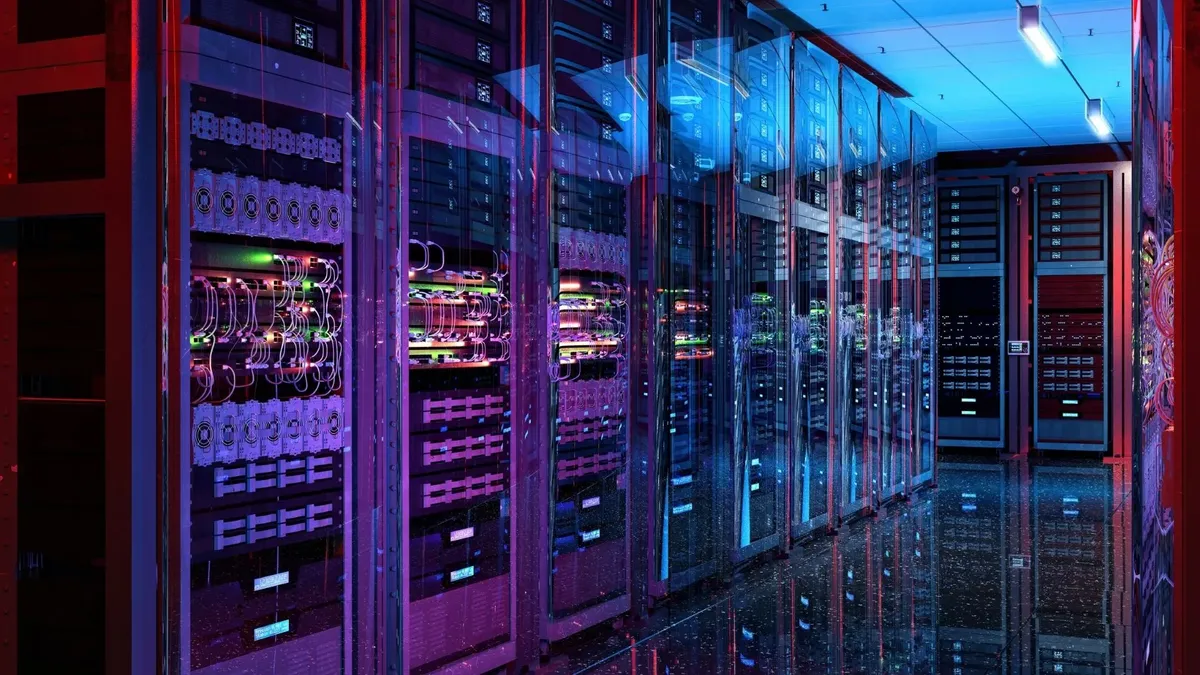
This isn't just a bigger hard drive. The project, a partnership with Dell Technologies and NVIDIA costing over 100 million euros, is designed to crunch truly enormous datasets. Think advanced seismic imaging, which is basically giving the Earth an ultrasound to map underground structures. The kind of thing that makes you appreciate the complexity of a gas station.
We're a new kind of news feed.
Regular news is designed to drain you. We're a non-profit built to restore you. Every story we publish is scored for impact, progress, and hope.
Start Your News DetoxTotalEnergies also plans to throw AI-based research and modeling for integrated power systems at Pangea 5. Because when you're dealing with energy production and the ever-tricky transition to new energy technologies, speed and precision are rather important. Namita Shah, President of OneTech at TotalEnergies, put it plainly: AI and digital tech are "key for their energy transition."
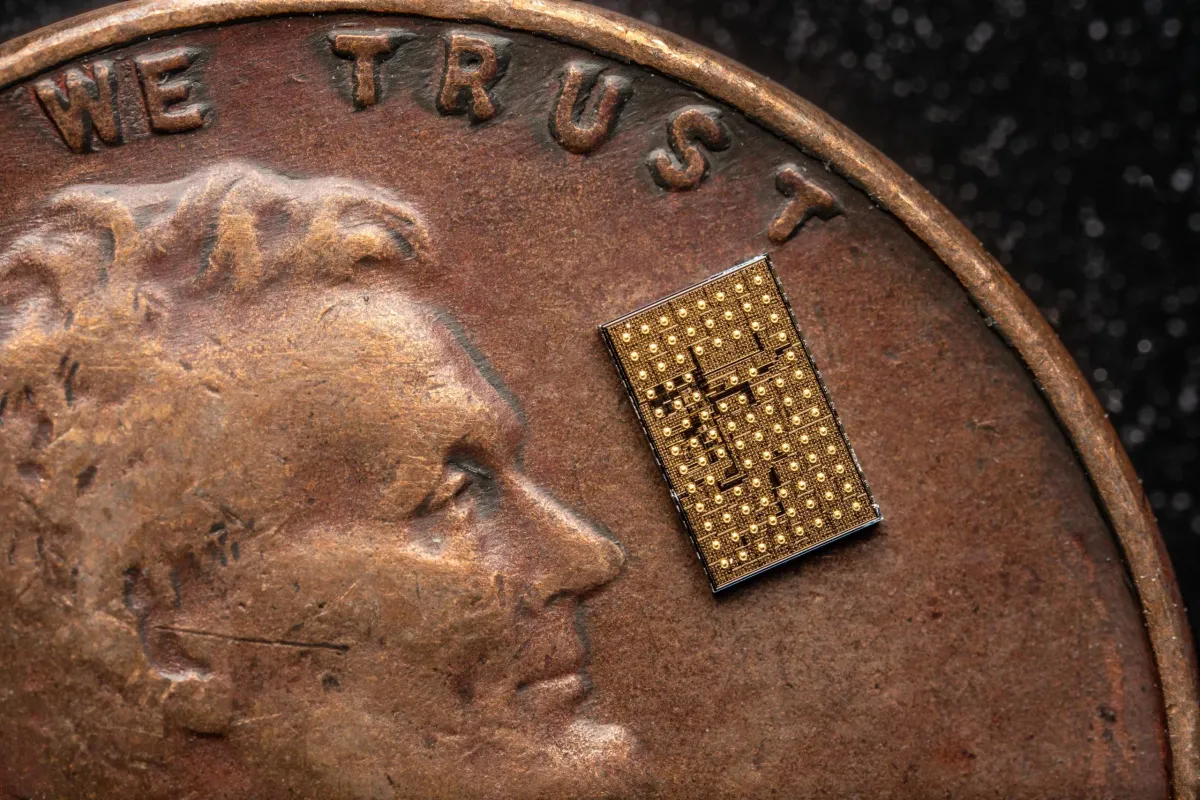
What makes it so fast? The system will use special processors for parallel computing tasks, which are essentially chips designed to tackle massive scientific and industrial workloads far more efficiently than older systems. It's like upgrading from a calculator to a rocket scientist.
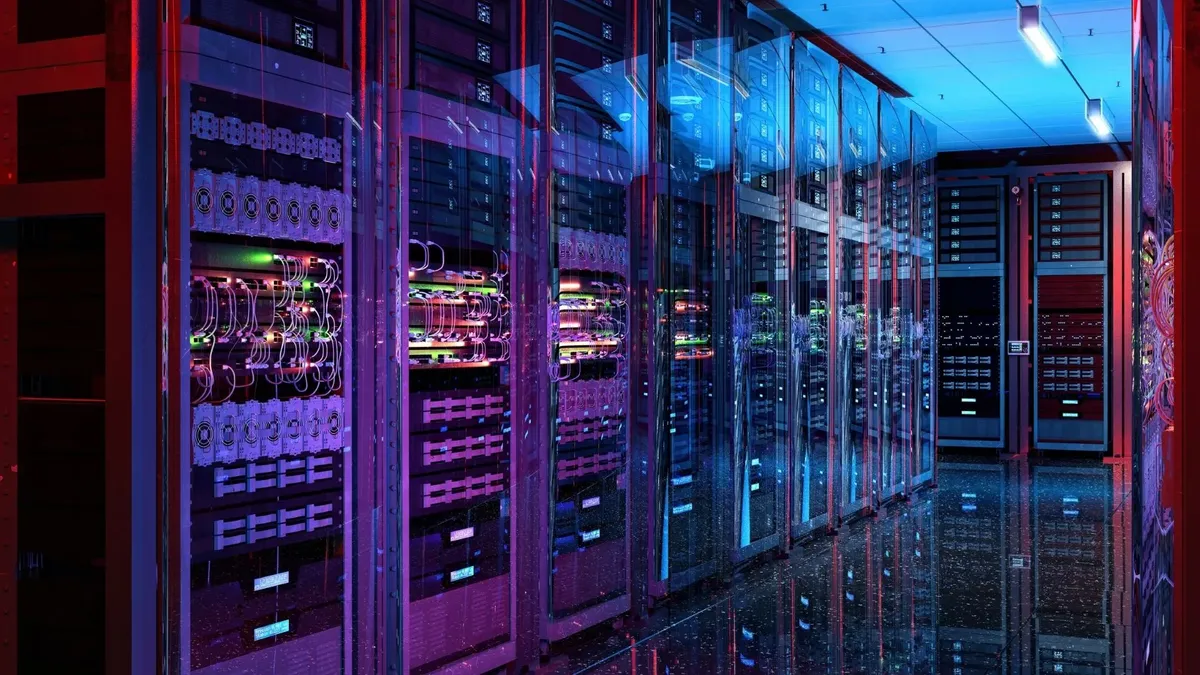
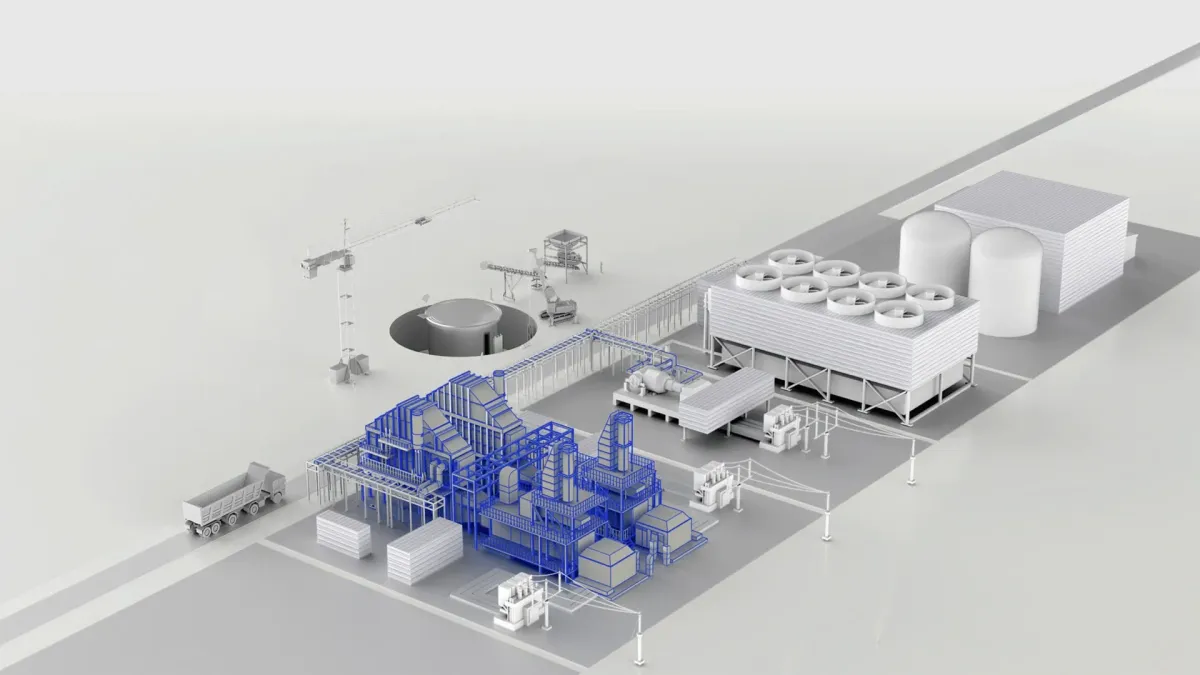
Even better, Pangea 5 is expected to cut energy consumption by about 40% for the same performance level as its predecessors. Its cooling system is projected to use five times less energy, and the heat it does generate will be recycled to warm the buildings at the research center. Because if you're going to generate a lot of heat, you might as well put it to good use.
NVIDIA's platforms, including their GPUs, CPUs, and InfiniBand networking technology, are powering this beast. John Josephakis, Vice President HPC & AI at NVIDIA, stated that this will provide "exceptional parallel computing power" and create new opportunities in AI. Which, if you think about it, is both impressive and slightly terrifying.
Essentially, high-performance computing like Pangea 5 is becoming the backbone of the energy industry, helping companies run detailed underground simulations, improve drilling accuracy, and optimize energy infrastructure. It's a clear sign that AI isn't just for chatbots anymore; it's now central to how we find, model, and manage the world's power.