Turns out, even artificial intelligence needs a good, old-fashioned power cord. And a massive one at that. To keep up with the insatiable energy demands of AI and advanced manufacturing, a new hybrid power plant in Texas is gearing up to deliver a whopping 2.5 gigawatts of electricity by… well, sooner than you'd think for a nuclear project. Because apparently, the future can't wait.
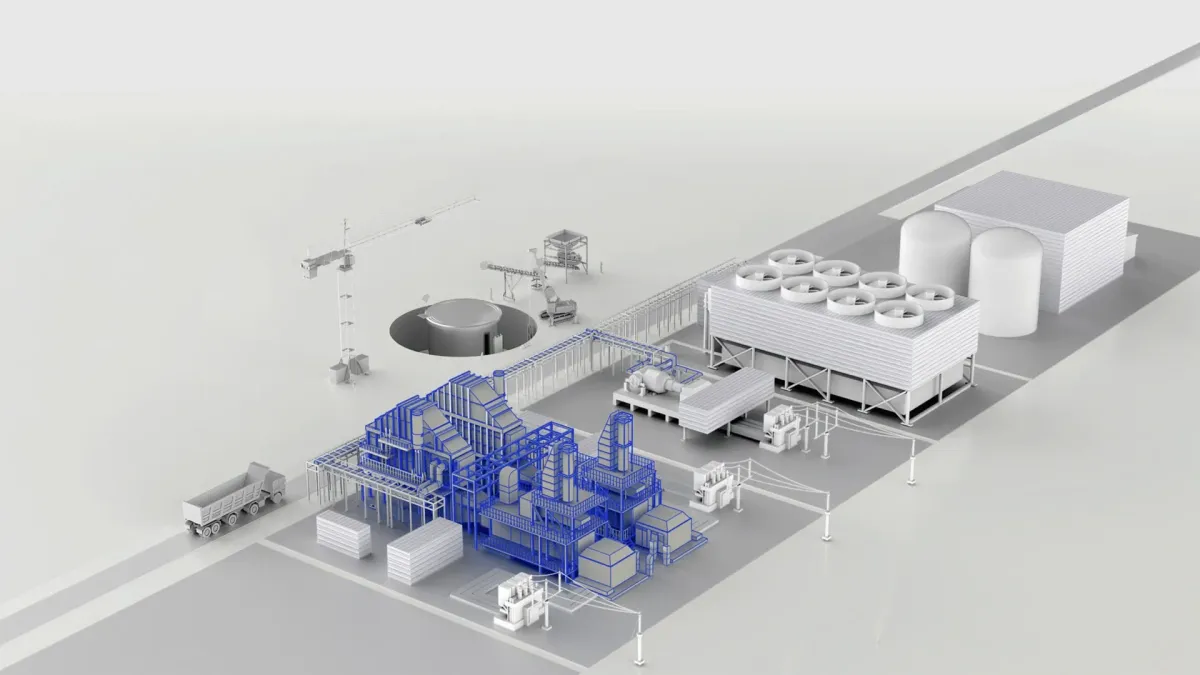
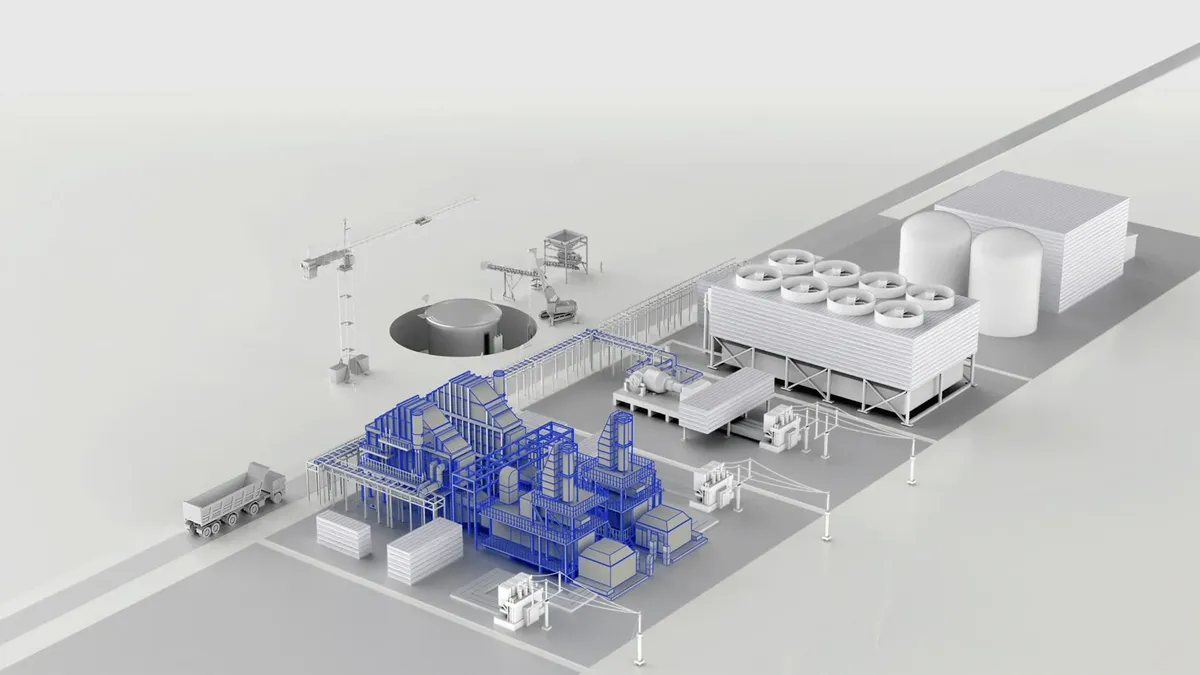
Blue Energy and GE Vernova are teaming up on a plan that sounds a bit like an energy-sector mullet: business in the front (natural gas), party in the back (nuclear). The idea is to get power flowing fast using high-efficiency gas turbines, then slowly transition the whole operation to small modular nuclear reactors. It’s a bit of a bypass around the notoriously long timelines for nuclear plant construction.
The Need For Speed (and Power)
Let's be clear: we're talking about a lot of electricity. Enough to power a small country, or at least a very, very large data center campus. The sheer energy appetite of AI is becoming a real challenge, and traditional nuclear builds can take a decade or more to get off the ground. This hybrid approach aims to shave years off that schedule.
We're a new kind of news feed.
Regular news is designed to drain you. We're a non-profit built to restore you. Every story we publish is scored for impact, progress, and hope.
Start Your News DetoxHere’s how it works: early site work could kick off by 2026. Then, by 2030, two GE Vernova 7HA.02 gas turbines, providing about 1 gigawatt, will start pumping out electrons. Think of it as the appetizer. The main course — GE Vernova Hitachi Nuclear Energy's BWRX-300 small modular reactors — will then ramp up by 2032. This phased approach, approved by the U.S. Nuclear Regulatory Commission, means power delivery could begin in as little as 48 months from the project's start.
Jake Jurewicz, CEO of Blue Energy, noted they're combining "critical infrastructure, safe reactor technology, and a financeable delivery model." Which, if you're keeping score, means building safe nuclear power on time and on budget. A concept that, for a long time, felt like a unicorn.
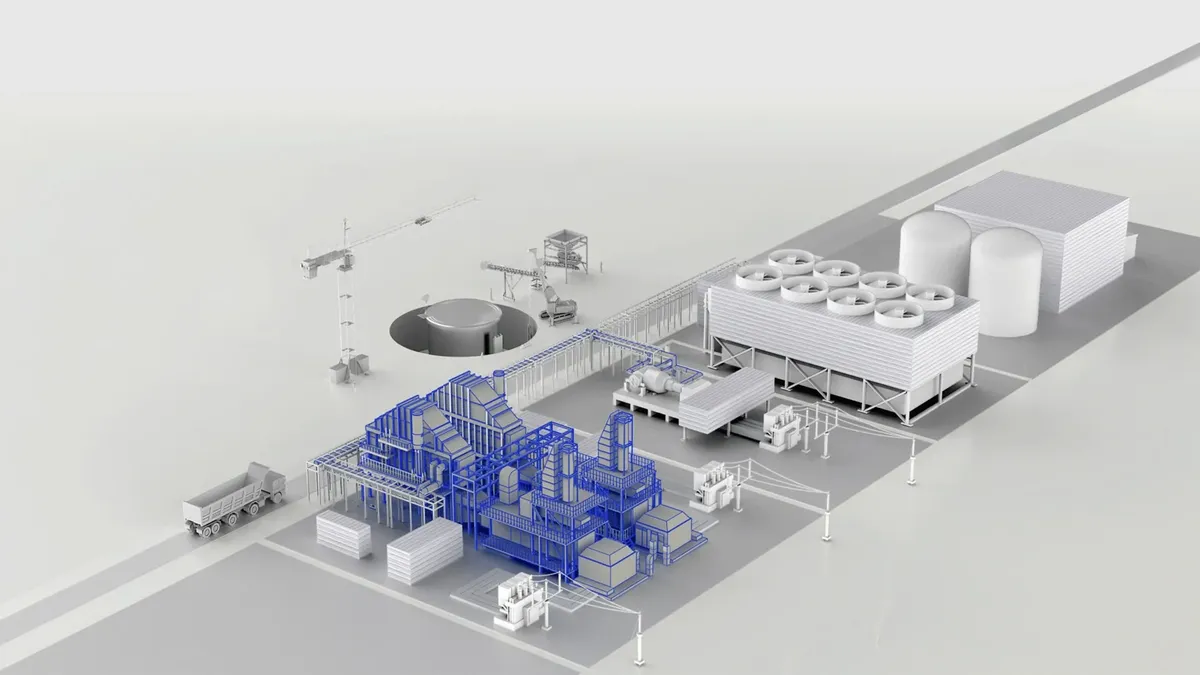
This modular construction strategy — building large components offsite and assembling them on location — also promises to cut costs and speed things along. It's a pragmatic move to bridge the gap between today's energy needs and tomorrow's cleaner, more sustainable power sources. Because while everyone loves a good AI chatbot, nobody wants a blackout mid-conversation.