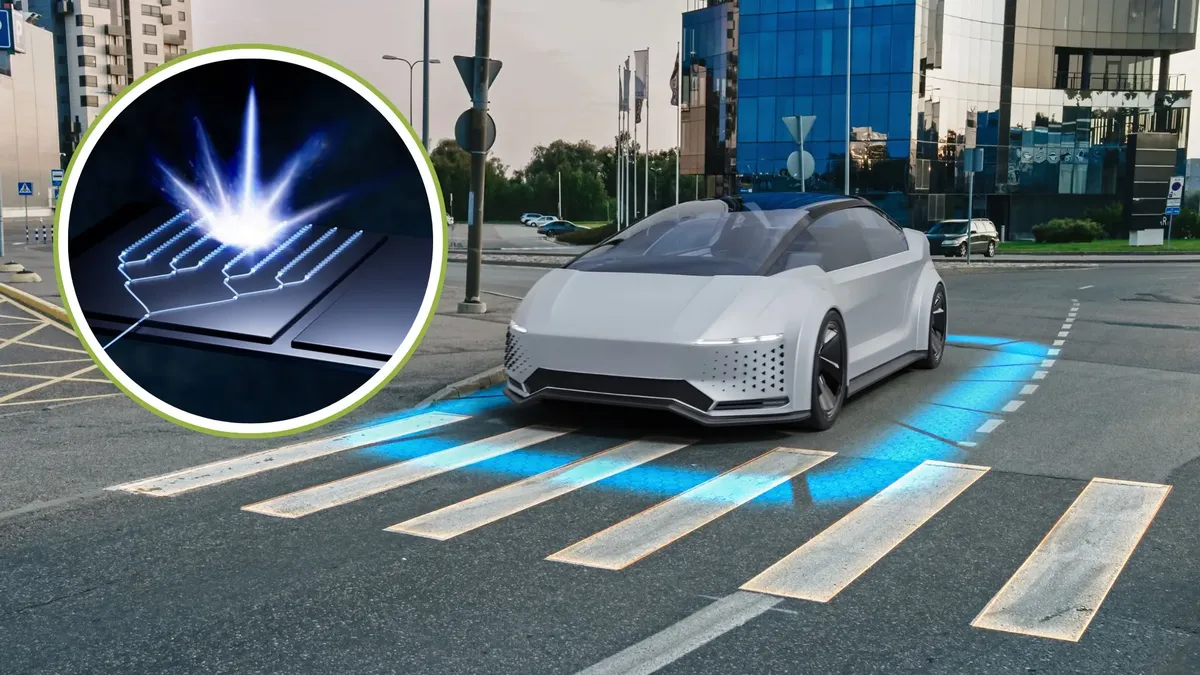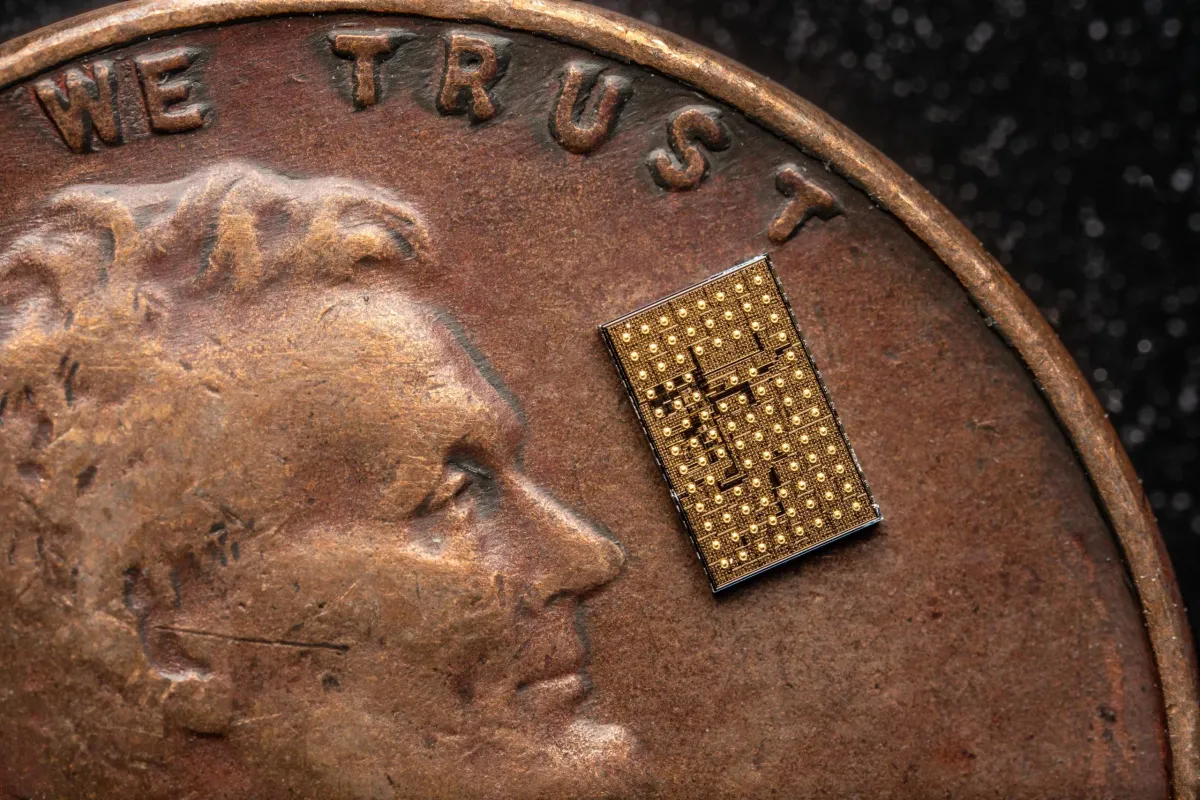
A team at MIT has cooked up a new silicon-photonics chip that could give self-driving cars the kind of vision usually reserved for superheroes. Think smaller, tougher, and way more accurate lidar systems that see everything without breaking a sweat.
Lidar, for the uninitiated, is basically how autonomous vehicles map their surroundings and spot obstacles using infrared light pulses. The problem? Current systems are clunky, expensive, and often rely on moving parts that tend to, well, move themselves right into an early grave. Not ideal for something meant to keep you from running into a fire hydrant.
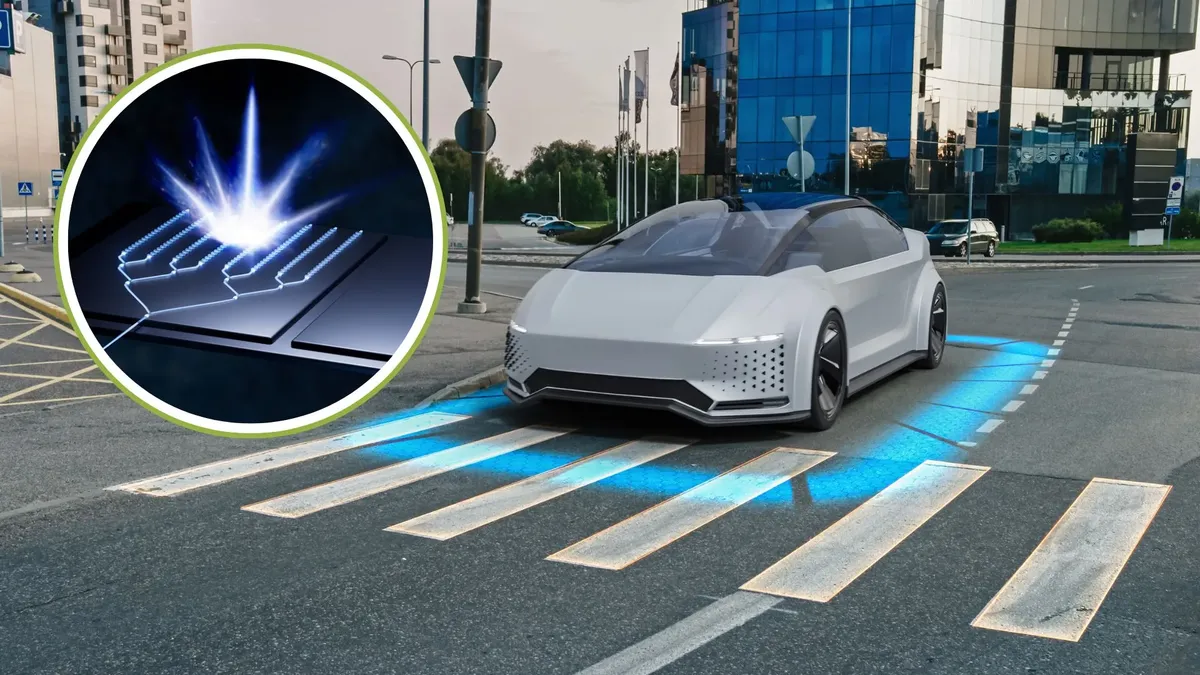
Finally, Wide-Angle Vision Without Moving Parts
The MIT crew tackled a fundamental headache: getting chip-based lidar to see a wide field of view without the signal turning into a garbled mess. Their solution involves an integrated antenna array that's a master at cutting down unwanted interference. This means the system can now scan a much wider area while keeping its signals crystal clear. Because apparently, even tiny light-based antennas need their personal space.
We're a new kind of news feed.
Regular news is designed to drain you. We're a non-profit built to restore you. Every story we publish is scored for impact, progress, and hope.
Start Your News DetoxSilicon-photonics is the magic behind it all, using light instead of electricity to process information. It's the tech that lets engineers cram complex optical hardware onto a tiny semiconductor chip, making everything smaller and more robust. Previous attempts to widen the view usually just added noise and subtracted accuracy – a classic tech trade-off. But MIT's redesign figured out how to make the antennas play nice, preventing the interference that typically ruins wide-angle scanning.
This breakthrough isn't just for your future robot chauffeur. The researchers envision these new lidar systems making their way into aerial mapping, industrial monitoring, and probably whatever sci-fi gadget you're imagining right now.
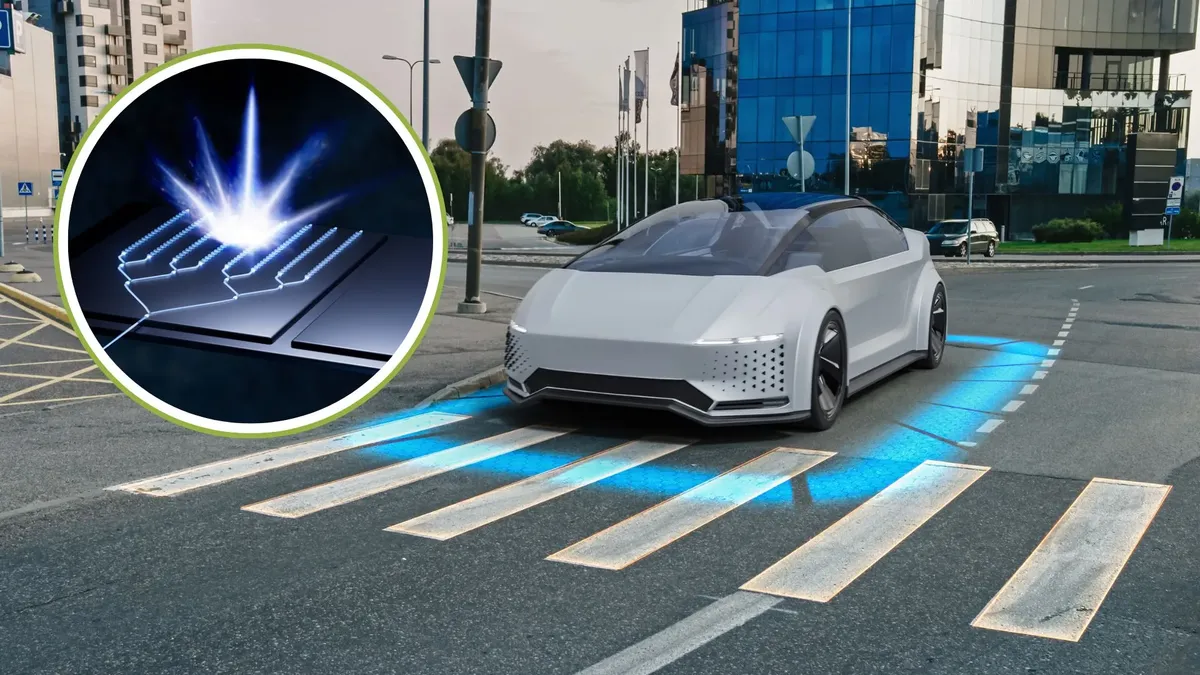
Traditional lidar often uses spinning mirrors or mechanical scanners, which are basically tiny, fragile disco balls that hike up costs and reduce lifespan. Solid-state lidar, on the other hand, says "no thanks" to moving parts, and silicon-photonics chips are the perfect vehicle for building these compact, unmoving marvels.
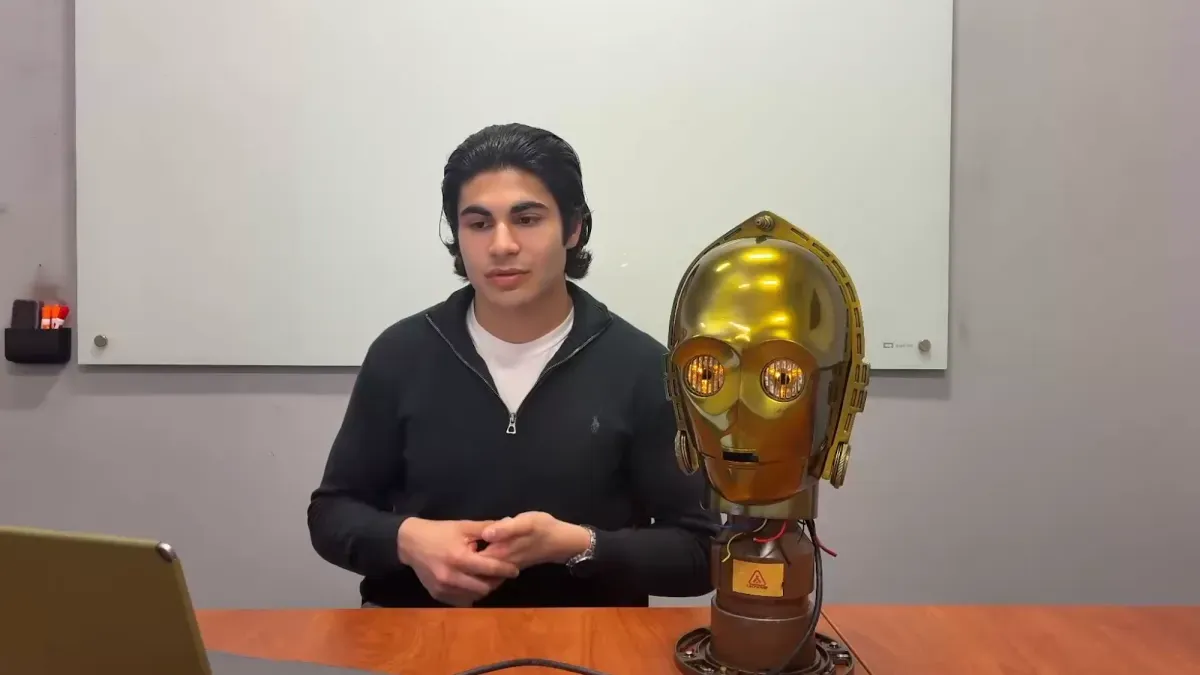
Jelena Notaros, an MIT professor and senior author, put it succinctly: "The functionality we demonstrated in this work solves a fundamental problem for integrated optical-phased-array technology, enabling future lidar sensors that can achieve significantly higher performance than we could demonstrate previously." Which, if you think about it, is both impressive and slightly terrifying. Imagine your car seeing a squirrel's existential dread from three blocks away.
This research is a big step toward getting these chip-scale lidar systems into everything from transportation and robotics to defense and industrial sensing. Soon, the world might just be a much more clearly mapped place. For better or worse.