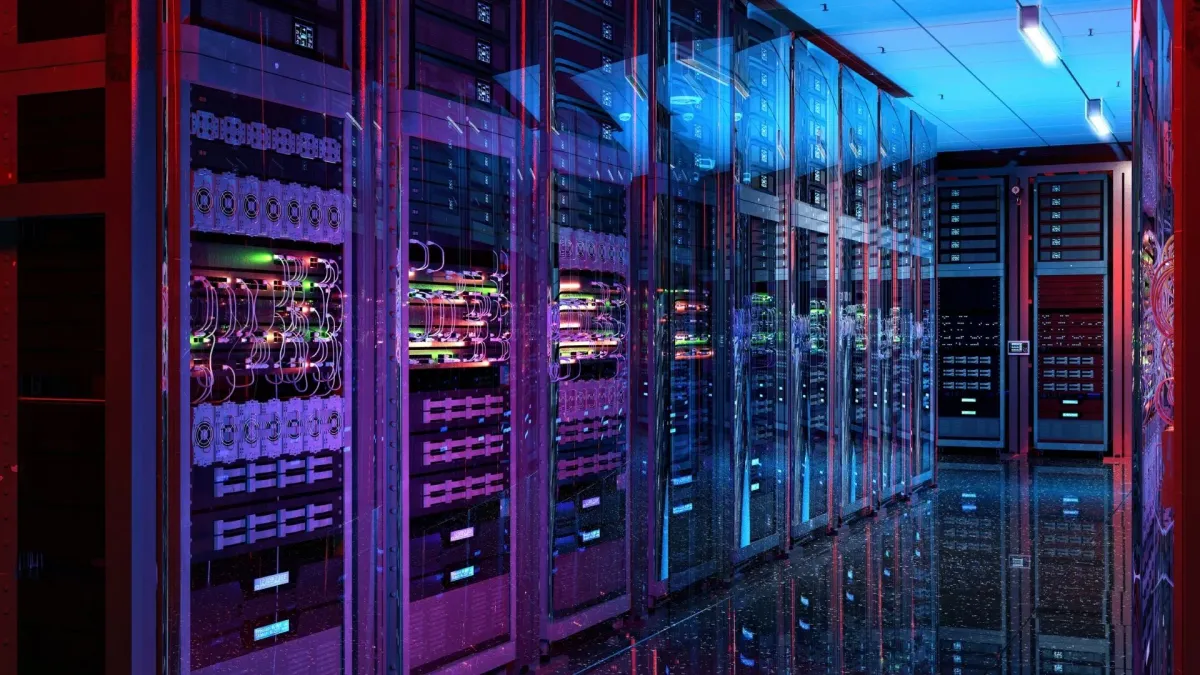
AI's insatiable hunger for computing power is, apparently, moving offshore. Way offshore. We're talking floating data centers that generate their own electricity from waves and cool their chips with seawater. Because, why not? If the land is getting a bit crowded and thirsty, the ocean has plenty of both.
One startup, Panthalassa, just reeled in a cool $140 million from investors to make this aquatic dream a reality. The money will help them build a pilot manufacturing facility and deploy their new, very wet devices. Because when you need to power the future of artificial intelligence, you might as well get a little salty.
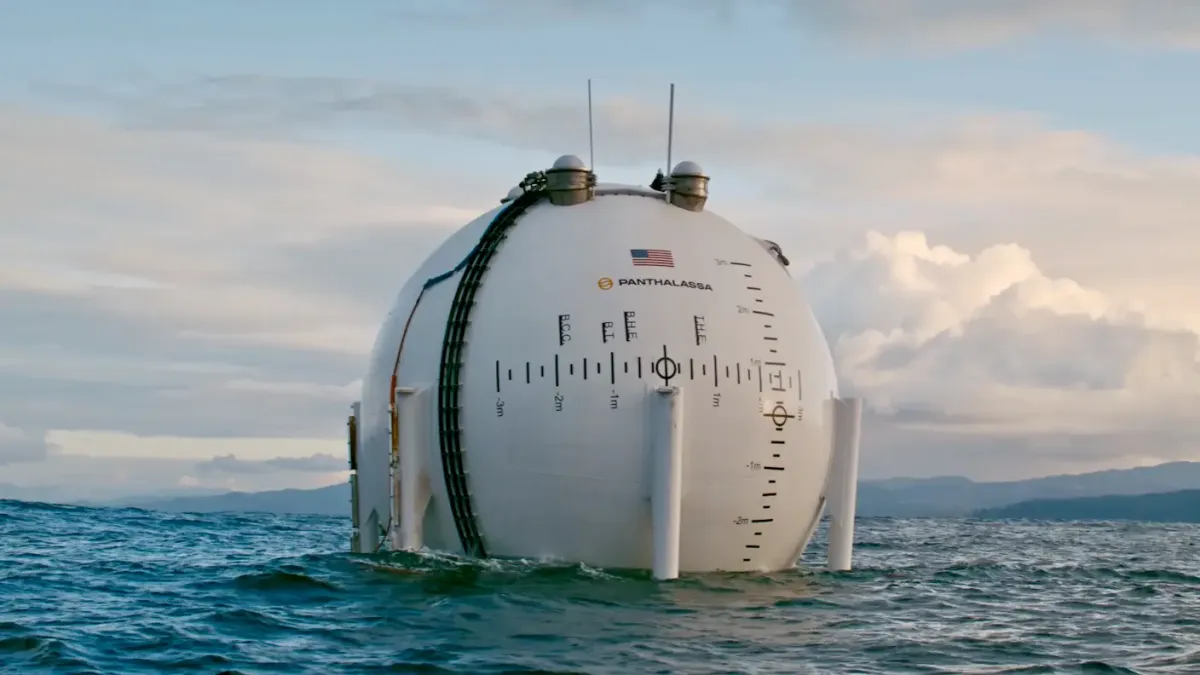
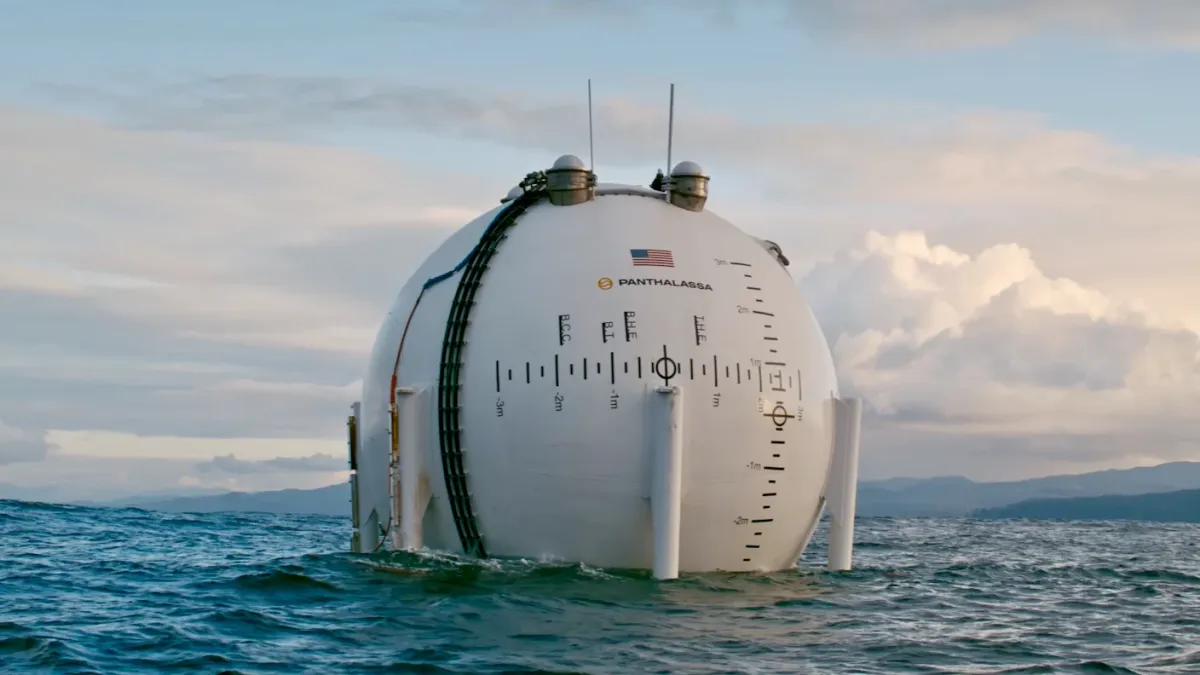
Panthalassa's nodes are almost 300 feet long. Picture a giant, slender buoy with a sphere on top and a tube full of servers stretching deep below the surface. As this behemoth bobs with the waves, it pushes water into a reservoir, which then spins a turbine to generate electricity. It's like a perpetual motion machine, if perpetual motion machines were powered by the Pacific and filled with GPUs.
We're a new kind of news feed.
Regular news is designed to drain you. We're a non-profit built to restore you. Every story we publish is scored for impact, progress, and hope.
Start Your News DetoxAnd for cooling? No need for massive chillers or vast amounts of fresh water. The ocean itself does the heavy lifting, which, if you think about it, is both impressive and slightly terrifying. It's certainly more sustainable than the land-based data centers currently guzzling water and electricity like there's no tomorrow.
No Cables, Just Waves and Satellites
These floating behemoths communicate using SpaceX's Starlink satellites. That means no pesky power or networking cables. They can just motor themselves to a remote spot in the ocean, drop anchor (metaphorically speaking), and get to work. Panthalassa CEO Garth Sheldon-Coulson notes that the open ocean is a vast, untapped energy source, particularly in those dense wave regions far from shore.
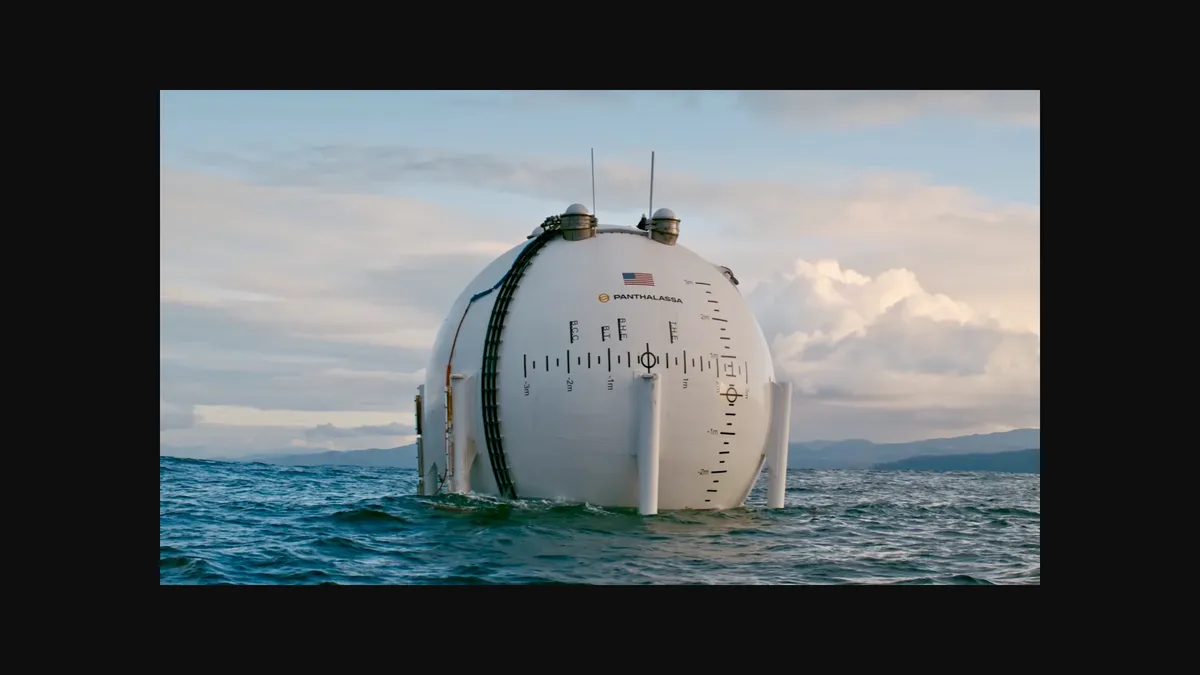
The hardware itself is designed for minimal fuss, with few moving parts, so it can operate for ages without needing a mechanic in a wetsuit. An earlier version, Ocean-2, was tested off Washington state in early 2024, presumably without too many unexpected encounters with curious whales.
The next step? A manufacturing facility near Portland and testing of their next-gen Ocean-3 nodes in the northern Pacific later this year. Panthalassa aims for commercial use by 2027. Because apparently that's where we are now: betting big on ocean-dwelling server farms.
Of course, there are a few ripples. Satellite communication, while convenient, has lower bandwidth and higher signal delays than traditional fiber optic cables. This might limit how well these centers handle the most demanding AI tasks. But compared to the sheer complexity and cost of orbital data centers (which would use solar and space's cold vacuum for cooling), Panthalassa's ocean-based approach might just be the most practical way to keep AI from plunging us into an energy crisis.