For years, the sun has been teasing us with its boundless energy, while our best solar cells have been, shall we say, a bit... finicky. Traditional silicon panels are hitting their efficiency ceiling, which is a polite way of saying they're getting a little tired. But now, a team of scientists from Korea University, the University of Toledo, and Seoul National University has unveiled a new type of solar cell that's not just breaking records but practically redesigning the rulebook.
They've engineered a new cell using a 3D perovskite material that clocks in at over 26% efficiency. Let that satisfying number sink in. Even better, it survived over 24,000 hours in lab tests. That’s nearly three years of continuous operation, which, for a material known for its temperamental stability, is nothing short of a miracle.
The Accidental Breakthrough
The secret? A clever, almost accidental, optimization of perovskite layers. Professor Jun Hong Noh and his team were exploring how to protect the delicate surfaces of these cells by sandwiching the light-absorbing material between charge-transport layers. It’s a trick that works for silicon, but perovskites have always been the stubborn teenager of the solar world.
We're a new kind of news feed.
Regular news is designed to drain you. We're a non-profit built to restore you. Every story we publish is scored for impact, progress, and hope.
Start Your News DetoxTo coax them into cooperating, the team introduced two-dimensional (2D) halide perovskites, which are excellent at grabbing high-energy light like blue or UV. They had previously figured out how to grow a crystalline 2D layer on a 3D surface using heat and pressure. But then came the happy accident.
While studying how different factors affected film growth, they stumbled upon something peculiar: simply touching the 2D and 3D materials together changed the optical properties of the 3D layer. No heat, no pressure, just a gentle nudge. Apparently, sometimes all you need is a little contact.
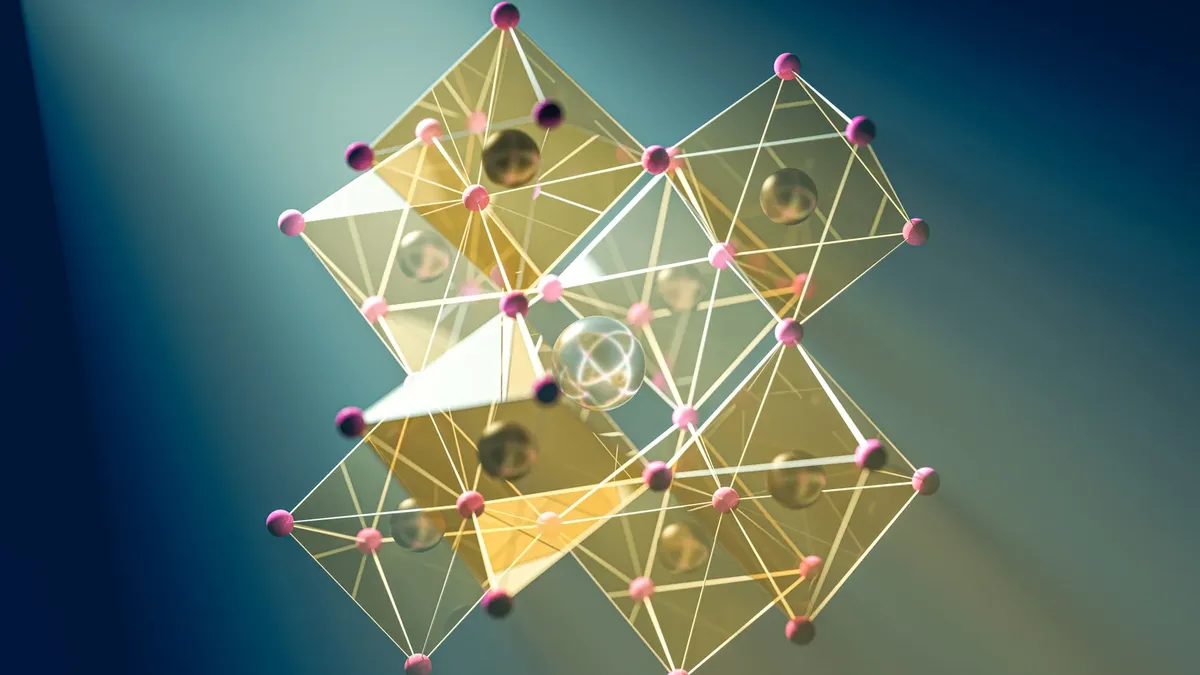
A Near-Perfect Crystal
Professor Noh explained that these changes were reversible and all about how the organic components in the 2D and 3D layers interacted. It turns out, this subtle contact significantly influences how the 3D perovskite structures itself. The team hypothesized that adding heat to these already interacting films could lead to even better structural changes. And they were right.
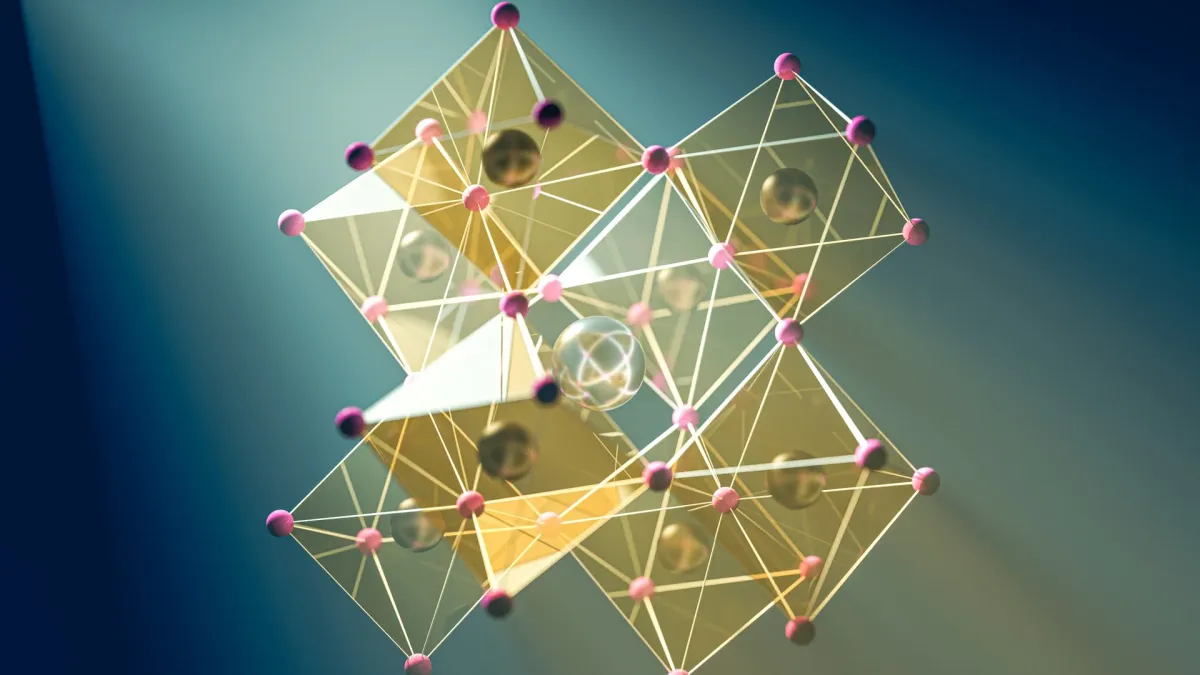
They tested this with FAPbI₃ perovskite films, which typically have a bit of a messy crystal structure. But with their new method, the films achieved crystal structures almost indistinguishable from theoretical perfection. Even FAPbI₃ powders made this way were more stable than those produced by standard methods. Because, as Noh pointed out, efficiency losses and phase changes are like uninvited guests at a party — they always show up at the defects.
When these super-improved perovskite films were finally integrated into solar cells, the efficiency soared to 26.25%. And that 24,000-hour operational lifetime? That's not just good; it's the kind of stability that makes engineers weep tears of joy.
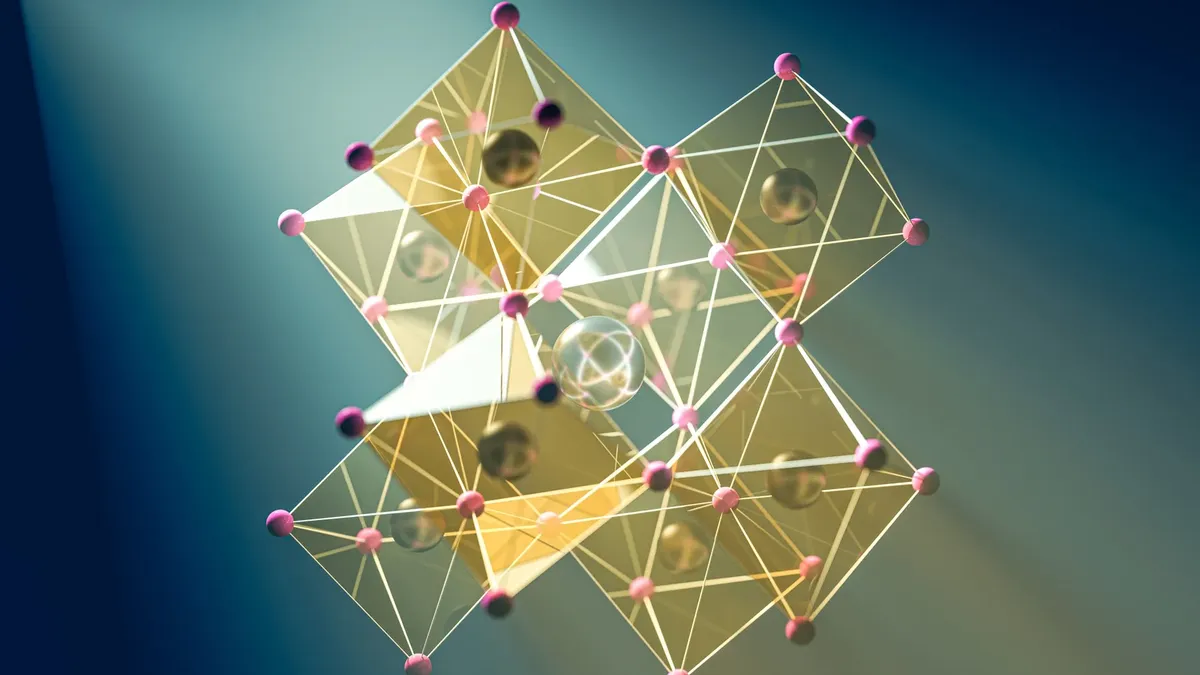
The best part? This 2D/3D film contact process is ridiculously easy to scale up, meaning we could soon see larger, more defect-free solar films. The team is now eyeing all-perovskite tandem solar cells, which, if successful, could push solar efficiency even further. Because apparently, the sun still has a few more tricks up its sleeve, and these scientists are ready to catch them all.