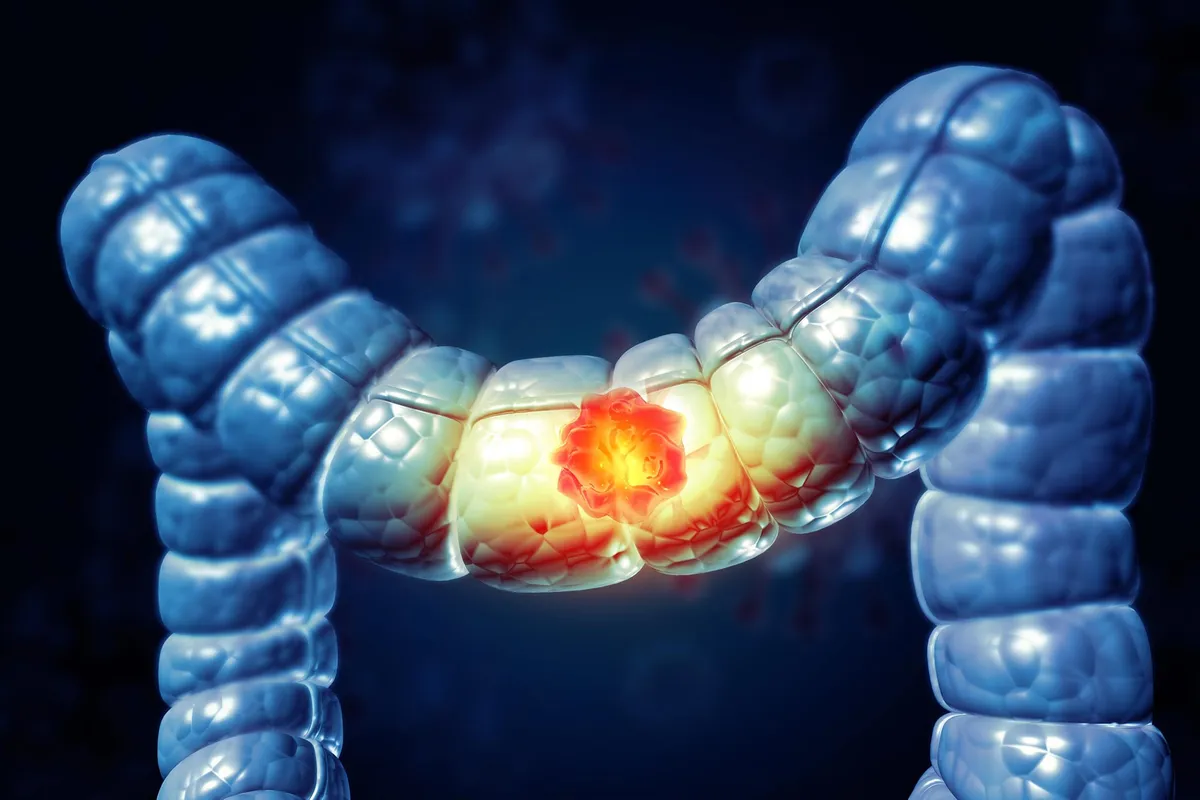
For over 15 years, scientists have known about a particular gut bacterium, Bacteroides fragilis, that’s a real troublemaker. It releases a toxin that messes with your colon lining and, delightful as it sounds, can lead to tumors. But the "how" of it all – how this tiny villain actually latches onto your cells to wreak havoc – was a complete head-scratcher. Until now.
Researchers at Johns Hopkins just published a study in Nature that finally pulls back the curtain. Turns out, this bacterial toxin (BFT) isn't just freelancing. It needs a very specific dance partner: a receptor protein called claudin-4. Think of it as the secret handshake. No claudin-4, no cellular damage. The whole operation grinds to a halt.
Dr. Cynthia Sears, one of the lead authors, called it an "exciting moment," and you can see why. Understanding these bacterial toxins isn't just academic; it’s a direct line to new ways of detecting and treating everything from persistent diarrhea to colorectal cancer.
We're a new kind of news feed.
Regular news is designed to drain you. We're a non-profit built to restore you. Every story we publish is scored for impact, progress, and hope.
Start Your News DetoxThe Long Road to Claudin-4
B. fragilis is surprisingly common, found in up to 20% of healthy people. Which, if you think about it, is both impressive and slightly terrifying given its talent for causing inflammation and tumors. Dr. Sears's lab had previously shown that BFT causes long-term gut inflammation by snipping E-cadherin, a protein that's basically your colon's bouncer, keeping the barrier intact. But how did the toxin get close enough to snip?
Enter Maxwell White, an M.D./Ph.D. student who spearheaded the hunt for this missing link. Using a CRISPR screen – a fancy way of systematically disabling genes in colon cells – they found claudin-4. When claudin-4 was removed, the BFT toxin couldn't bind, and E-cadherin was left perfectly intact. White described it as a "clear, resounding top hit," which is science-speak for: jackpot.
What’s particularly wild is that claudin-4 wasn't the receptor anyone expected. Most researchers were looking for a signaling protein. Claudin-4 is not that. Dr. Sears mentioned they haven't found another toxin that operates quite this way. Because apparently, even tiny bacterial assassins like to keep us on our toes.
To really nail it down, the Johns Hopkins team teamed up with structural biologists in Barcelona, who confirmed that BFT and claudin-4 form a strong complex in a test tube. Then, working with Harvard Medical School, they moved to mouse models to see how it all played out in a living system.
A Decoy to Save the Day
The most promising part? This discovery isn't just about understanding the problem; it's already pointing to a solution. The team created a "decoy" version of claudin-4 – a soluble protein designed to intercept the toxin before it can reach actual colon cells. And it worked. The BFT bound to these decoys instead of the real deal, successfully protecting mice from toxin-related damage.
White noted that this approach could be refined with small molecules or other treatments, and the team is now figuring out the best way to block the toxin in humans. The only remaining piece of the puzzle is capturing the exact 3D structure of the BFT-claudin-4 interaction. Even current AI models couldn't quite resolve it. So, while we've found the secret handshake, we're still waiting for the definitive blueprint of the hand holding.
Let that satisfying progress sink in. A 15-year-old mystery, cracked, with a promising new path to prevention. Not bad for a day's work in the lab.