For the first time since bell bottoms and disco were last cool, humans have officially left Earth's orbit and are now on a direct path to the Moon. Let that satisfying, half-century-long number sink in. NASA's Artemis II mission just pulled off a move not seen since 1972's Apollo 17, and it's a pretty big deal.
The crew — NASA's Reid Wiseman, Victor Glover, and Christina Koch, plus Canada's Jeremy Hansen — fired Orion's main engine, a maneuver delightfully called the "translunar injection burn." This six-minute burst of pure propulsion shoved them right out of Earth's gravitational embrace and set them on a course to loop around the Moon. Because apparently, that's where we are now.
Dr. Lori Glaze from NASA Headquarters noted the historical significance: "This is the first time humans have left Earth orbit since Apollo 17 in 1972." She also highlighted that Orion is finally flying with a crew, collecting all sorts of juicy data. Every step, she emphasized, is a stepping stone for the Artemis program. They've got eight intense days ahead, but hey, they're literally going to the Moon.
We're a new kind of news feed.
Regular news is designed to drain you. We're a non-profit built to restore you. Every story we publish is scored for impact, progress, and hope.
Start Your News DetoxThe Journey So Far
The whole lunar jaunt kicked off with NASA’s mighty SLS (Space Launch System) rocket blasting off from Florida's Kennedy Space Center. It launched the four astronauts on a planned 10-day round trip. Soon after hitting space, Orion unfurled its four solar wings like a space peacock, ready to soak up some sun.
About 49 minutes after liftoff, the rocket's upper stage gave Orion an initial nudge into an elliptical Earth orbit. Then, a second burn pushed the spacecraft – which the crew named "Integrity" – into a higher orbit, about 46,000 miles above our planet. After hanging out there for a day, checking all its systems, Orion said goodbye to the upper stage and continued solo.
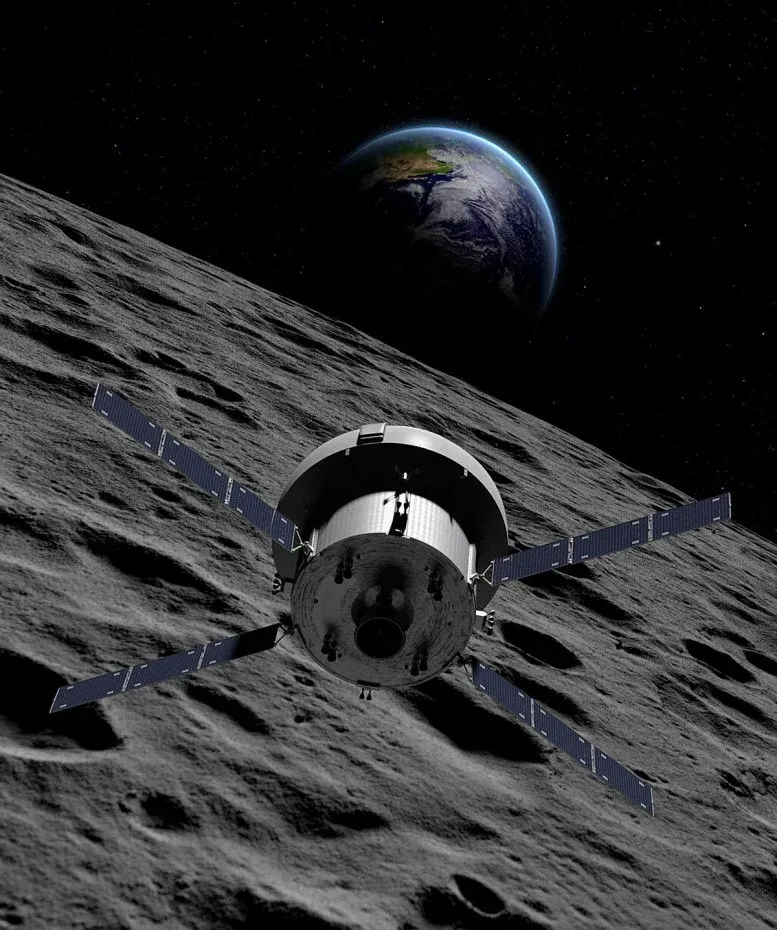
Part of the early mission involved the astronauts manually piloting Orion, essentially taking it for a spin to see how it handles. After that little test drive, Orion performed an automated burn to distance itself from its now-unneeded interim cryogenic propulsion stage (ICPS), which later re-entered Earth's atmosphere over the Pacific. Not before releasing four small CubeSats for their own missions, of course. Because in space, even the garbage gets a side hustle.
Other mission essentials completed include switching communications to the Deep Space Network, getting used to microgravity (which sounds like a very fun adjustment), and prepping for that big translunar injection burn. On Monday, April 6, the crew will do a close flyby of the Moon, snapping high-res images and giving us a peek at parts of the far side of the Moon that humans have never directly seen. The partial lighting will cast long shadows, making those ridges and crater edges really pop. It's like extreme lunar chiaroscuro.
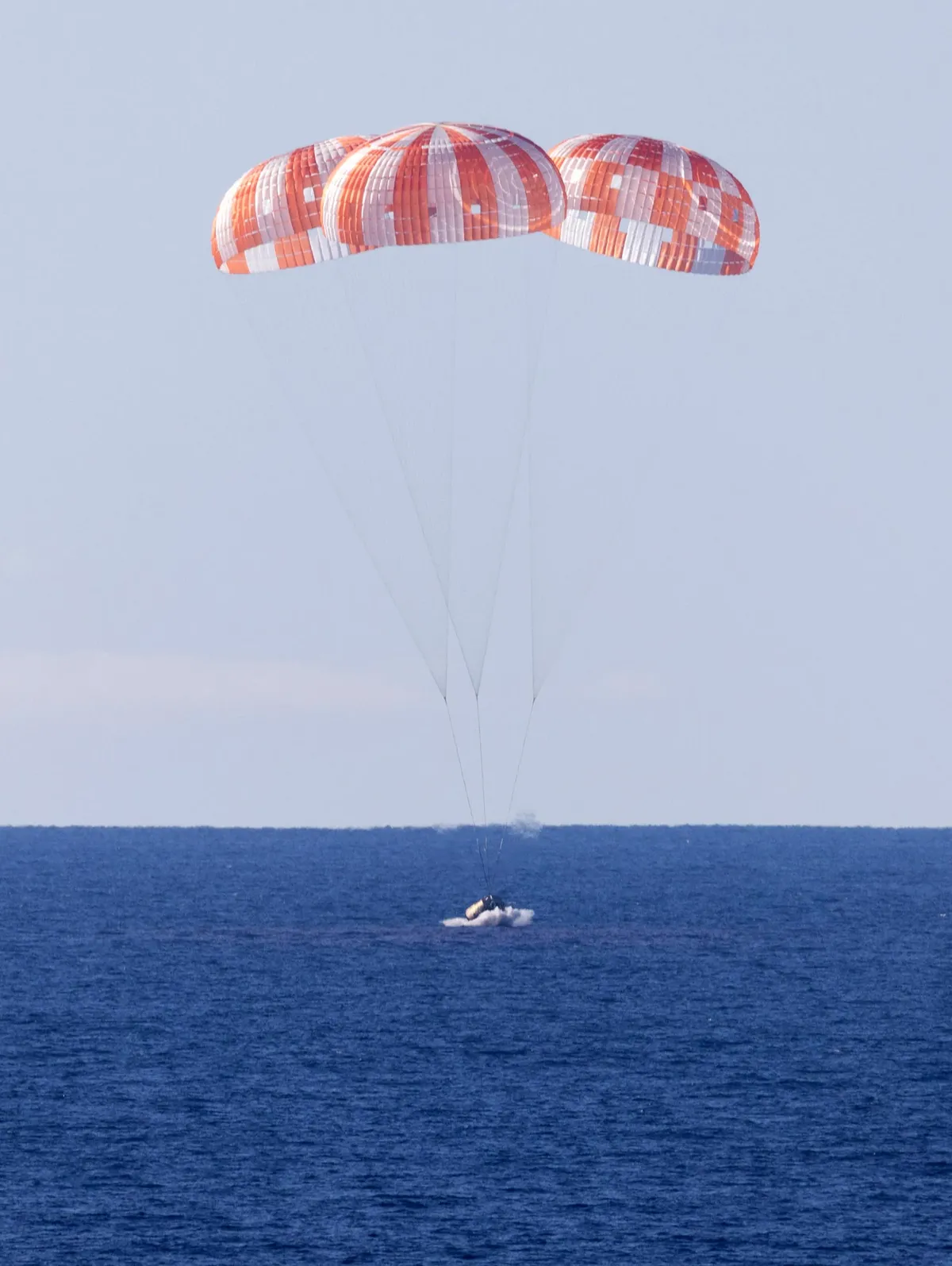
After their lunar loop-the-loop, Orion will head back home, aiming for a splashdown in the Pacific near San Diego. This flight is a crucial step for NASA’s Artemis program, which is all about getting humans back to the Moon, eventually setting up shop there, and then, you know, Mars. Because one small step for man, one giant leap for real estate agents.