Imagine a world where your phone never dies because it’s powered by the dust bunnies under your couch. Now imagine that, but underwater, with marine microbes instead of dust, and for ocean sensors instead of your phone. Because apparently, that's where we are now.
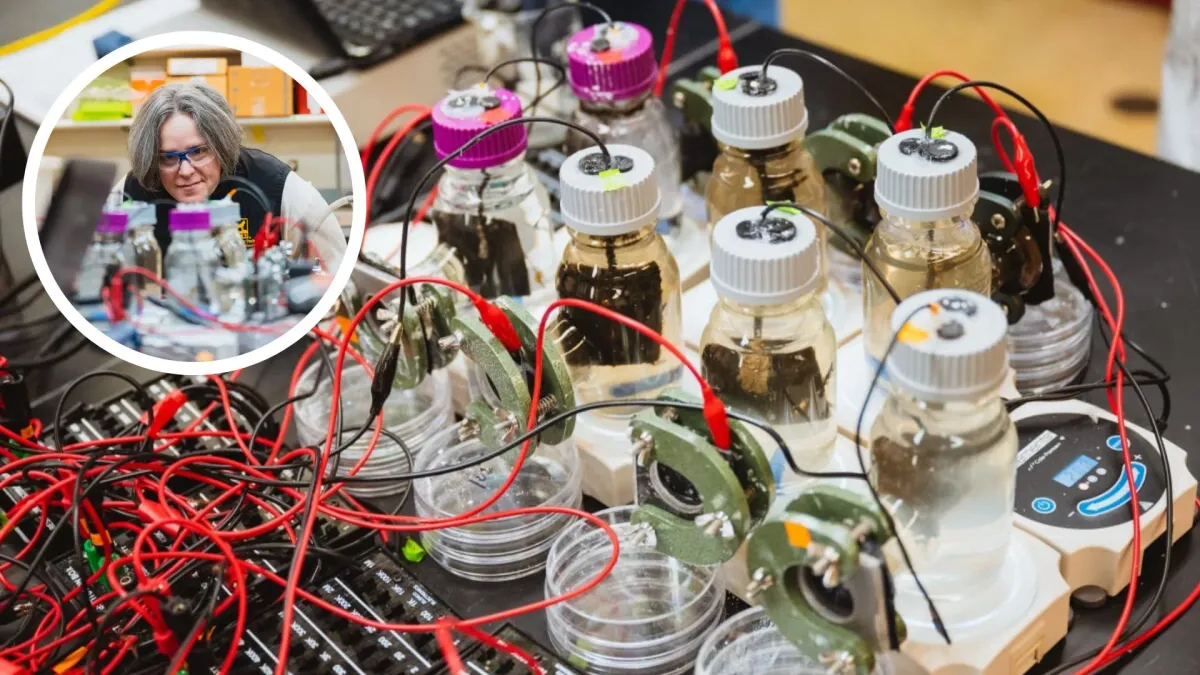
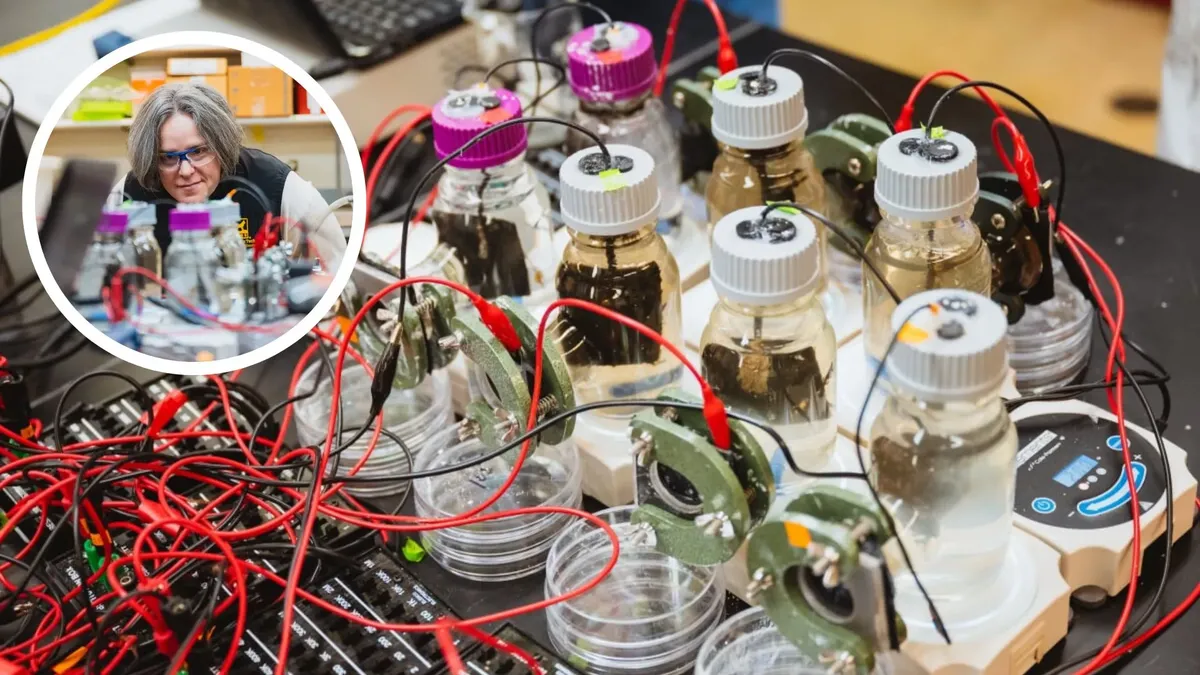
Researchers at Michigan Technological University, backed by DARPA’s delightfully acronymed BLUE (BioLogical Undersea Energy) program, are building self-refueling batteries. These aren't your typical AAAs. They munch on the ocean's tiniest inhabitants to generate electricity, potentially keeping underwater sensors alive for years without a single battery swap.
The Secret Life of Electron-Eating Bacteria
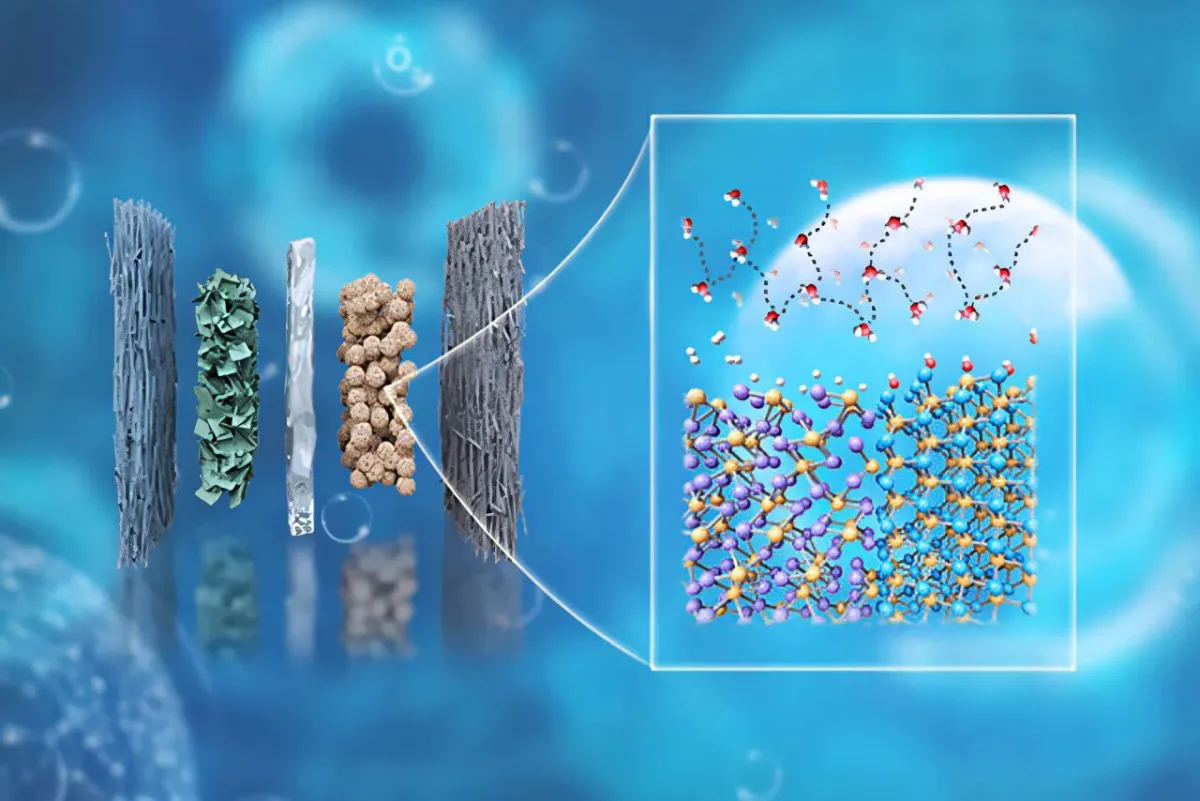
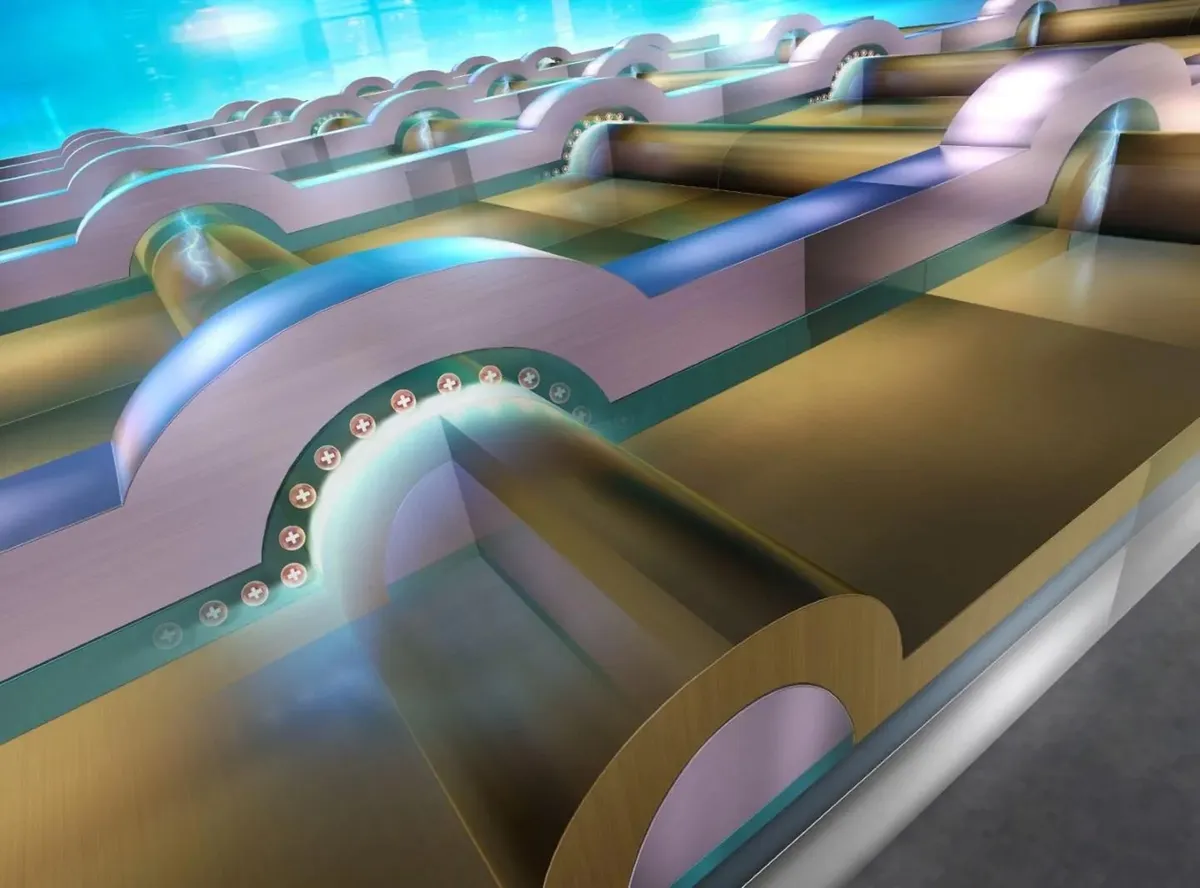
At the heart of this aquatic wizardry are microbial fuel cells (MFCs). These clever contraptions harness bacteria that, in their daily lives, essentially eat organic material and marine microbes from seawater and, in doing so, produce electrons. Those electrons then get shuttled between an anode and a cathode, creating an electrical current. It’s like a tiny, biological power plant, but instead of coal, it runs on... well, whatever floats by.
We're a new kind of news feed.
Regular news is designed to drain you. We're a non-profit built to restore you. Every story we publish is scored for impact, progress, and hope.
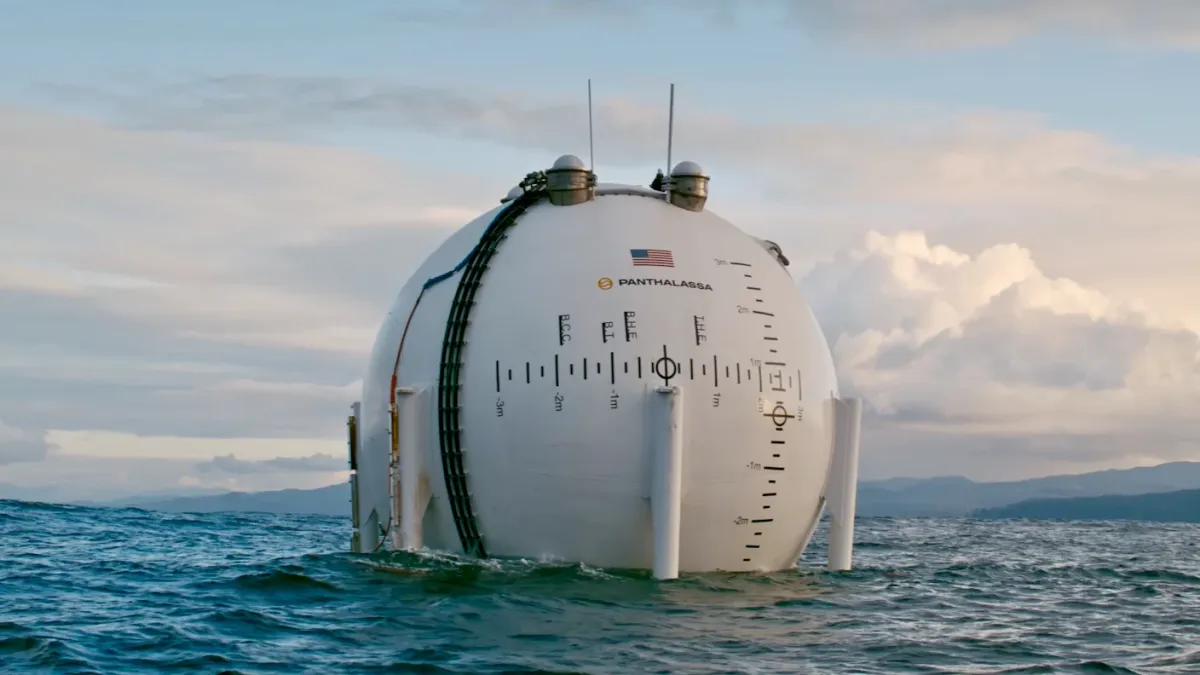
Start Your News DetoxThese sensors are crucial for everything from monitoring environmental conditions and animal migration to, yes, defense intelligence. Right now, keeping them powered means expensive, frequent battery replacements. Not exactly ideal for a sensor chilling in the middle of nowhere, miles beneath the waves.
The Michigan Tech team has already had a prototype humming along for 30 days in Chesapeake Bay, continuously making power. Which, if you think about it, is both impressive and slightly terrifying. What else are these microbes capable of?
One of the biggest hurdles? The open ocean isn't exactly a buffet line of organic matter like, say, a wastewater treatment plant (where MFCs are usually tested). Plus, too much oxygen can throw a wrench in the microbes' electron-making party.
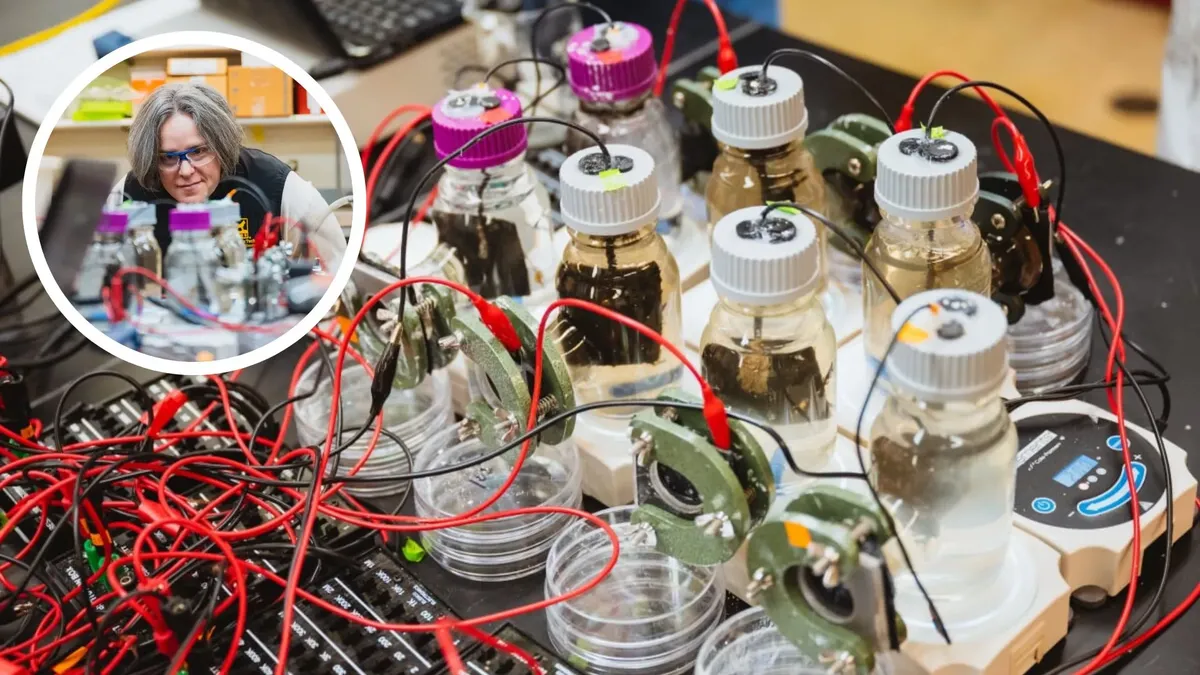
The solution? Granulated activated carbon. Think of it as a fancy, microbe-friendly sponge that sucks up organic matter and gives the bacteria a cozy surface to cling to, even in oxygen-rich waters. It’s like giving them their own private, all-you-can-eat buffet table.
The team has also made these systems modular – stackable units, each with its own pump and control board. They've even tested them in Galveston Bay, with three out of four units successfully generating power. Let that satisfying 75% success rate sink in.
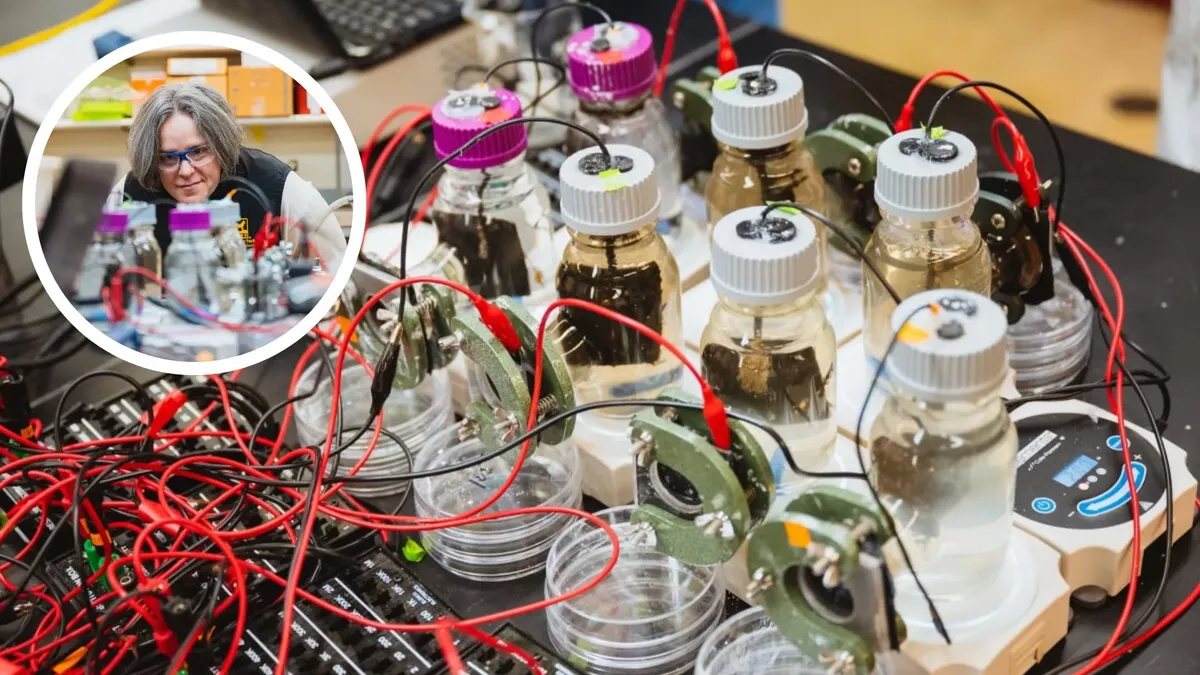
This isn't just about making power; it's about making power sustainably and autonomously in the deep blue. No waves, no human intervention needed. Just a continuous, microscopic snack bar for bacteria, powering our understanding of the ocean. The next step: deploying 10 MFCs in Chesapeake Bay for a year-long test. Because if a bunch of tiny sea critters can keep a sensor alive for 365 days, what can't they do?