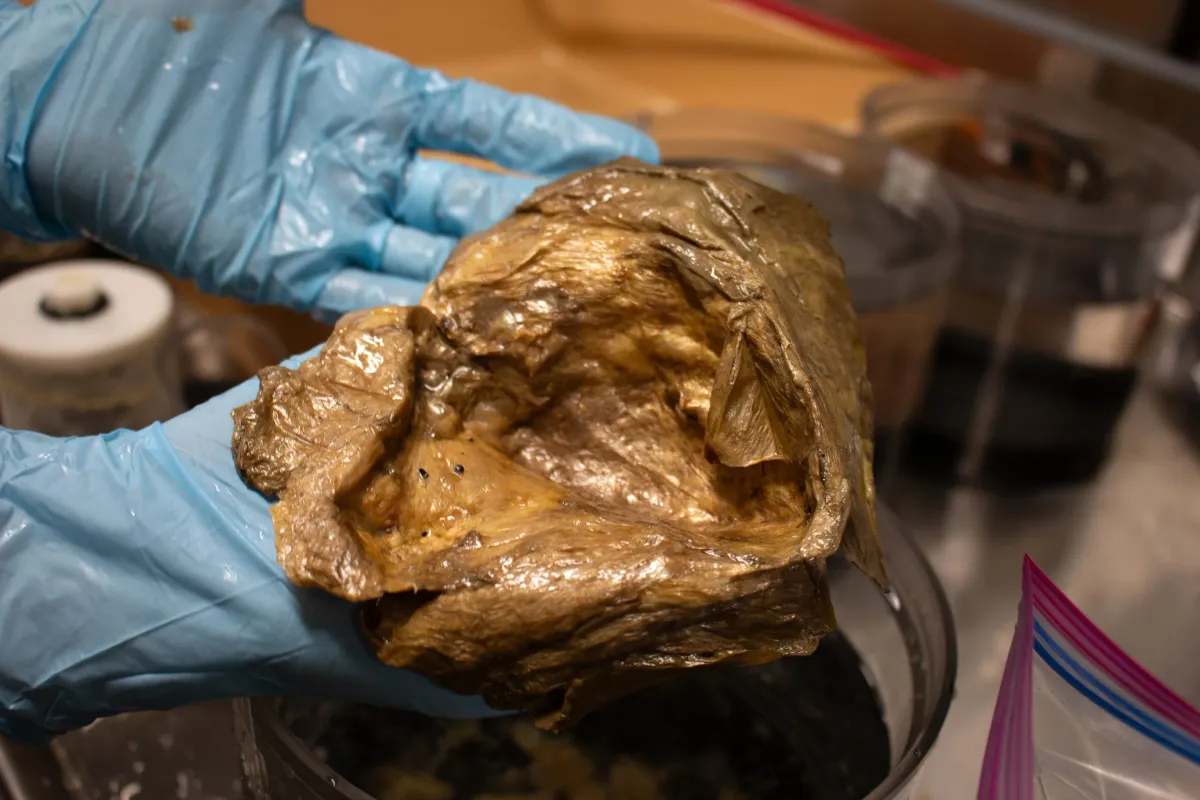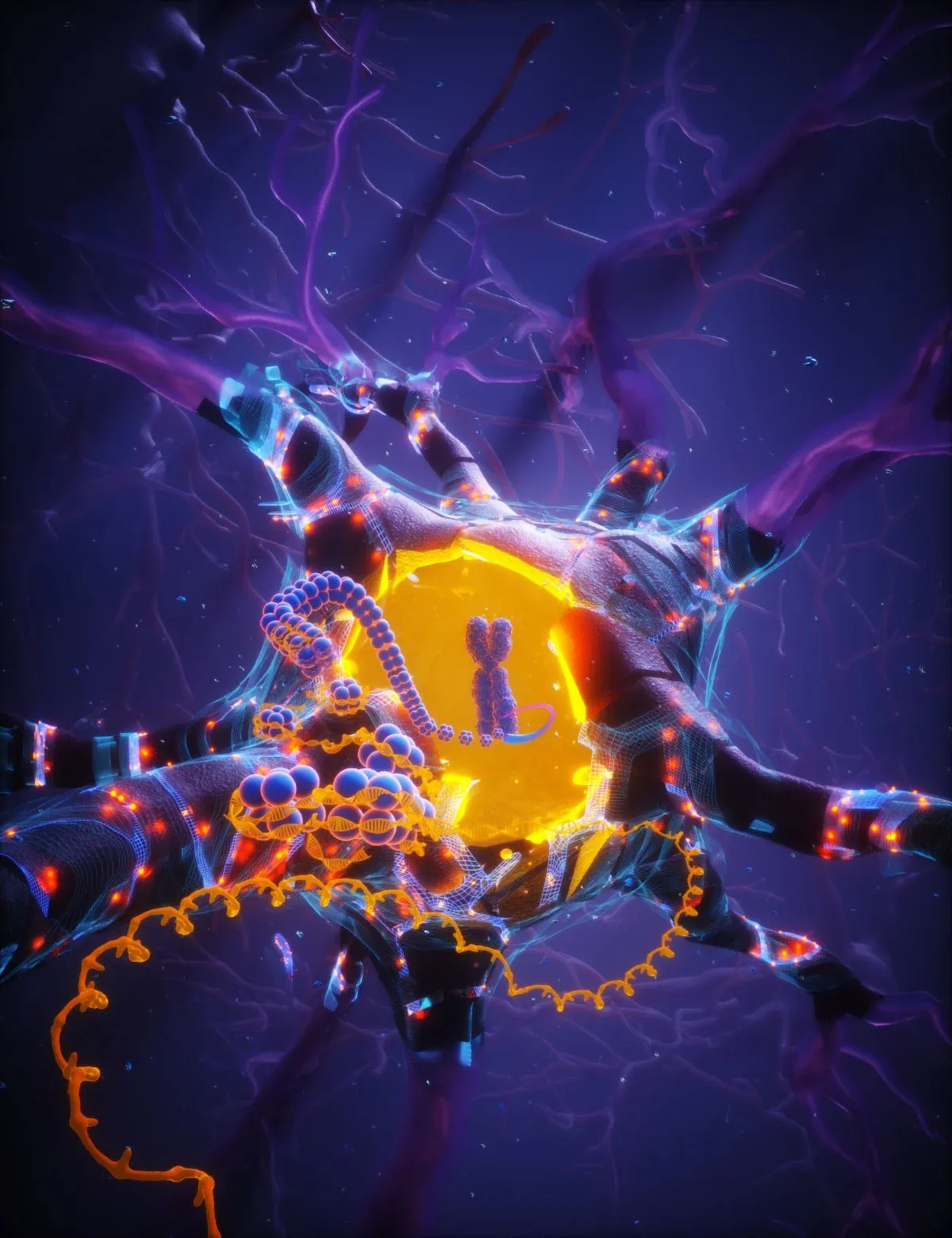
Ever wonder what your brain gets up to when you're completely out of it? Turns out, it might be secretly binging podcasts. A new study suggests our noggins can process language and even predict the next word in a sentence, all while we're blissfully unconscious under general anesthesia. Which, if you think about it, is both impressive and slightly terrifying.
This upends the long-held belief that consciousness is a prerequisite for making sense of the world. Because apparently, even when you're medically checked out, your brain is still, well, checking things out.
The Brain's Secret Side Hustle
Researchers at Baylor College of Medicine dove deep into the electrical activity of patients under general anesthesia. What they found was a surprise: the hippocampus—that part of your brain usually busy forming memories—was still processing sounds, words, and full-blown speech.
We're a new kind of news feed.
Regular news is designed to drain you. We're a non-profit built to restore you. Every story we publish is scored for impact, progress, and hope.
Start Your News DetoxSpecific clusters of neurons were practically having a field day, changing their activity based on whether a word was a noun or a verb. They even got good at predicting what word was coming next in a sentence. Study author Sameer Sheth put it plainly: the brain is far more active during unconsciousness than we ever imagined, constantly analyzing its surroundings.
Scientists used to assume that complex language processing required full awareness. Anesthesia typically throws a wrench in brain-wide communication, making such feats seem impossible. Yet, these findings suggest some local brain circuits can still tackle complex info—like following a story arc—even when the rest of the brain is taking a nap.
Sheth was quick to clarify: this doesn't mean patients were secretly awake, plotting their escape. It just shows the brain does a whole lot more behind the scenes, pushing us to rethink what consciousness even means.
The Unseen Listener
Our brains are always busy, even when we're snoozing. During sleep, the hippocampus replays daily experiences to solidify memories. Even in deep sleep, sensory regions react to new sounds. Over the past two decades, scientists have learned that the sleeping brain is surprisingly alert.
Take this: people exposed to unfamiliar sounds while sleeping could identify them after waking up. Another study showed that hearing your own name or angry voices could trigger brain activity, even in the deepest slumber. They call this "sentinel processing," which sounds like your brain is a guard on duty, even when you're not.

To really dig in, Sheth's team worked with seven epilepsy patients undergoing surgery. While these patients were under propofol anesthesia, tiny probes (thinner than a human hair, mind you) were inserted into their hippocampi. These probes, called Neuropixels, pack over a thousand sensors to monitor hundreds of neurons.
First, they played repetitive beeps, occasionally sneaking in a random "boop." Initially, the neurons didn't care. But within 10 minutes, their activity showed they were getting better at distinguishing the oddball sounds. Sheth noted they learned to pay more attention to "oddball sounds" even while unconscious. Because apparently, even an anesthetized brain has standards.
Next, the team played 10-minute clips from "The Moth Radio Hour," a storytelling podcast featuring various voices and accents. And that's when things got really interesting.
Specific groups of hippocampal neurons reacted to different language features. Some neurons perked up at uncommon words like "cosmos." Others tracked grammar, responding differently to nouns, verbs, or adjectives. The neurons even processed the meaning of words, seemingly recognizing that "cat" is closer to "dog" than to "pen." And yes, the hippocampus appeared to anticipate upcoming words based on sentence context—just like an awake brain would.
Sheth explained that we're constantly predicting what we're about to hear. Even under anesthesia, these neurons seemed to follow the story, demonstrating a "very sophisticated form of processing of the natural speech that they’re listening to." They're basically tiny, unconscious literary critics.
Here's the kicker: despite all this intense neural activity, patients remembered none of the podcast stories after waking up. However, traces of the experience might linger unconsciously. Future studies will explore if exposing unconscious participants to certain podcasts makes those stories feel more familiar later. They also want to see if the hippocampus processes stories in unfamiliar languages, because why not truly challenge your unconscious mind?
This research, while preliminary, could open doors to understanding brain activity in people with severe traumatic brain injuries or those in a vegetative state. It might even guide the development of implants to repair damaged neural circuits. Sheth’s closing question sums it up: "Maybe the most important thing is what can we do about this? For someone who’s unconscious, can we bring them back?" Perhaps with a really compelling podcast, it seems.