Imagine a world where you could bring back the dodo. Or the giant moa. A world where an eggshell is, well, optional. That's the claim from Colossal Biosciences, a Texas-based company that says it's successfully hatched chicks from an artificial egg.
If true, this isn't just a science fair ribbon — it's a potential game-changer for conservation and, yes, their rather ambitious plan to 'de-extinct' birds. The big reveal? Their new artificial egg lets bird embryos develop outside a natural shell, supposedly without needing extra oxygen. Because apparently, that’s where we are now.
Now, before you start planning your dodo-watching safari, a quick reality check: Colossal's announcement and video are currently light on the peer-reviewed scientific data. Which, in the world of groundbreaking claims, is a bit like announcing you've invented a flying car but forgot to show it actually flying.
We're a new kind of news feed.
Regular news is designed to drain you. We're a non-profit built to restore you. Every story we publish is scored for impact, progress, and hope.
Start Your News DetoxThe Shell Game, Reimagined
Artificial egg tech isn't entirely new. Scientists have been moving embryos out of shells and growing them since the 1980s, primarily for research into development, tumor growth, and even creating genetically modified chickens. The catch has always been the oxygen — getting enough into the embryo without harming it has been a delicate balancing act, often requiring direct, pure oxygen delivery.
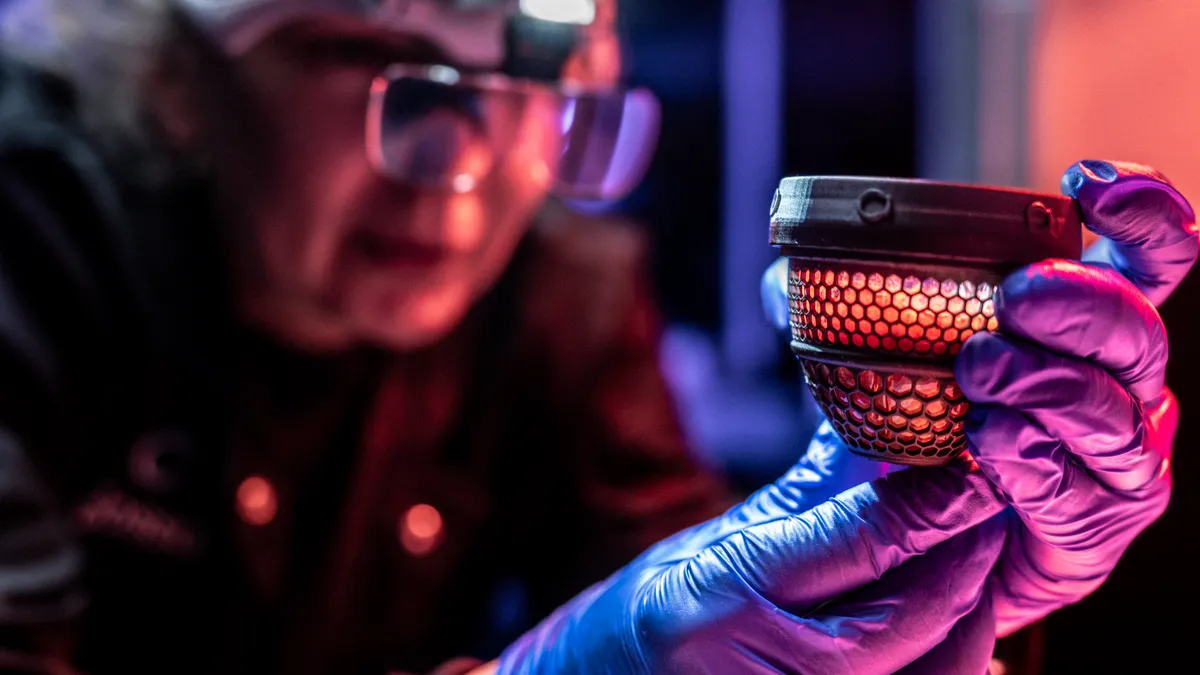
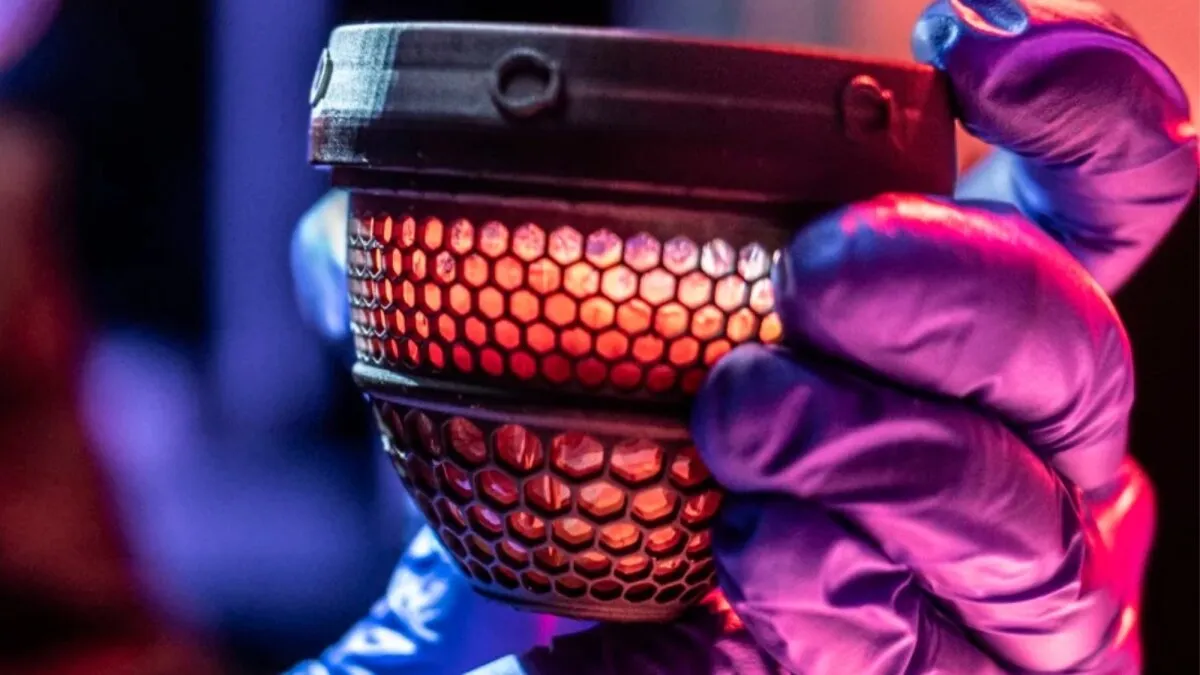
Colossal claims to have cracked this particular nut. They've replaced the traditional hard shell and the membrane that separates the yolk with an open, latticed half-shell and a clear, silicone-based membrane. The idea is that oxygen can just mosey on in from the air, straight to the developing embryo. They envision taking a fertilized embryo and yolk from a real egg, popping it into their transparent artificial one, and watching the magic happen in an incubator. Talk about seeing the future unfold.
Bringing Back the Past, One Egg at a Time?
So, the grand vision: genetically tweak an emu's DNA to make it more moa-like (they've done similar work with dire wolves, because why not?). Then, create an embryo inside an emu egg, and use this new artificial egg to bring it to term. The same goes for engineering a Nicobar pigeon to resemble a dodo. The artificial egg, they say, can be made in different sizes.
Here’s where it gets tricky: you still need a fertilized embryo and yolk. A chicken egg is tiny compared to an emu egg (12x bigger) or a giant moa egg (80x bigger). There's simply not enough yolk and white in any living bird's egg to support a giant moa chick. And a yolk, it turns out, is a single cell. You can't just add more to it like you're topping up a smoothie. Bird development is a complex, species-specific ballet.
Oh, and in New Zealand, where the moa once roamed, there's already public and Māori community opposition to the idea of bringing them back for tourism. Because apparently, some things are best left to the history books.
A Tool for Today's Critters
Despite the Jurassic Park aspirations, the technology could be genuinely useful for current conservation efforts. Colossal, backed by a significant amount of private funding, suggests their artificial egg could help breed critically endangered species like the kākāpō or kakī (black stilt) in captivity. If an egg gets damaged or a new parent is a bit clumsy, the embryo could be transferred to safety.
Combined with gene editing, it might even bring back lost genetic diversity, make birds disease-resistant, or reverse the effects of inbreeding. However, for species with very few natural eggs, you'd need genetically modified birds to produce enough chicks. We're talking about chicken sperm and egg cells carrying DNA from another species, then moving that fertilized embryo to the artificial egg. Which, if you think about it, is both impressive and slightly terrifying.
Ethical questions abound, especially regarding engagement with Indigenous communities, who often act as guardians (kaitiaki) of endangered species. And, crucially, if this tech is truly for conservation, it can't be privatized. It needs to be available to public organizations.
So, while the dodo isn't quite ready for its comeback tour, this artificial egg could be a small, albeit complex, step forward for the birds still with us. For now, though, saving species still largely boils down to predator control and, you know, not destroying their homes. Some things never change.