Iberá National Park and Iberá Provincial Park in Argentina are vast. They cover grasslands, marshlands, and forests, home to 4,000 types of plants and animals. Together, they form Argentina's largest park.
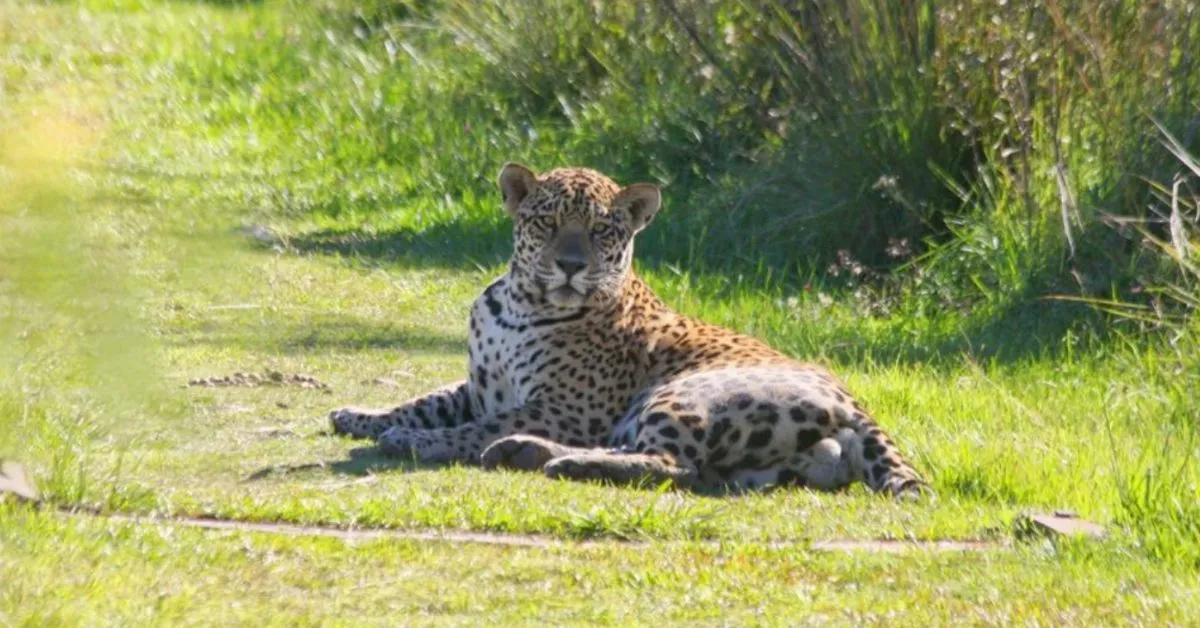
In early May, tour guides spotted a jaguar on a trail. It was Ombú, a young male born in Iberá Park. This was the first wild jaguar seen there in 70 years.
Park ranger Víctor Cereal shared his joy. "It really fills us with joy," he said. "Being able to share it with visitors makes us extremely, extremely happy." He called it the "greatest reward" for a guide.
We're a new kind of news feed.
Regular news is designed to drain you. We're a non-profit built to restore you. Every story we publish is scored for impact, progress, and hope.
Start Your News DetoxBringing Jaguars Back
Jaguars were nearly wiped out in Argentina 70 years ago. Logging destroyed their homes, and poachers hunted them for their pelts.
The recent sighting is a result of decades of hard work. Conservationists focused on education and rewilding efforts.
.jpeg)
Rewilding Argentina worked with local groups, scientists, rangers, and ranchers. Because of their efforts, Corrientes now has 50 free-roaming jaguars. This is nearly 20% of all jaguars in Argentina.
Cereal called the jaguar's return "truly historic." He explained that jaguars are crucial for the wetlands. "We were missing him, the top predator," he noted. Jaguars help keep other animal populations balanced, which is good for the entire ecosystem.
A Moment of Connection
Mario Martins, a retired tour guide and photographer, captured the jaguar on camera. He described the moment as "a face-to-face encounter between two beings in absolute silence."
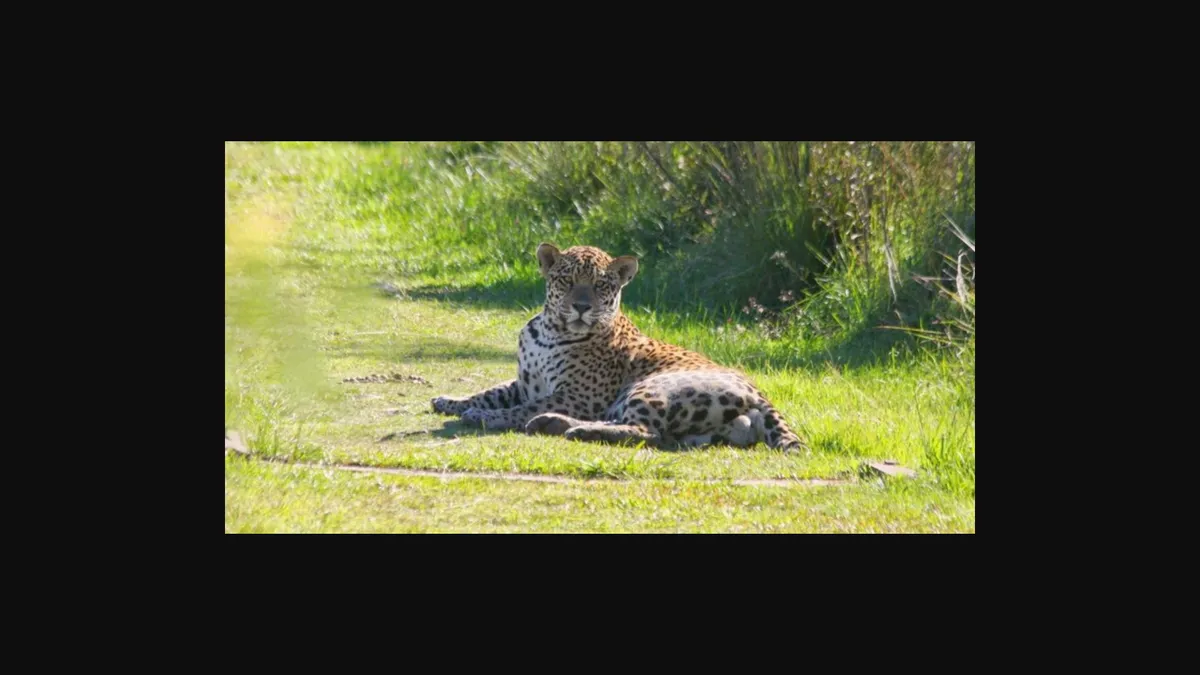
Martins said the sighting was more than just seeing one jaguar. It showed the success of a group effort. "The fact that a jaguar… roams the region shows that the ecosystem is regaining its health," he emphasized.
He felt awestruck as the jaguar moved on. Martins said the real magic is knowing the animal can "continue to feel free."