A 13-year-old cow named Veronika in Austria uses brooms to scratch her back, which, for those keeping score, is a form of tool use. This week, it turns out Veronika isn't the only one with unexpected depths. From the deep sea to deep space, and even deeper into what makes us human, the world revealed a few more of its secrets.
The Unseen Is Becoming Seen
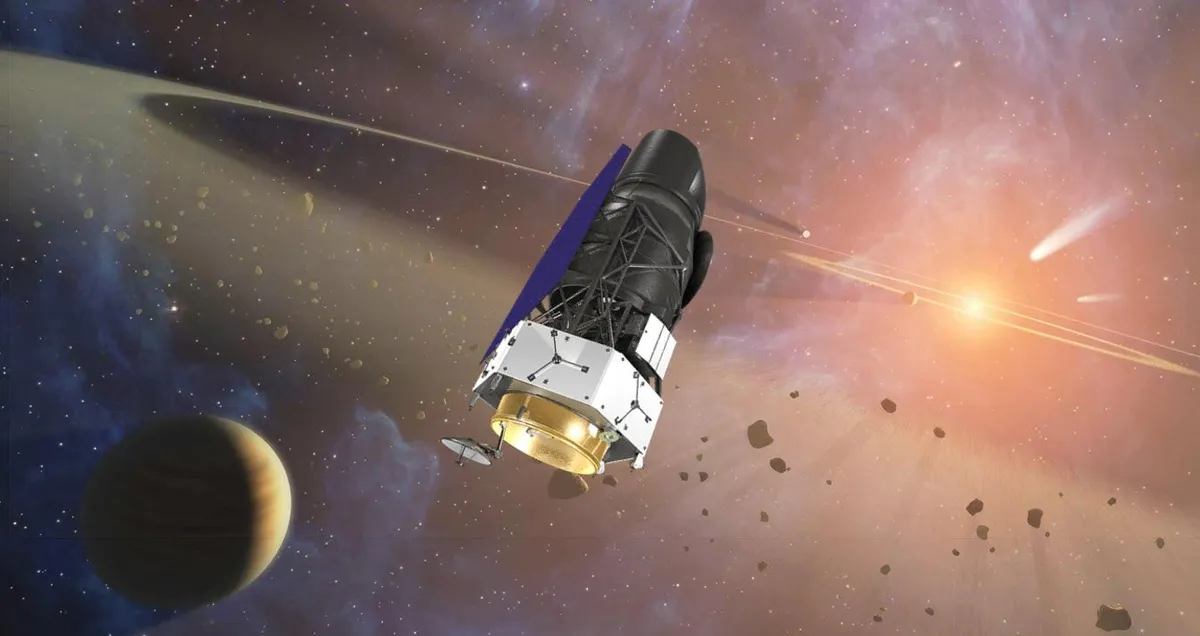
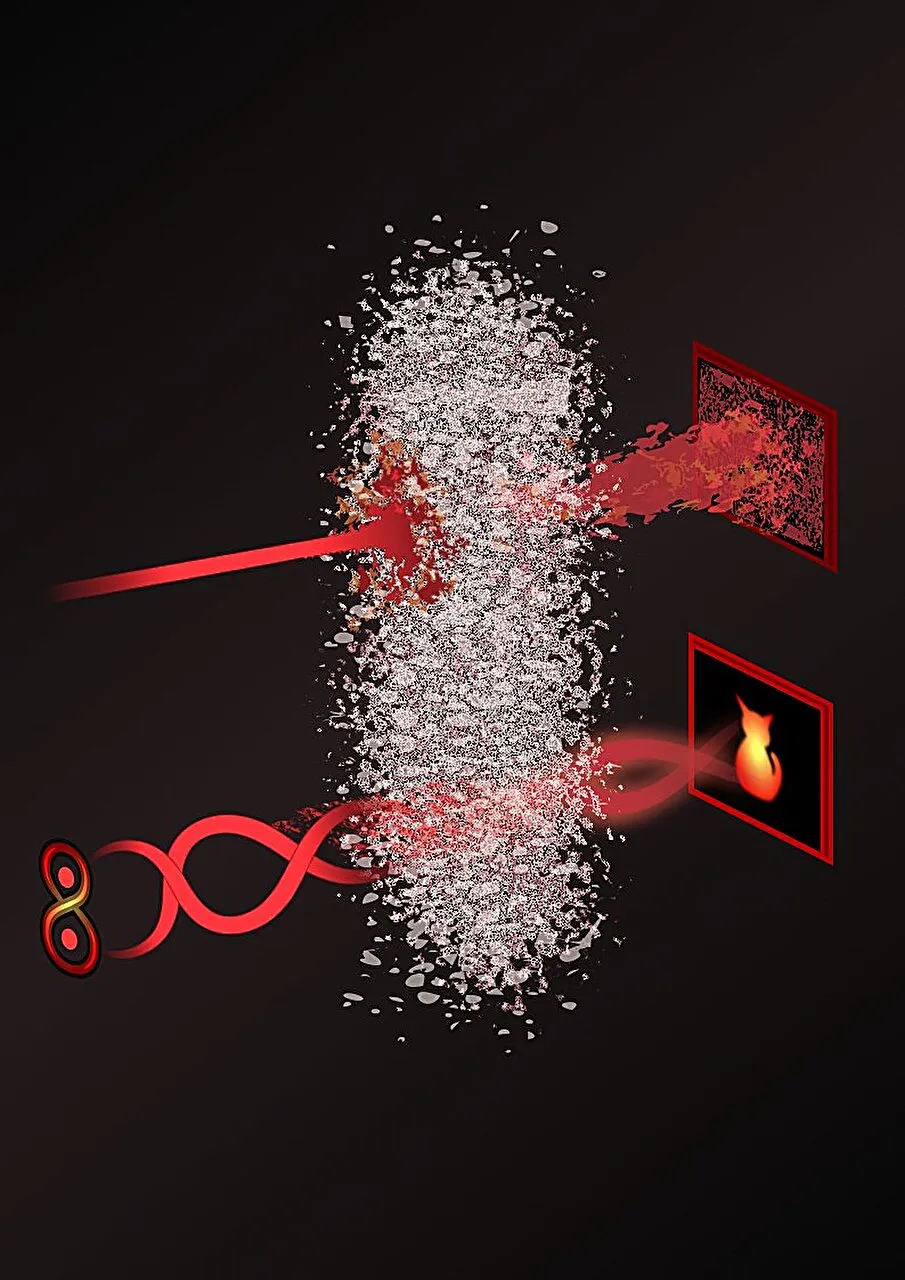
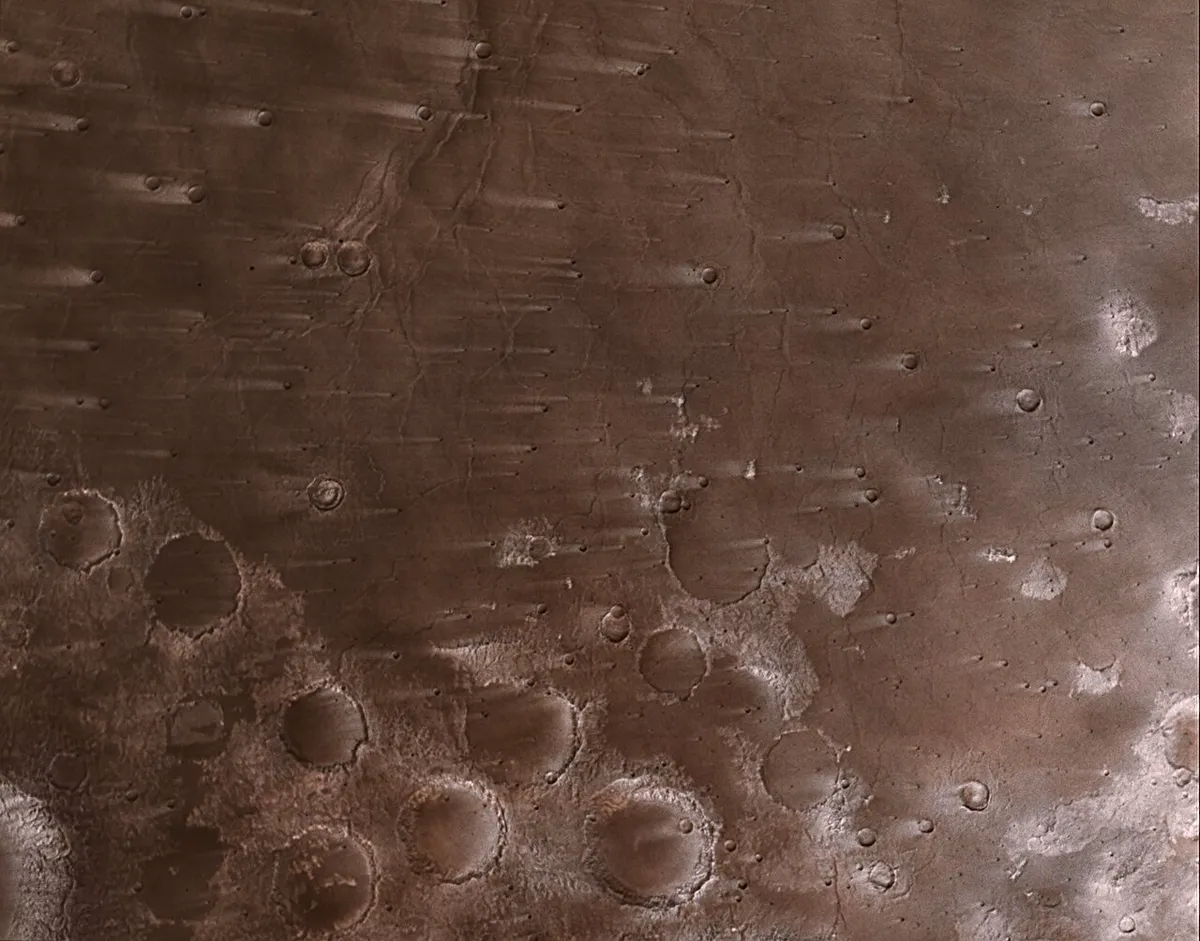
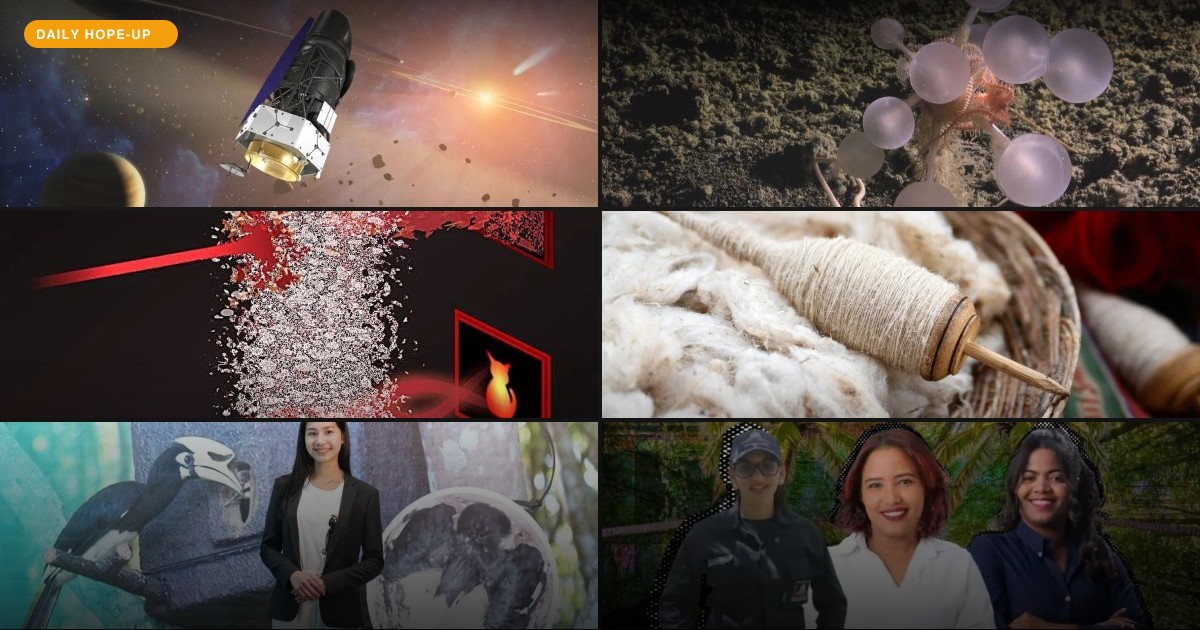
This week, humanity got a little better at peering into what was previously invisible. NASA's Roman Space Telescope is gearing up to hunt for hidden planets and dark energy, essentially offering us a new set of eyes on the cosmic stage. And as if the universe wasn't enough, scientists in Paris and Glasgow developed a quantum key to see through any mess, making previously opaque scattering mediums transparent for entangled photons. Think of it as X-ray vision, but for information, and very, very tiny.
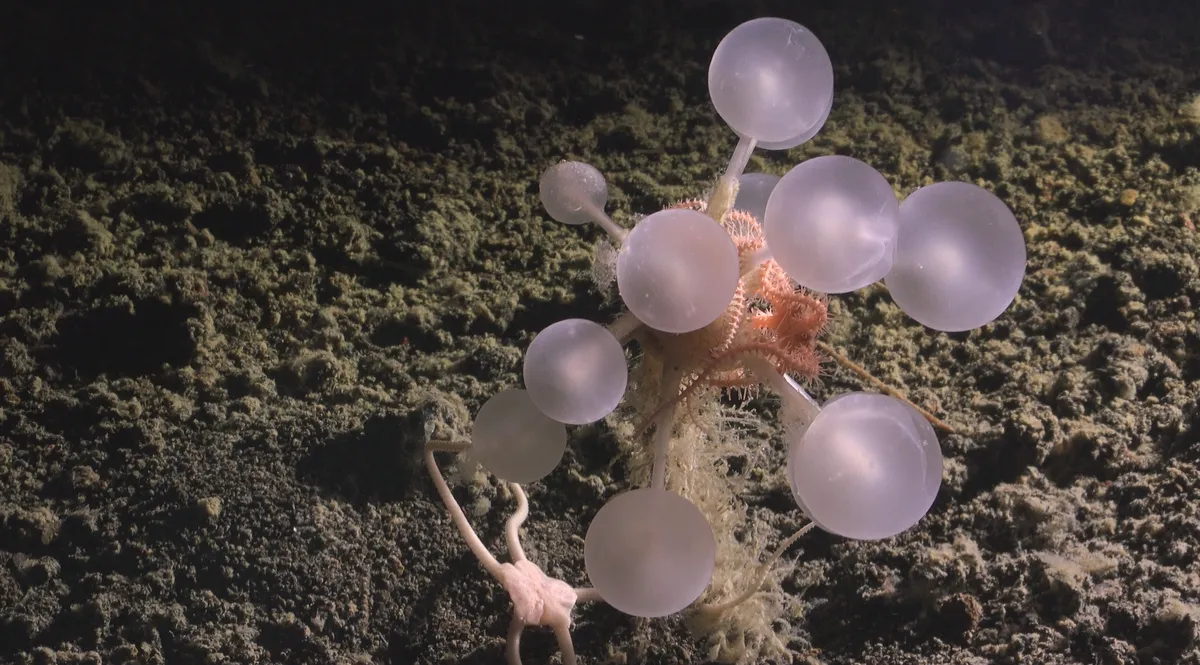
But you don't have to look light-years away or delve into quantum physics to find new things. The third year of a global Ocean Census revealed a staggering 1,121 potentially new-to-science marine species. Among them? A ghost shark, a carnivorous sponge, and a worm that lives inside a literal "glass castle." It seems the more we look, the more there is to find, from the vastness of space to the dark abyss of our own planet. If you've ever felt like the world's wonders were all discovered, this week proves we're just getting started.
We're a new kind of news feed.
Regular news is designed to drain you. We're a non-profit built to restore you. Every story we publish is scored for impact, progress, and hope.
Start Your News Detox"The third year of a global Ocean Census has revealed 1,121 potentially new-to-science marine species, including a worm that lives inside a “glass castle,” a ghost shark, and a carnivorous sponge." — Read the full story
Ingenuity for Coexistence
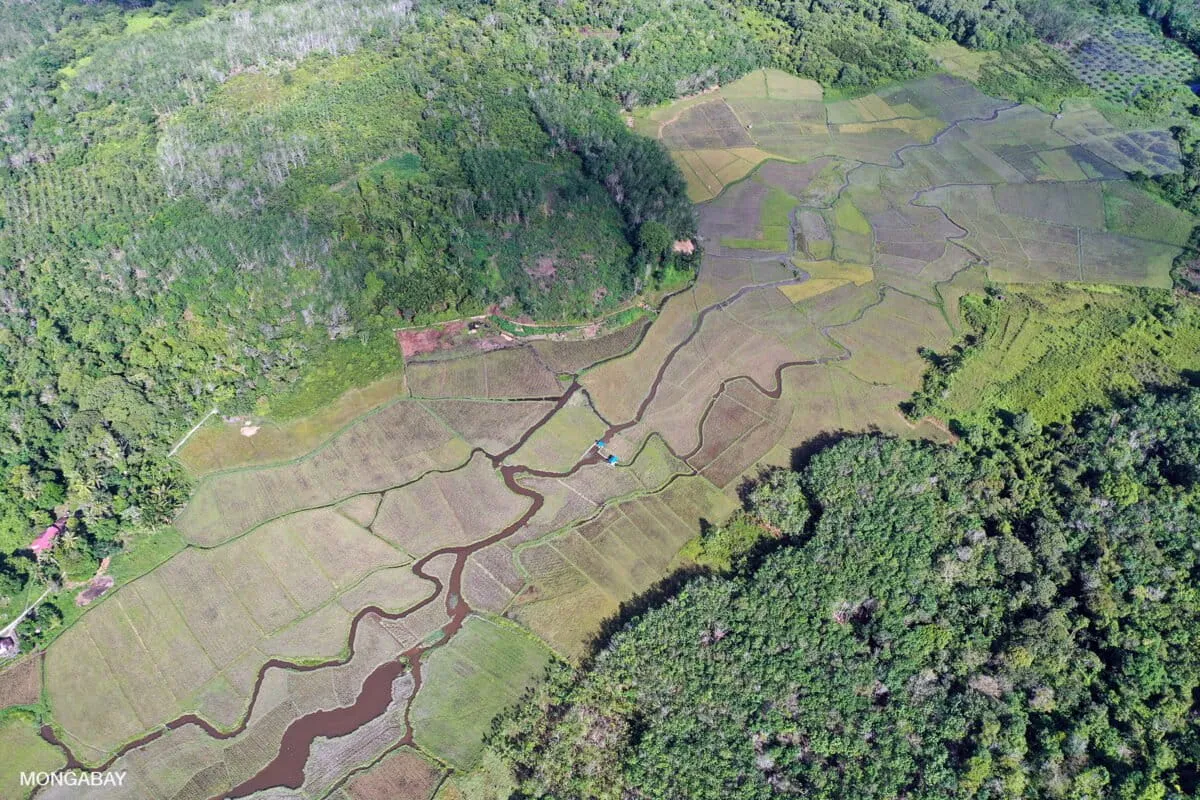
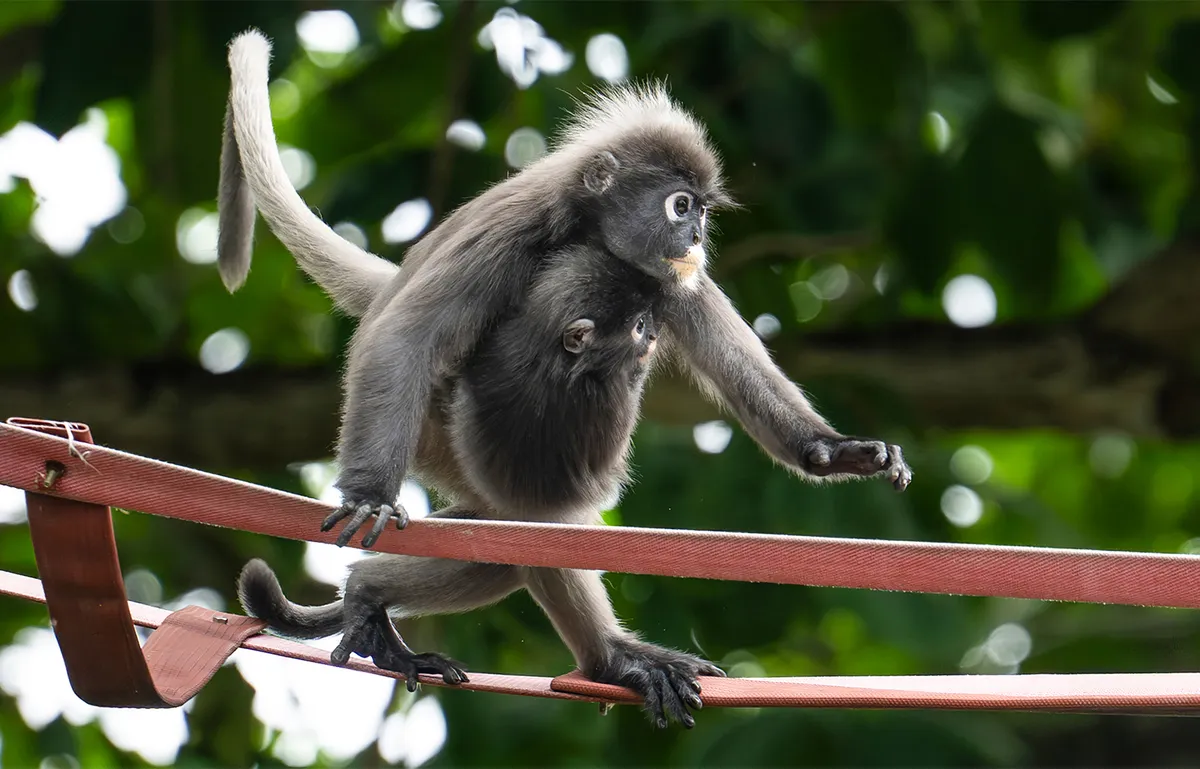
It's easy to assume humans and nature are always at odds, but this week offered several refreshing counter-narratives. In Malaysia, conservationists and residents built a canopy bridge to help endangered dusky langurs safely cross a busy road, a simple yet profound solution to urban development. Meanwhile, in Zambia, farmers like Esnart Banda, who once felt coexistence with elephants was "not possible," are finding common ground thanks to electric fences that protect crops without harming the animals. It's a pragmatic approach to a centuries-old conflict.
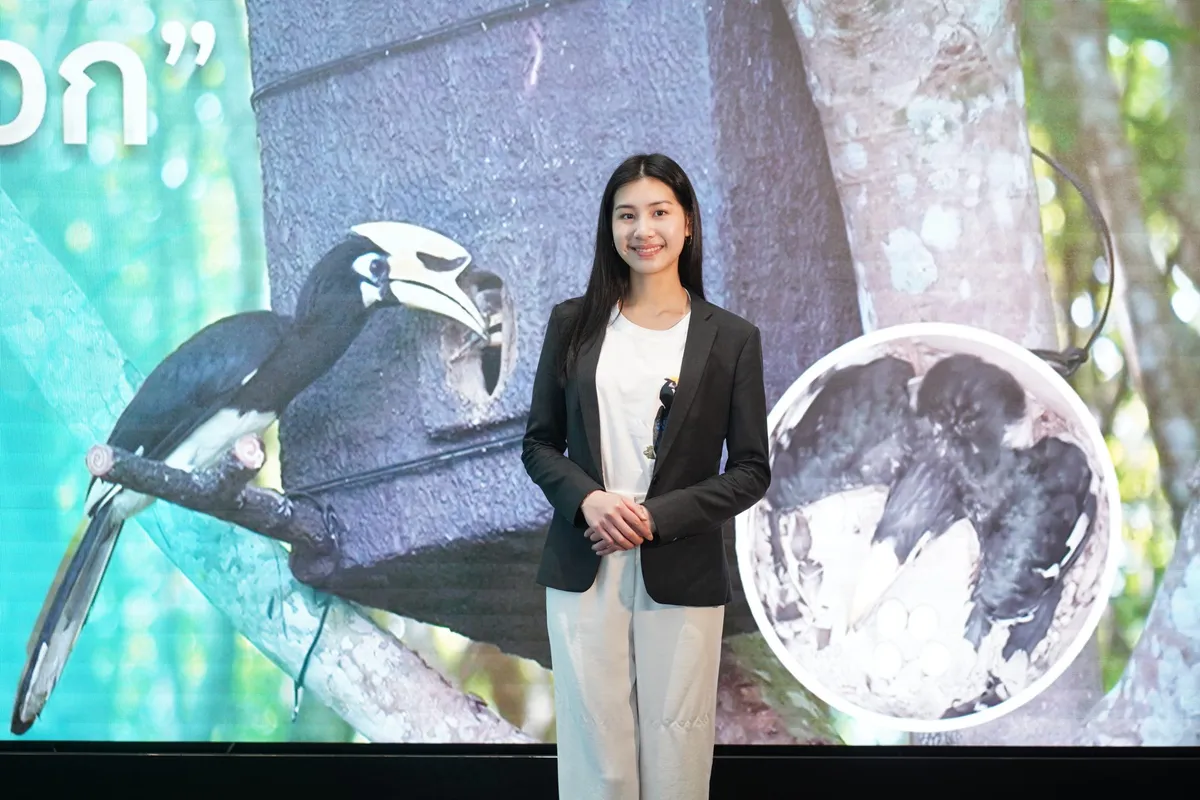
And it's not just about fences and bridges. A Thai student, as part of the Earth Prize 2026, created artificial nests from upcycled plastic bottles to protect endangered hornbills, blending innovation with community engagement. These aren't grand, top-down mandates; they're clever, local solutions that acknowledge shared spaces and shared futures. If you've been looking for evidence that humans can, in fact, get along with the rest of the planet, this week delivered a masterclass in collaboration.
"A Thai student created artificial nests from upcycled plastic bottles to protect endangered hornbills. Her project also includes a school conservation program and income alternatives for local communities." — Read the full story
The Unexpected Power of the Mundane
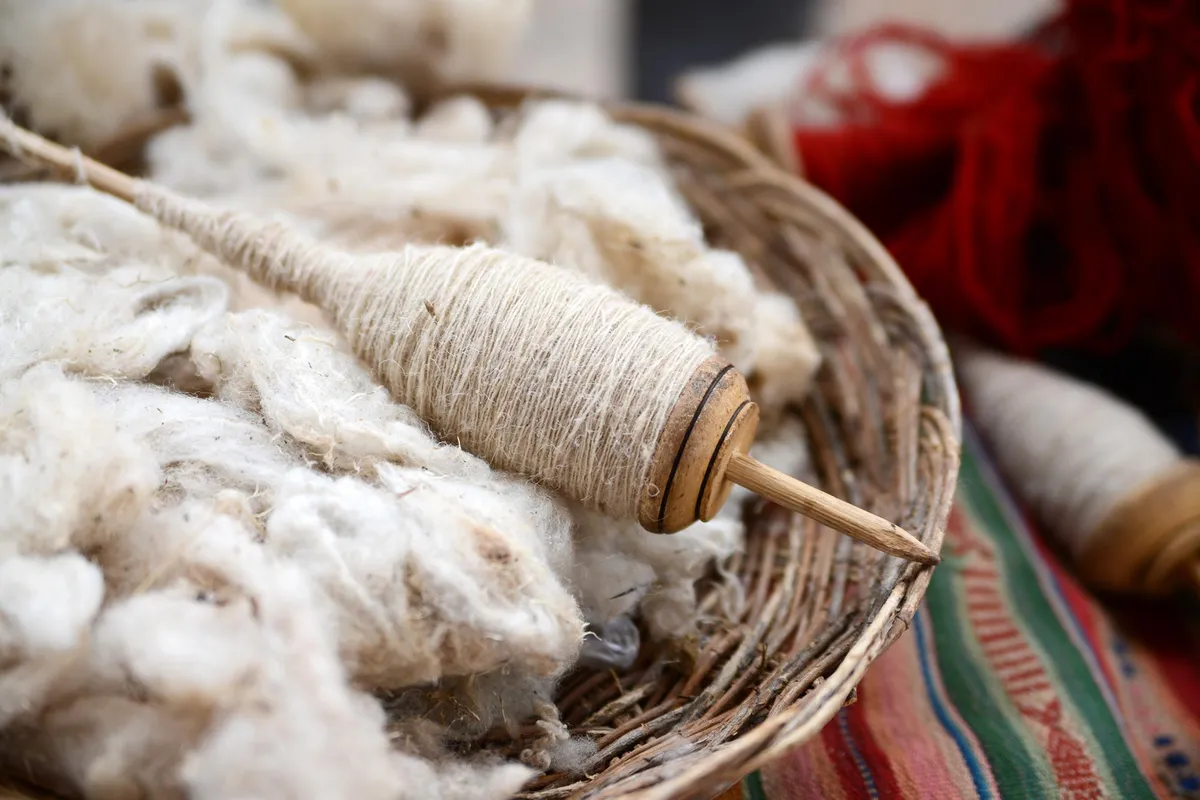
Sometimes, the answers we need are hidden in plain sight, or in materials we've long overlooked. Take wool, for instance. Researchers discovered that wool-derived keratin membranes can help regenerate bone tissue, potentially offering a natural alternative to collagen in regenerative medicine. Who knew your sweater could be a healing agent?
And for the world's rarest marsupial, the critically endangered Gilbert's potoroo, salvation isn't coming from high-tech gadgets, but from something far more, well, fundamental: poop. Scientists in Australia are using DNA from scat to track and save these elusive creatures, proving that even the most unglamorous data can be invaluable. These stories remind us that innovation isn't always about inventing something entirely new; sometimes it's about looking at what's already there with fresh eyes. If you thought you'd seen it all, remember that a material as common as wool could be the next medical breakthrough, and a tiny piece of scat could save a species.
Hope stat: 1,121 — new marine species discovered in just one year of the Ocean Census. Watch this space: The Roman Space Telescope's launch promises a new era in exoplanet and dark energy research.