For years, big corporations have looked at small farmers and seen, well, problems. They're seen as roadblocks to expansion, hurdles to public approval, and — in the world of deforestation-free supply chains — a giant, leafy risk.
This perspective isn't just a bit off; it's actively sabotaging our attempts to save forests. Because the truth is, the people who live closest to those trees often have the most invested in keeping them standing.

The Unlikely Forest Guardians
Aida Greenbury, a veteran of corporate sustainability, used to share that corporate view. She spent years in the high-stakes world of forestry, pulp, and paper in Indonesia, a sector not exactly known for its gentle touch on the environment. She even helped create the High Carbon Stock Approach (HCSA) over a decade ago — a science-based method to help companies avoid deforestation in tropical regions. It's a big deal, bringing together NGOs, corporations, and communities to set clear standards where before there was just a lot of hand-waving.
We're a new kind of news feed.
Regular news is designed to drain you. We're a non-profit built to restore you. Every story we publish is scored for impact, progress, and hope.
Start Your News DetoxBut after countless grueling conversations with local communities and a career spent trying to make massive companies play nice with nature, Greenbury had an epiphany: the smallholders weren't the weak link. They were, in fact, the linchpin.
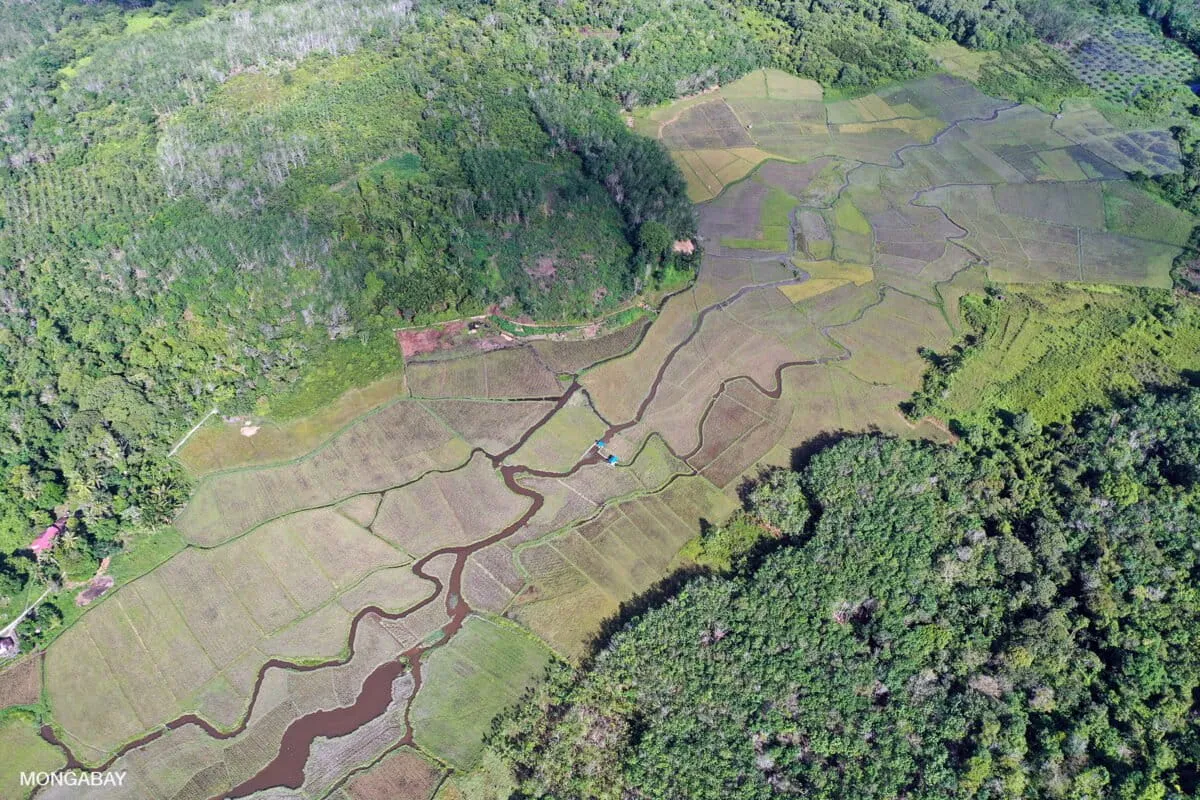
Think about it: who has a more immediate, personal stake in a healthy forest than someone whose livelihood, culture, and very existence are intertwined with it? It’s not some abstract environmental goal; it’s their backyard, their pharmacy, their pantry. And yet, we've largely ignored their wisdom, their needs, and their incredible potential as allies.
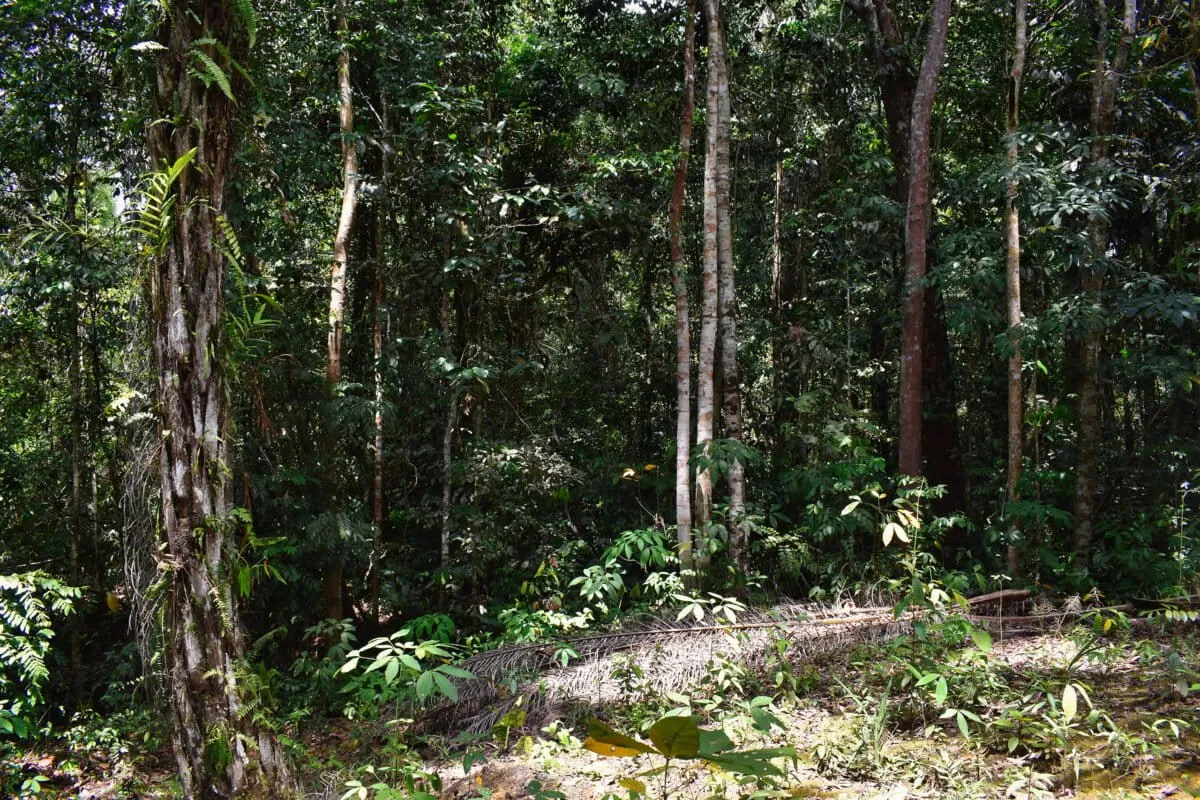
Instead of treating them as obstacles to be removed or risks to be managed, perhaps it's time to realize that the best defense for a forest might just be a small farmer with a deep, ancestral understanding of its value. Which, if you think about it, is a far more hopeful picture than the corporate boardroom version.