Turns out, the future isn't just bright; it's being designed by a bunch of ridiculously clever teenagers. We're back with the second round of Earth Prize 2026 winners, and these young minds are proving that environmental solutions don't have to be boring. Or, for that matter, adult-sized.
Hornbill Homes and Flip-Flops from the Ocean
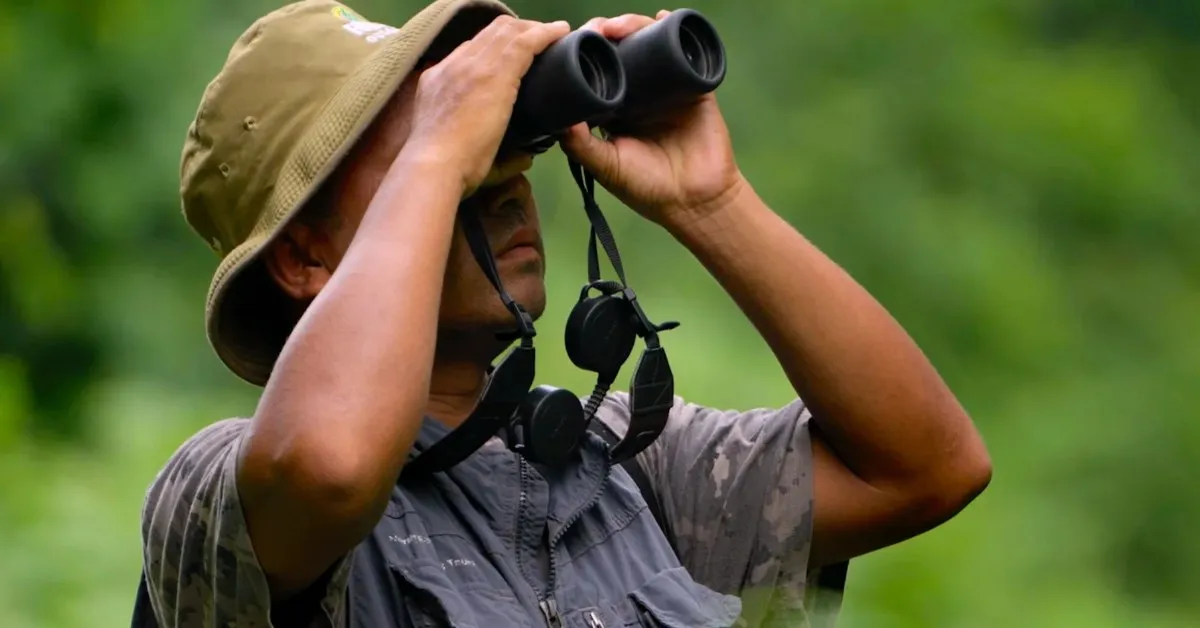
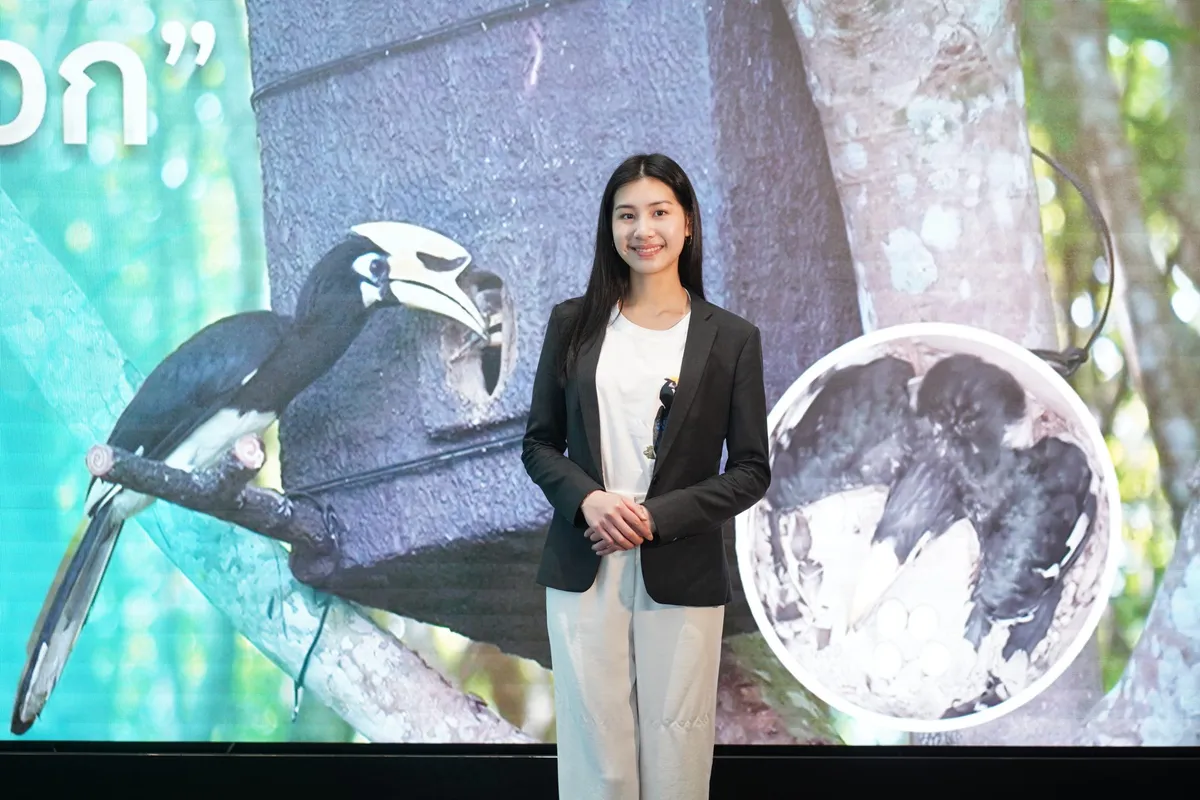
First up, meet Proud, a 17-year-old from Thailand who decided that watching hornbills during a school trip wasn't enough. She learned that 51 out of 62 hornbill species are disappearing thanks to deforestation and poaching. Which, if you think about it, is a problem: hornbills are basically the forest's personal gardeners, spreading seeds and keeping the ecosystem humming.
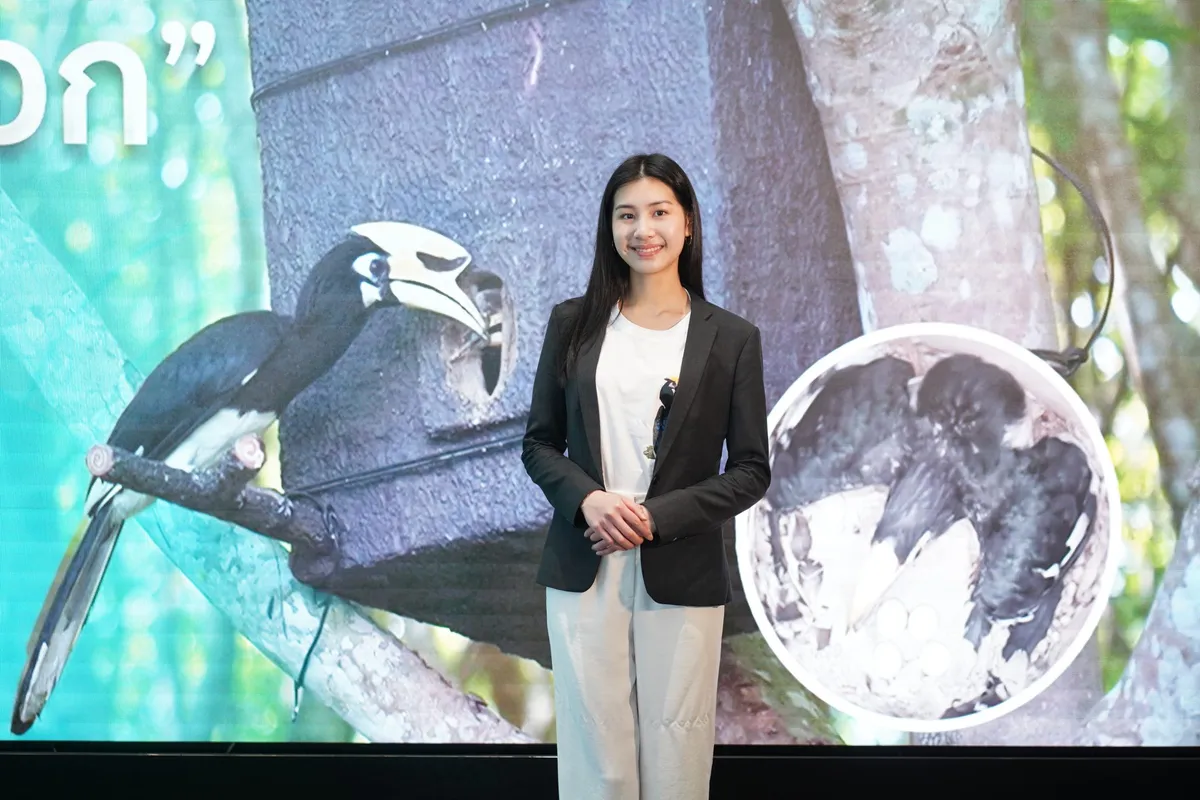
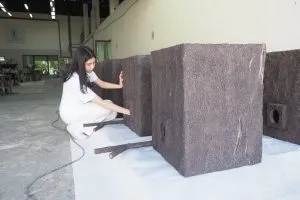
So, Proud launched Homes for Hornbills. Her plan? Artificial nests made from recycled plastic bottles, shaped precisely for discerning hornbill tastes. She's also teaching local kids about conservation and creating new ways for communities to earn money, so they don't have to resort to poaching. So far, 20 nests are up, and in 2025, 14 chicks successfully fledged. Let that satisfying number sink in. She even made a documentary about it for Thai PBS, because apparently, saving the world isn't enough; you also need to direct.
We're a new kind of news feed.
Regular news is designed to drain you. We're a non-profit built to restore you. Every story we publish is scored for impact, progress, and hope.
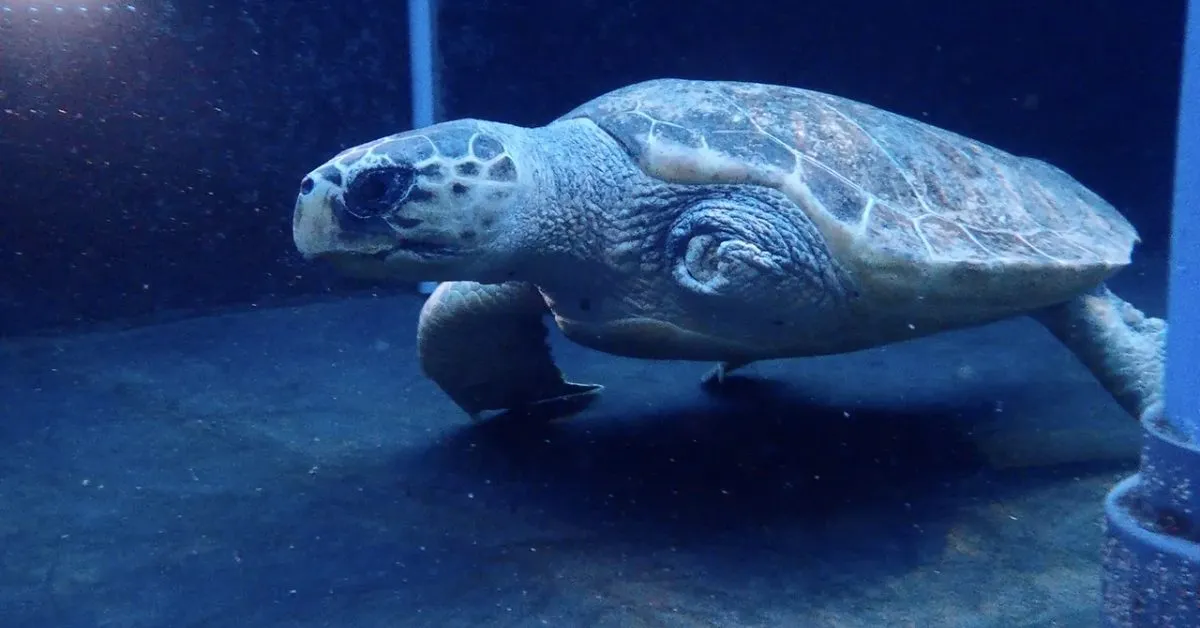
Start Your News DetoxMeanwhile, in Puerto Rico, 17-year-old Helena do Rego was watching sargassum seaweed pile up on beaches. We're talking 40 million metric tons in 2025 alone — a stinky, beach-blocking mountain of green goo. And with Puerto Rico's landfills already bursting with textile waste, Helena saw a different kind of opportunity.
Her project, SargaTex PR, turns that excess sargassum into a biofabric. The goal? Short-use items like flip-flops and spa products that actually break down in weeks, unlike their plastic counterparts. Her early prototypes, made with local cranberry juice and coffee grounds (because why not?), are already proving the concept. She's now planning to develop the fabric in university labs and partner with beach shops. Because if you can't beat the seaweed, wear it.
The Bandage That Actually Helps (and Disappears)
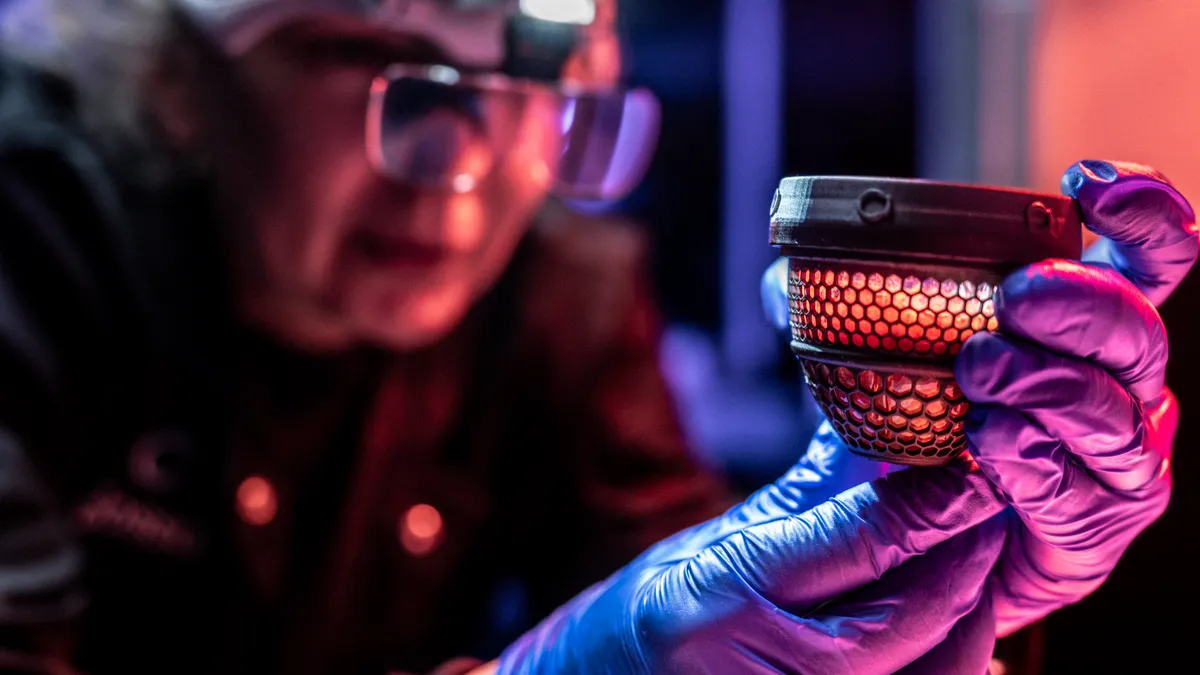
Finally, from Brazil, we have Bernardo Renner and Ísís Valentin, two volleyball players who, like anyone who's ever scraped a knee, wondered why bandages hadn't evolved since, well, forever. Most just cover a wound; they don't actually help it heal. And then there's the 2.2 billion plastic bandages tossed each year, leaving behind microplastic souvenirs.
Their answer is HADA: a biodegradable bandage made from aloe vera and chamomile. These aren't just pretty plant names; they're known for fighting bacteria, reducing swelling, and regenerating tissue. HADA not only promotes healing but also breaks down in soil within 48 hours. So, it fixes you up and then politely vanishes.
They've already got prototypes, four research papers under their belts, and a partnership with a major innovation hub. Now, with their prize money, they're aiming for regulatory approvals. Because even something as small as a bandage, used by millions daily, can either be part of the problem or part of the solution. And these two are definitely choosing the latter.
There are seven regional winners and one global winner, chosen by public vote (which closes May 29, just in case you feel like playing kingmaker). The Earth Prize, now in its fifth year, has already reached over 21,000 students in 169 countries, handing out half a million dollars in prize money. Which, frankly, is a pretty good return on investment for the planet.